
i have seen a lot of teams ship reward systems and honestly the ones that fail fastest are always the ones that studied what worked somewhere else 😂
they look at a successful mechanic.,they copy it.they ship it. and six weeks later their economy is inflating or their players are burned out or their bots are farming everything.and nobody can figure out why because the mechanic worked perfectly in the game they copied it from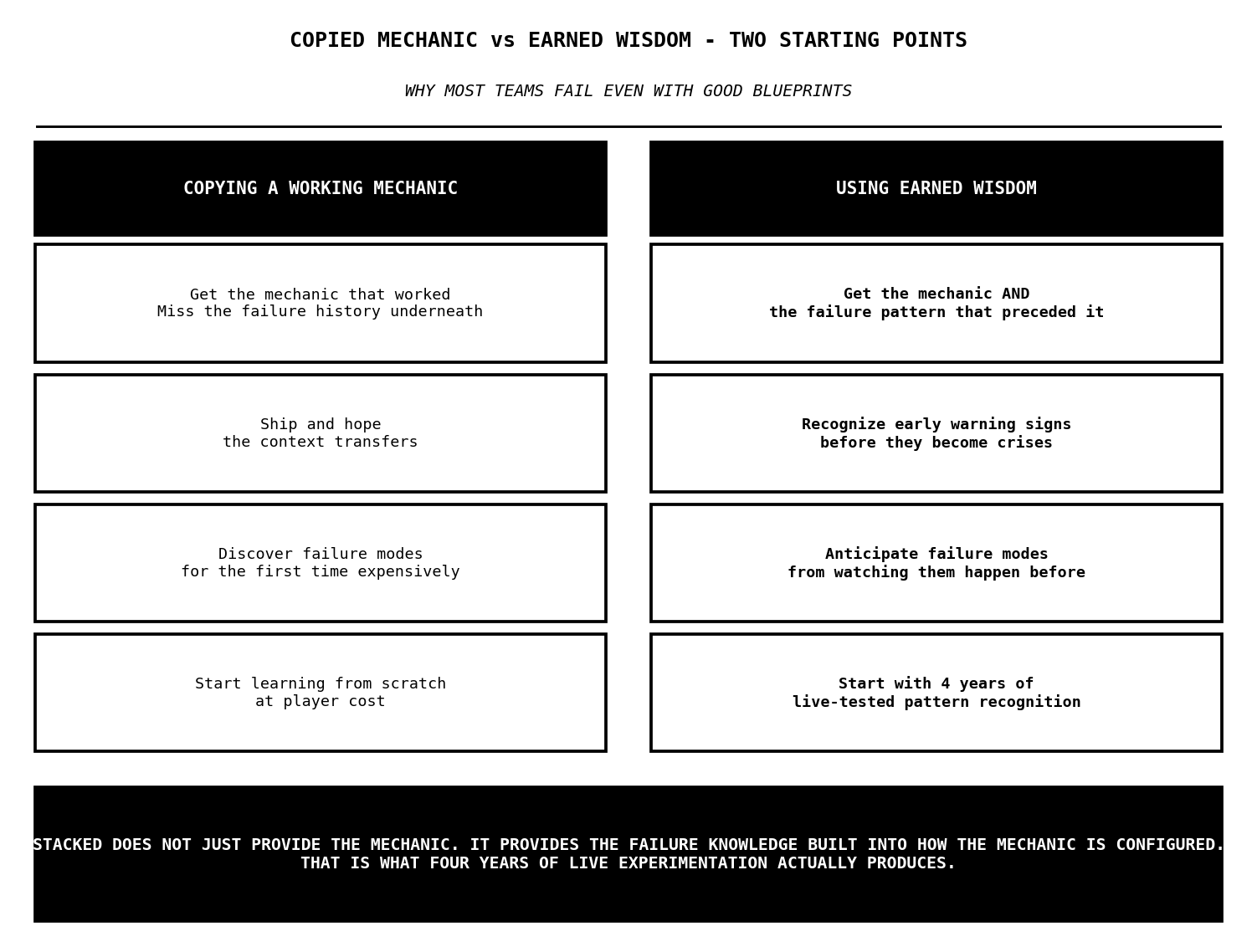
what they missed was not the mechanic.it was the failure history underneath it
the Pixels team has four years of that failure history. live.inside a real game with real players and real economic pressure.they....
did not read about what P2E economies do when inflation sets in. they watched it happen in real time to their own game. they did not theorize about bot behavior under different reward structures. they saw the bots arrive and had to respond fast enough to save the economy,,
that accumulated failure knowledge is what the talking points call real reward design wisdom.and i want to try to explain why that phrase is more specific than it sounds
reward design wisdom is not knowing what reward structures work. most game economists cann tell you what should work.it is knowing the exact sequence of events that happens when a reward structure starts to break -and being able to recognize that sequence early enough to intervene before it becomes a crisis
here is what that looks like in practice
a reward that feels earned today can feel expected tomorrow and feel insulting next week. the psychological shift from earned to expected happens gradually and then suddenly.players do not announce it. they just quietly stop responding the way they used to.engagement metrics start to soften before anyone can name the cause
a team without that failure history sees softening engagement and reaches for more rewards. that is the wrong response almost every time.more rewards accelerate the expctation problem.the team that has been through the cycle before recognizes the pattern early and adjusts the reward type before adding more volume
And then there is the inflation timing problem. inflationary pressure in a token economy builds slowly and compounds fast. the two percent daily inflation rate that destroyed Beryy did not feel dangrous at first. it felt manageable. by the time it felt dangerous the damage was already compounding.
knowing when something that looks manageable is actually accelerating toward a crisis - that judgment cannot be written into documentation.,it lives in the people who watched the curve and recognized the shape of what was coming
Stacked carries four years of those pattern recognitions.not as features.as embedded judgment in the people who built it and the systems they designed around what they learned. studios integrating Stacked today are not just getting software.they are getting access to a model of how reward economies break- and how to stop them before they do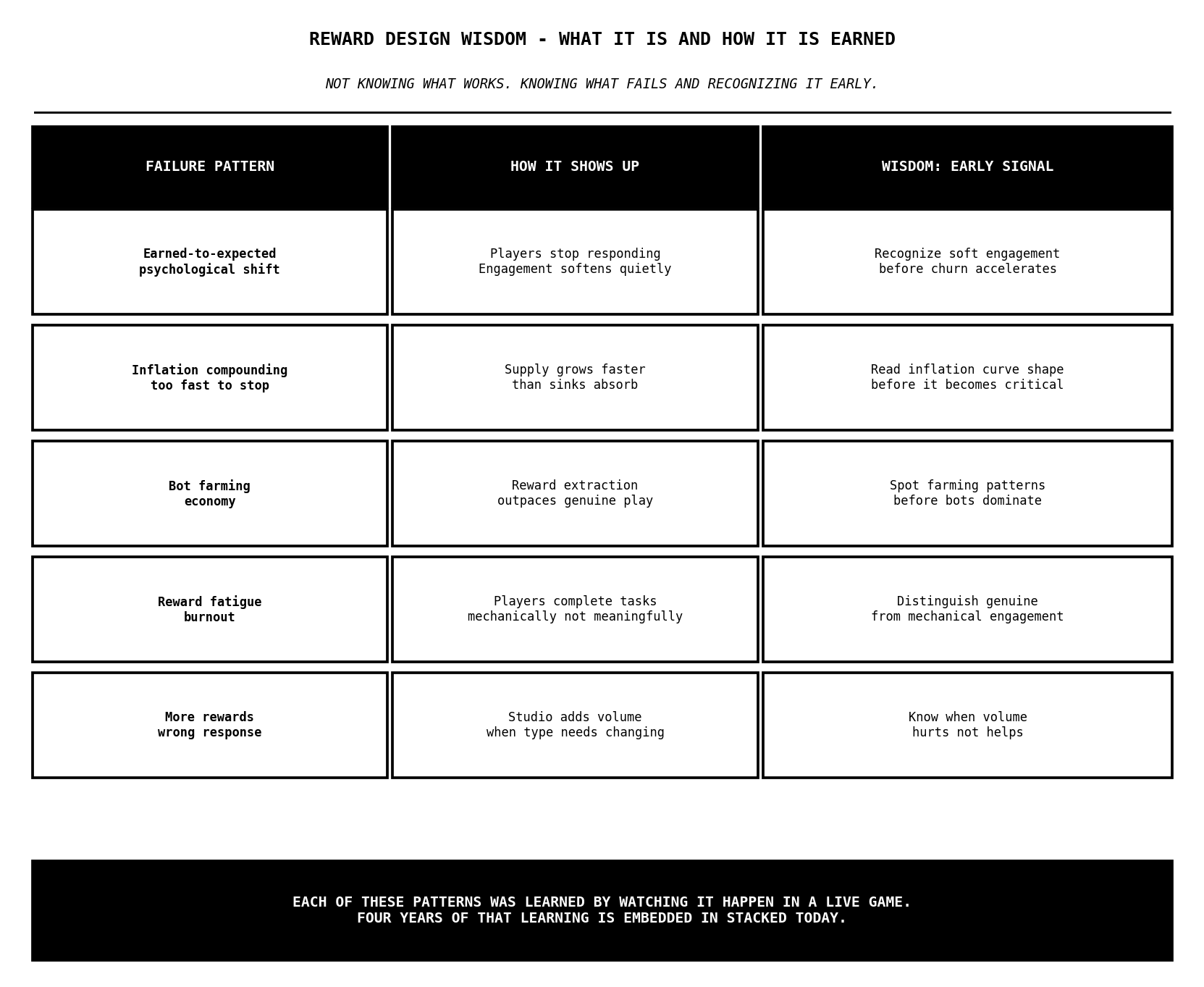
honestly dont know if four years of live experimentation inside one ecosystem translates cleanly into the reward design wisdom needed to manage twenty different studios with twenty different player bases or if some of those lessons are more specific to Pixels than they appear?? 🤔
