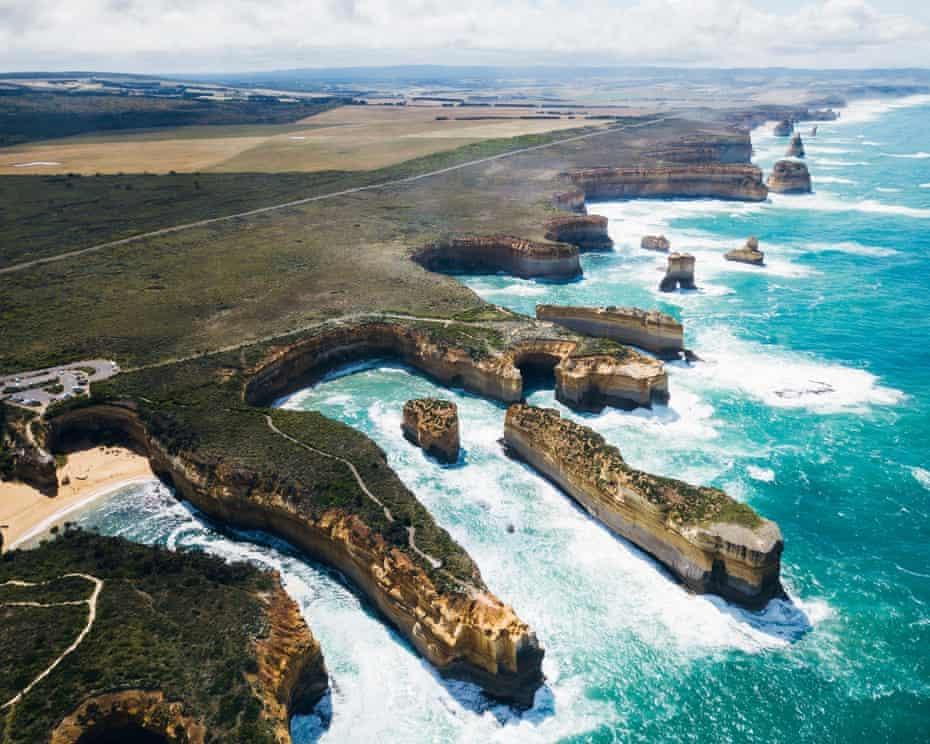
New scientific research has uncovered that the iconic Twelve Apostles along the Great Ocean Road are far older than previously understood, dating between 8.6 and 14 million years. This breakthrough offers deeper insight into the geological evolution of one of Australia’s most visited natural landmarks.
Researchers analyzed microscopic fossils known as foraminifera embedded within limestone layers to determine the precise age of the formations. These findings reveal that the rock structures originated during the mid-Miocene period, a time marked by significant environmental change and global cooling that eventually led to the Ice Ages.
Geologists explain that tectonic plate movements over millions of years played a key role in shaping the region. These movements lifted and tilted layers of limestone and marl, leaving visible fault lines that serve as evidence of ancient earthquakes. Today’s towering sea stacks, however, are relatively young in geological terms, formed only within the last few thousand years through coastal erosion.
The study highlights how natural landmarks are not static features but evolving records of Earth’s history. While millions of visitors admire the scenic beauty of the Twelve Apostles each year, the formations also represent a complex timeline of shifting oceans, climate transitions, and geological forces.
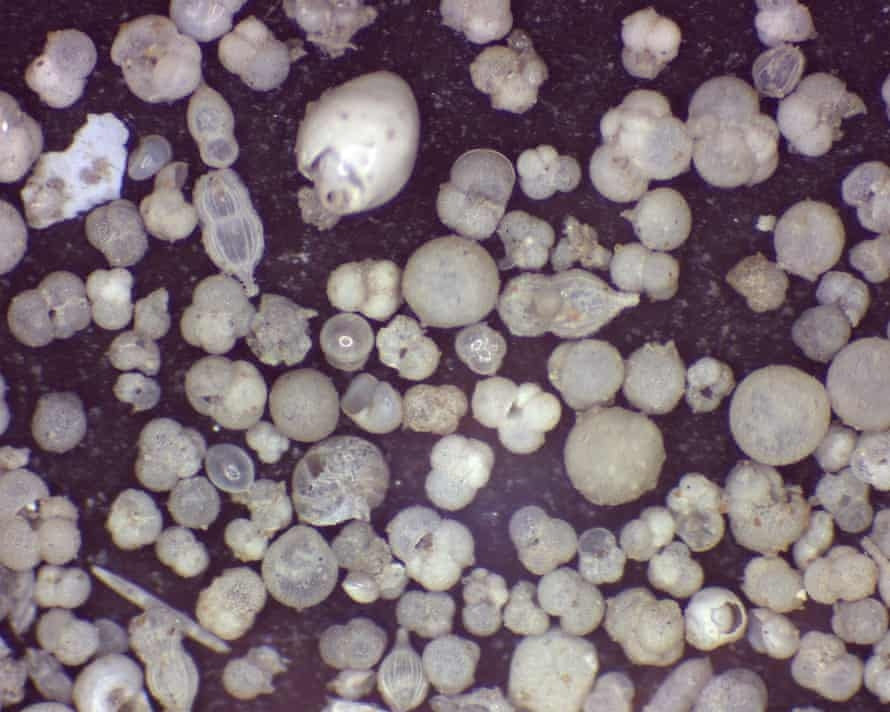
Scientists emphasize that understanding the age and formation of such structures is critical for reconstructing past environmental conditions and improving knowledge of Earth’s long-term climate patterns. The findings also reinforce how even well-known landmarks can still hold new scientific discoveries.
Ultimately, the Twelve Apostles stand not only as a major турист attraction but as a powerful reminder of the planet’s dynamic and ever-changing nature, preserving millions of years of history within their layered cliffs.
#Geology #Australia #ClimateHistory #NaturalWonders #EarthScience