
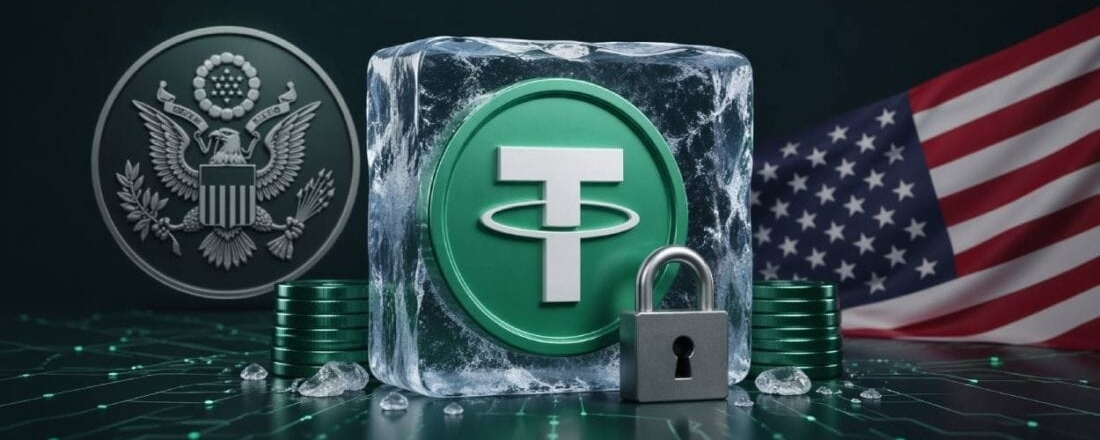
$344M USDT frozen across two wallets on April 23
Coordinated with OFAC and U.S. law enforcement
Over $4.4B frozen historically across 2,300+ cases
Tether just froze $344 million in USDT tied to illicit activity, reinforcing its control over stablecoin flows, but does this strengthen trust or raise concerns about centralization?
This isn’t your typical story of money zipping around on the blockchain. It proves stablecoins like USDT aren’t just digital cash you can send anywhere, there’s actually a level of control behind the scenes. If something gets flagged, those coins can be locked instantly.
Tether didn’t act alone. They teamed up with U.S. authorities and targeted wallets tied to sanctions evasion and criminal networks. The company froze those funds before anyone could shuffle them elsewhere. It’s wild how quickly these interventions can happen on a public blockchain now. The whole episode really changes how you think about decentralized money.
Why Tether Freeze Matters for Crypto
It all comes down to control, not just crypto. Stablecoins are the real power players here, they’re the hub where liquidity flows, and the ones pulling their strings steer how money travels. The process is pretty straightforward, regulators crack down, liquidity dries up.
Everyone scrambles to follow the rules, trust in the market shifts, and suddenly, people use stablecoins differently. At its core, this is really a battle between control and decentralization.
Market Impact of Tether Freeze
Bitcoin reacts in its own way. As long as people trust stablecoins, BTC doesn’t move much. But when doubts creep in, money gets tighter and price swings pick up. Ethereum is more affected because it’s widely used in DeFi. Since USDT is used across many platforms, any freeze can disrupt lending, trading, and most on chain activities.
Altcoins catch the impact through lower liquidity. If stablecoins stop flowing, less capital moves around. That means weaker rotation and not much action on smaller coins. Without liquidity, there’s no momentum. Simple as that.
What to Watch Next After Tether Freeze
Keep an eye on how many more wallets end up getting flagged. If enforcement keeps ramping up, that’s a sign the whole system’s being watched more closely. Watch what regulators do, too. If they start working together more, you’ll probably see tougher rules and bigger frameworks for stablecoins.
And don’t ignore stablecoin flows. If people start moving away from USDT, that’s a clear sign trust is dropping. If usage holds steady, then the system’s handling the pressure just fine.
Insights for Traders on Tether Freeze
Stablecoins aren’t as neutral as people think. Because they’re programmable and controllable, there’s a lot of power packed in, but there’s also some real risk. If regulators clamp down, we might see markets calm down a bit, but freedom takes a hit.
On the flip side, if people push back, we could see new systems start to catch on. The tug of war between control and decentralization is getting harder to ignore.
#AaveAnnouncesDeFiUnitedReliefFund trade here 👇 👇 👇

