
Most Web3 games I’ve tried feel like empty towns with shiny storefronts. You log in, grind a token loop, maybe flip an NFT, then leave because nothing you did really follows you anywhere else. That’s been the quiet friction underneath the whole space. Progress is isolated. Identity resets. Effort doesn’t compound.
That’s why when I looked at @Pixels as a multi-game platform, what struck me wasn’t the farming loop people talk about. It was the idea that your account actually means something across experiences. Not just a wallet holding assets, but a record of what you’ve done, where you’ve been, and how you’ve behaved.
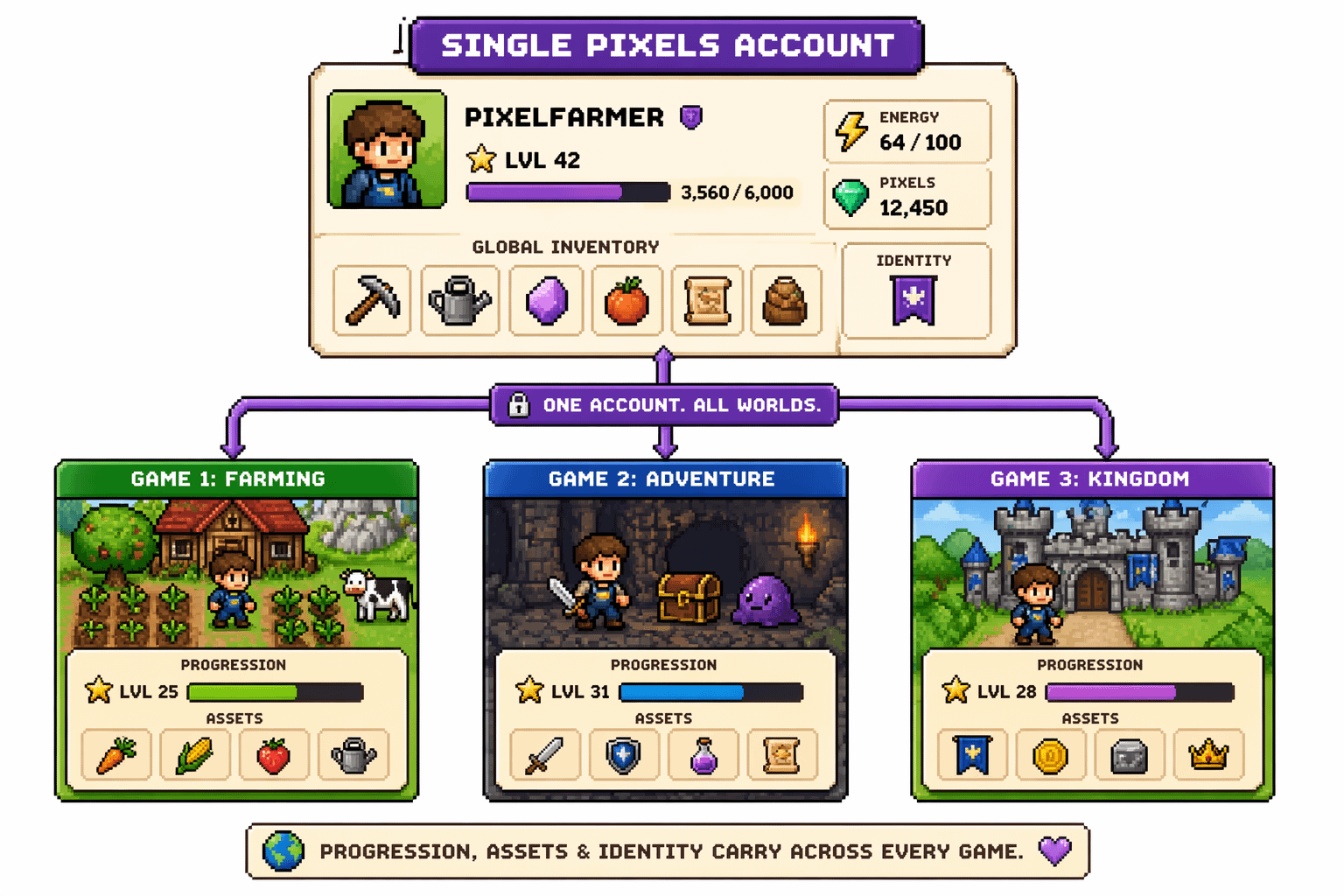
Most Web3 games today still operate like separate islands. Even the bigger ecosystems with multiple titles rarely share meaningful state. You might reuse an NFT skin or token, but your progress doesn’t travel. Pixels is trying to change that by anchoring everything to a single account progression layer. On the surface, that looks simple. One login, multiple games. Underneath, it’s a shared data system tracking achievements, reputation, and behavior across environments.
They already have over 1 million registered users, but the more telling number is daily active players hovering in the tens of thousands. That gap reveals something important. A lot of people try Web3 games, but very few stay. Retention is the real problem. So instead of chasing new users, Pixels is quietly building reasons to stay.
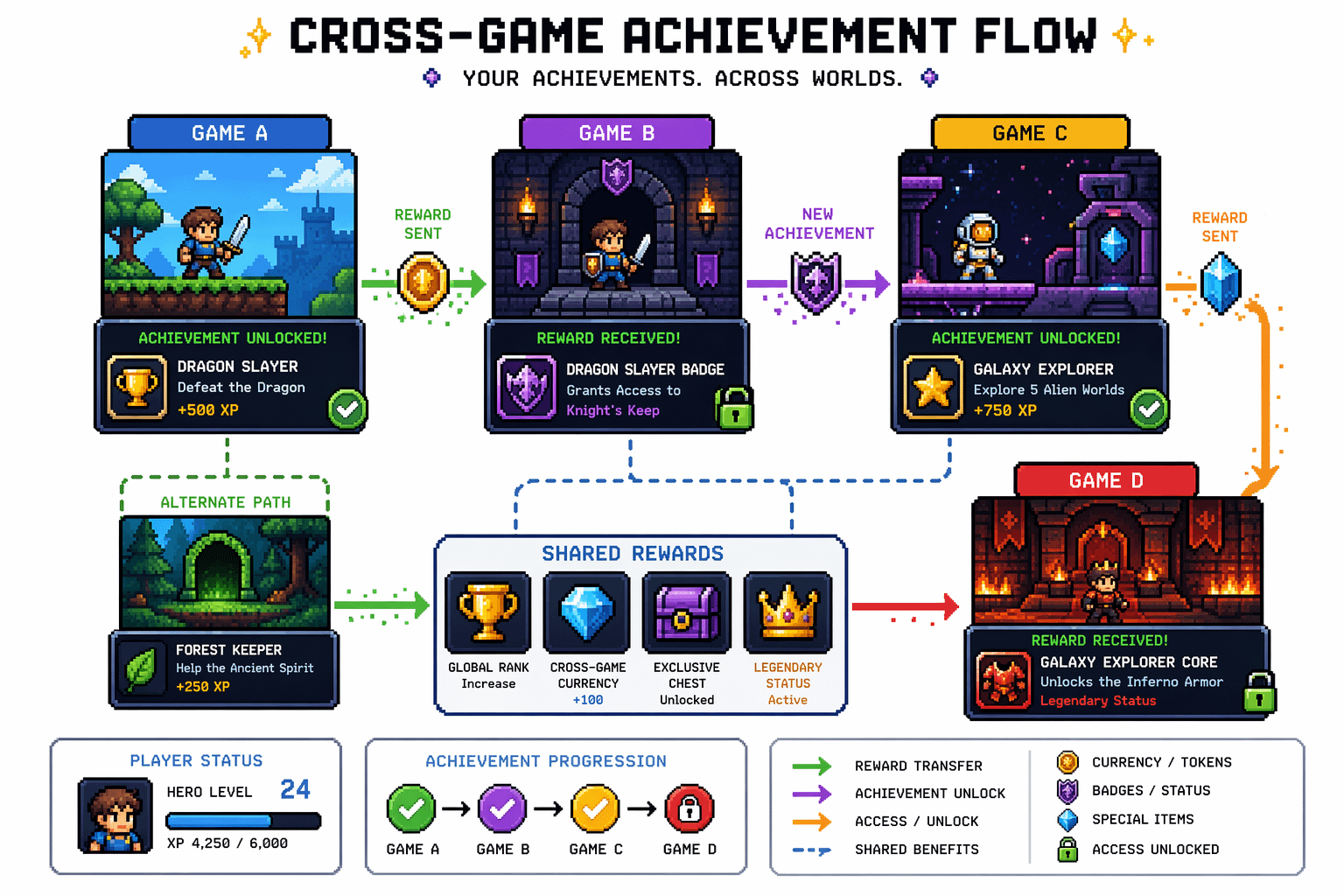
Cross-game achievements are one of those reasons. If you complete a task in one game, it can unlock something in another. That sounds cosmetic at first, but it creates a sense of continuity. You’re not starting over each time. You’re extending a story. Meanwhile, that momentum creates another effect. Developers can design games that assume prior player history. That means deeper mechanics without overwhelming new users, because progression carries context.
Then there’s reputation. Most platforms ignore this layer or treat it as social fluff. Pixels is treating it like infrastructure. Your actions build a score that affects how you’re perceived across games. On the surface, it’s a trust signal. Underneath, it’s a filtering mechanism. It can shape matchmaking, access to features, even economic opportunities inside the ecosystem.
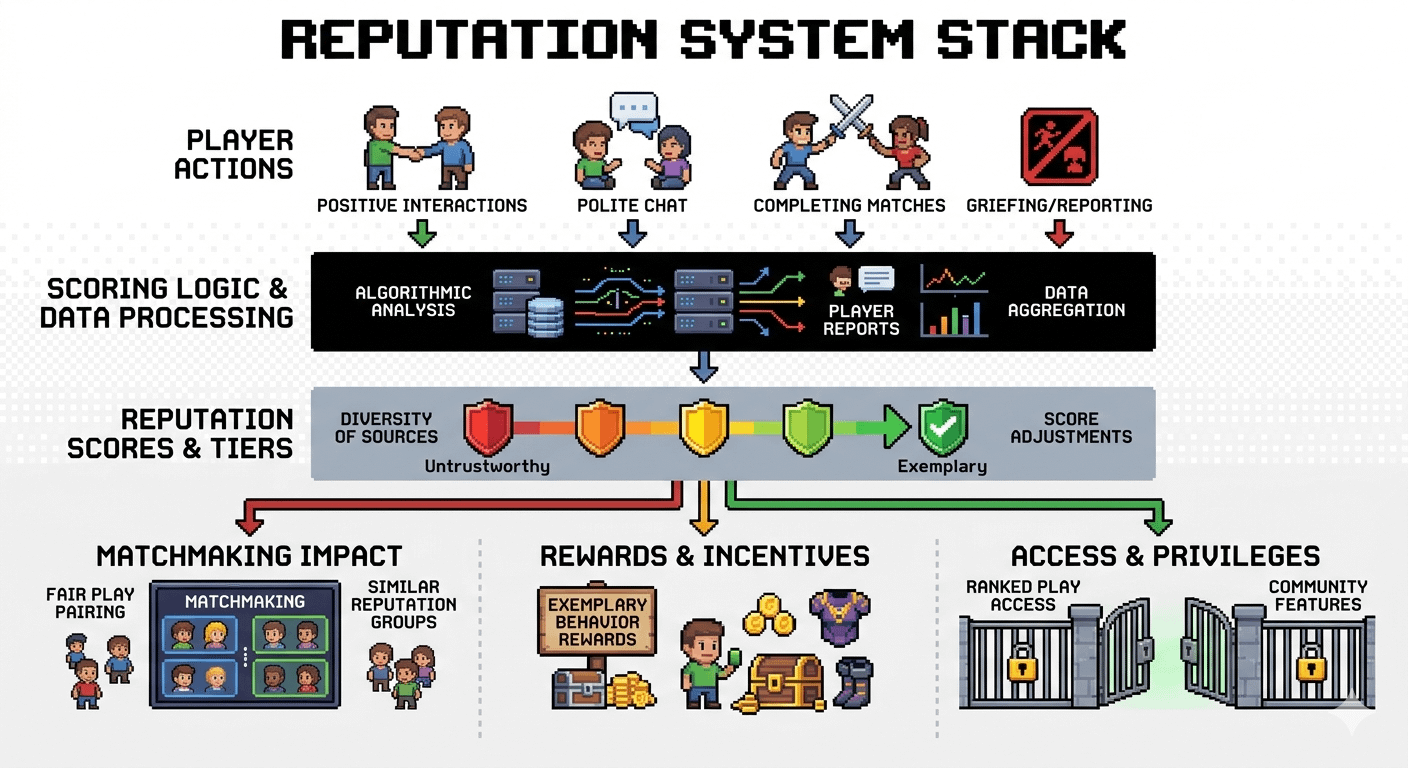
That’s where things get interesting and risky at the same time. A persistent reputation system can discourage bad behavior, but it can also lock players into past mistakes. If your reputation drops early, does it follow you forever? Or can it be rebuilt? That balance will matter more than any token mechanic.
Speaking of tokens, Pixels runs on the Ronin network, which recently saw a resurgence after its earlier struggles. Ronin now processes millions of transactions weekly, and Pixels accounts for a noticeable share of that activity. But instead of pushing constant token incentives, they’re leaning into gameplay loops first. That’s a subtle shift. It suggests they’re trying to build a system where the economy supports the experience, not the other way around.
Understanding that helps explain why interoperability here feels different. It’s not just about moving assets between games. It’s about moving identity. Your progress, achievements, and reputation become portable layers that developers can plug into. That lowers the cost of building new games because they don’t start from zero. It also raises the stakes. If one game breaks the system or exploits it, the effects ripple outward.
Meanwhile, the broader market is starting to circle back to this idea. With user acquisition costs rising and attention getting harder to hold, isolated games are struggling. Platforms that can retain players across multiple experiences have a structural advantage. Early signs suggest Pixels is leaning into that pattern rather than chasing short-term hype.
If this holds, we might be looking at a shift where games aren’t standalone products anymore. They’re nodes in a larger network of progression. The value isn’t just what you earn in one place, but how that effort carries forward and that’s the part that sticks with me. In a space obsessed with ownership, Pixels is quietly focusing on continuity.
