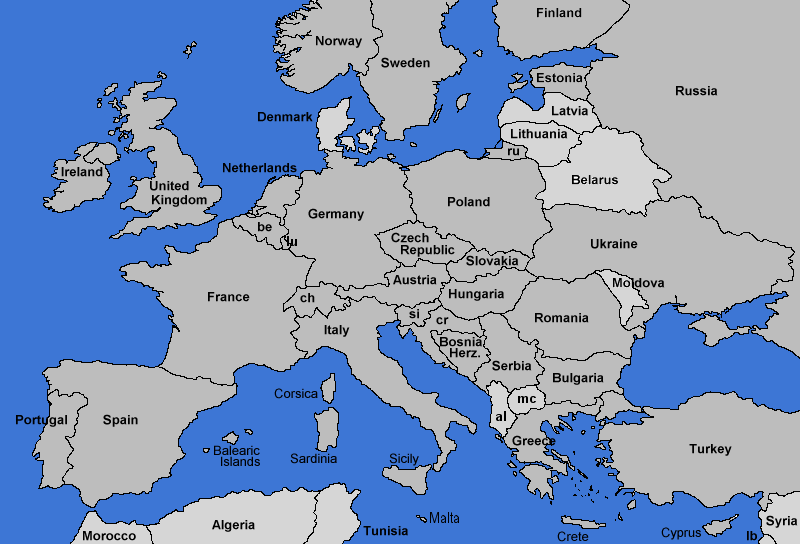
Recent geopolitical tensions around the Strait of Hormuz have contributed to rising oil prices across global markets, with Europe being significantly affected. As one of the world’s most important energy chokepoints, any threat or disruption in this region raises immediate concerns about global oil supply.
Europe relies heavily on imported energy, making it highly sensitive to fluctuations in oil availability. When risks increase in the Strait of Hormuz, markets react quickly by pushing prices higher due to fears of supply disruption. Even without actual shortages, speculation alone can drive prices upward.
Additionally, increased shipping risks lead to higher transportation and insurance costs for oil tankers. These added costs are often passed on to consumers, resulting in higher fuel and energy prices across European countries.
Rising oil prices also contribute to inflation, increasing the cost of goods and services. This puts pressure on both households and businesses, potentially slowing economic growth.
In conclusion, tensions in the Strait of Hormuz continue to influence global oil markets, and Europe remains vulnerable to these changes. As long as uncertainty persists, oil prices are likely to stay elevated and volatile.