
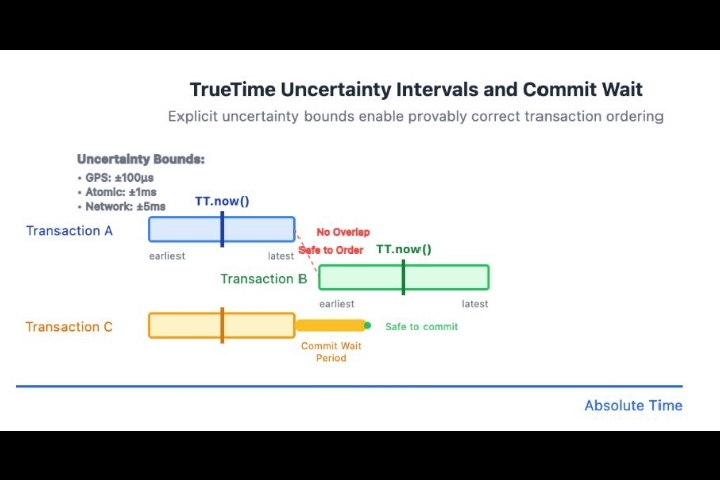
Most people have experienced placing an online order or trade where the payment shows “processing” or “confirmed,” but the system updates later. During that short delay, prices may change, inventory may disappear, or orders may fail even though the action was technically completed.
This small timing gap is usually ignored when humans are involved because we can manually retry or adjust decisions. But in automated digital economies, that same delay can trigger cascading errors.
AI trading systems, automated marketplaces, and liquidity bots depend on synchronized confirmation timing.
When execution order becomes inconsistent, automated systems start reacting to outdated information, which can distort pricing, liquidity flow, and market stability.
Why Automation Changes Blockchain Infrastructure Requirements
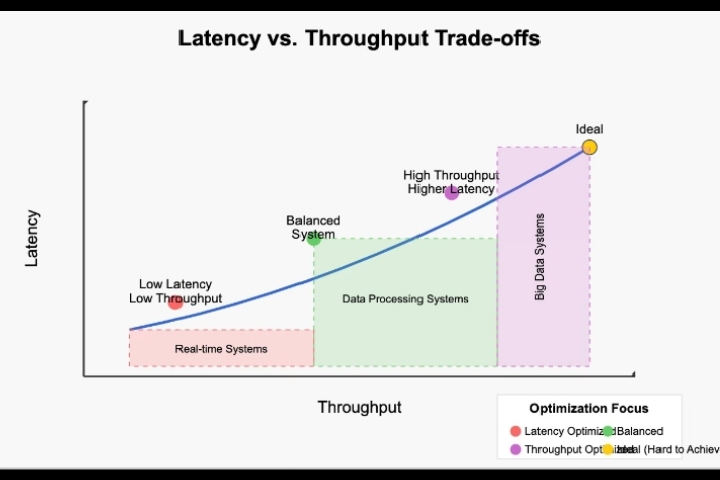
This reveals a structural limitation in most blockchain infrastructure today.
Many networks optimize for transaction throughput and speed benchmarks, but automation introduces a different requirement: coordination reliability.
When thousands of automated agents interact simultaneously, the reliability of execution order becomes more important than raw confirmation speed.
Fogo’s Approach this as Synchronized Execution Environments
From my analysis, $FOGO appears to be exploring infrastructure designed around synchronized execution environments. Rather than competing it purely on throughput metrics, Fogo seems that it focused on creating predictable confirmation cadence and consistent transaction sequencing.
For automated economic systems, timing consistency determines whether algorithms behave rationally or generate unintended feedback loops.
The Growing Need for Deterministic Interaction Layers
The Automation infrastructure which is requires as deterministic interaction layers. AI pricing engines that rely on synchronized market state.
Liquidity algorithms requires the predictable execution ordering to avoid imbalance between the supply and demand. Automated trading frameworks depend on confirmation stability to prevent reacting to stale data signals.
Without coordination reliability, automated economic environments become structurally fragile even if transaction speeds remain high.
Automation Expanding Beyond Trading Systems
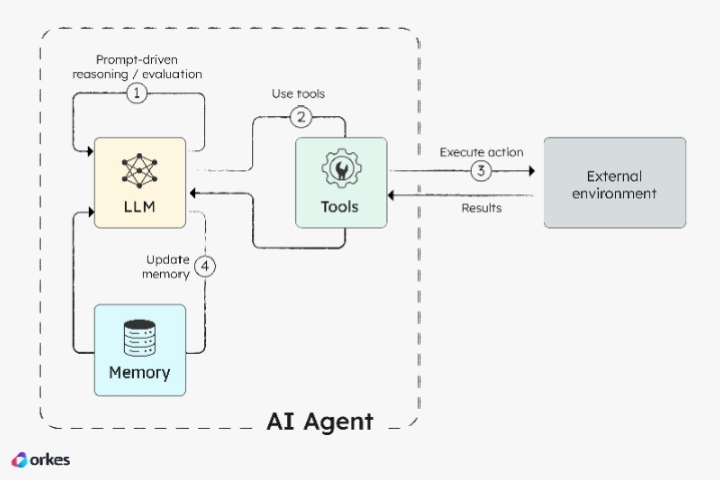
What makes this design direction significant is that automation expands beyond trading.
Autonomous treasury management, algorithmic settlement layers, machine-driven payment routing, and digital asset marketplaces are increasingly operating continuously without human supervision.
These systems require infrastructure capable of maintaining synchronized execution states across large volumes of automated participants.
Reducing Coordination Conflicts Between Automated Agents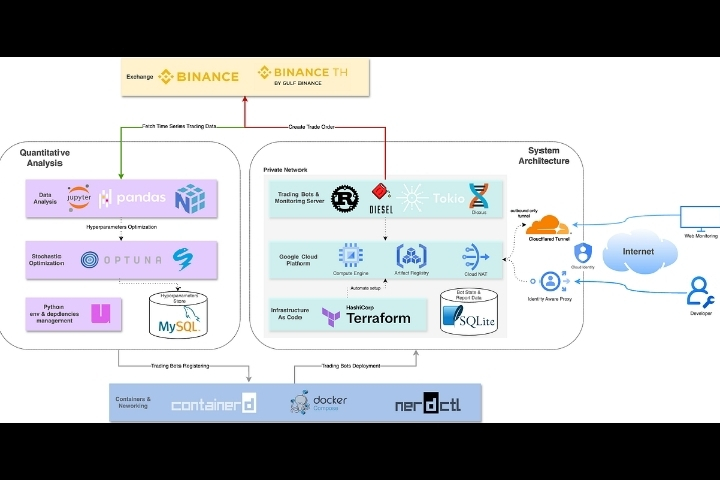
#Fogo appears positioned around reducing interaction conflicts between automated economic actors. Predictable execution sequencing reduces transaction race conditions.
Stable confirmation timing allows algorithms to operate using consistent state awareness. Coordination reliability reduces the need for automated systems to build redundant safety layers that slow performance and increase operational cost.
Why Coordination Infrastructure Could Become the Foundational
If digital economies continue to shifting toward machine-driven activity, coordination infrastructure may become a foundational requirement rather than a performance upgrade.
Networks that maintain execution stability across automated interaction layers could quietly support the expansion of real-time digital marketplaces, AI-driven trading ecosystems, and continuous economic coordination systems.
Institutional Implications of Synchronized Economic Environments
At an institutional level, synchronized execution environments could allow automated treasury operations, real-time liquidity provisioning, and cross-platform settlement infrastructure to operate with reduced systemic coordination risk.
Financial automation scales only when infrastructure ensures predictable interaction outcomes across distributed systems.
Fogo’s Position in the Automation Infrastructure Narrative
From my perspective, Fogo does not appear positioned as another speed-focused blockchain competitor. It appears structured around supporting economic environments where automated participants operate continuously without destabilizing interaction conflicts.
As automation becomes a dominant force across digital economies, infrastructure that stabilizes machine-driven coordination may become structurally indispensable.