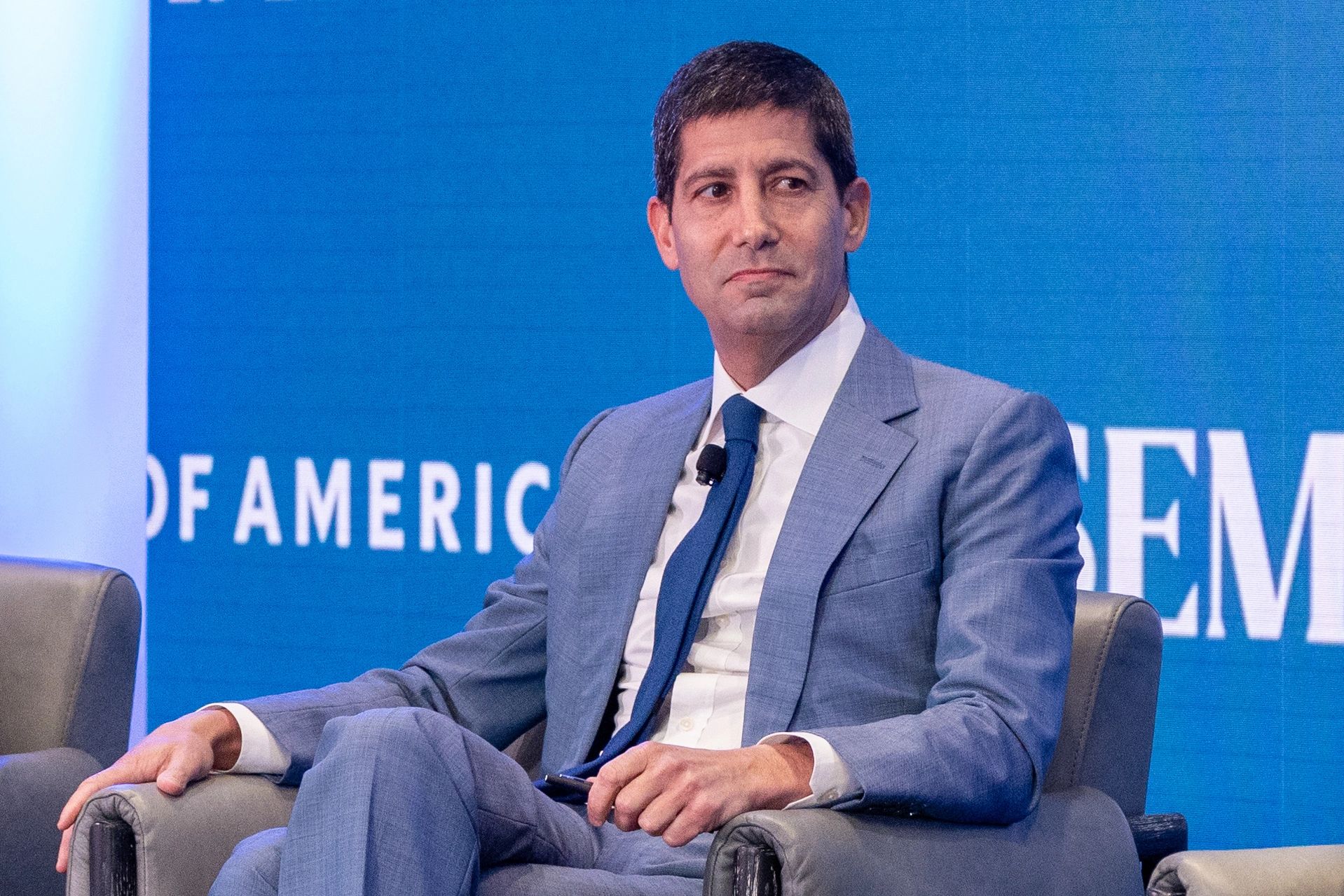
Donald Trump is back, and so is his favorite pastime: telling the Federal Reserve exactly what to do. The President wants the "cheapest money possible," and he wants it yesterday. Enter Kevin Warsh, the man nominated to take the wheel when Jerome Powell’s term expires in May 2026.
On paper, they look like a dream team. In reality? Their "plans" for your wallet might be heading in two very different directions.
Go Low, Go Fast
Trump’s economic vision is simple: lower interest rates to supercharge growth. He views the Fed as the "handbrake" on his Ferrari.
The Demand: Aggressive, immediate rate cuts.
The Goal: Cheaper mortgages, booming stocks, and a weaker dollar to boost exports.
The Logic: Inflation is yesterday’s news; growth is the only metric that matters.
It’s Not Just About Rates
Kevin Warsh isn't just a "yes man" looking for a low-rate high. He is a reformer with a much more complex—and arguably more disruptive—agenda. While he has signaled he’s open to cuts, he wants a "regime change" at the Fed.
The AI Hedge: Warsh argues that AI is a massive "productivity boom" that naturally lowers inflation. This gives him cover to cut rates without looking like a political puppet.
Shrinking the Footprint: Unlike Trump, who just wants the number to go down, Warsh wants to aggressively shrink the Fed’s balance sheet.
The "New Accord": He wants to tighten the bond between the Treasury and the Fed. This is technical-speak for making the Fed less of an independent "ivory tower" and more of a partner in national strategy.
Can They Both Win?
Here is where it gets messy. Trump wants cheap borrowing. Warsh wants to sell off the Fed's massive hoard of bonds (Quantitative Tightening).
If Warsh cuts the "short-term" rates (the ones Trump watches) but aggressively shrinks the balance sheet, "long-term" rates—like your 30-year mortgage—could actually stay high or go up.
The Irony: Trump might get the headline "Rate Cut" he wants, but the average American might still find it expensive to buy a house.
Trump sees the Fed as a thermostat he can dial down. Warsh sees it as a broken engine that needs a complete rebuild. If Warsh gets his way, we’re looking at a Fed that is more political, more focused on tech productivity, and far less involved in the bond market.
It’s a high-stakes experiment. If they’re right, the AI boom covers their tracks. If they’re wrong, we’re looking at a volatile cocktail of "easy money" and "tight credit" that markets aren't prepared for.#Fed #FedRateDecisions #MarketRebound #CPIWatch #HarvardAddsETHExposure