
In the fast-paced world of blockchain technology, where speed and scalability often dominate the conversation, Vanar Chain emerges as a refreshing outlier. Built as an AI-native Layer 1 blockchain, Vanar isn’t just chasing transactions per second it’s engineering a smarter, more reliable ecosystem for real-world applications like PayFi, tokenized assets, and intelligent dApps. With its focus on semantic memory, on-chain reasoning, and modular infrastructure, Vanar Chain is positioning itself as the go-to platform for developers and enterprises seeking stability amid the volatility of Web3.
At its core, Vanar Chain addresses a critical pain point that many blockchains overlook: cost predictability. While competitors tout blistering speeds, Vanar prioritizes “cost discipline” through a innovative fixed-fee model. Most transactions think token transfers, swaps, NFT mints, or staking clock in at a mere $0.0005, locked in USD value to shield users from token price fluctuations. This tiered system scales fees based on gas consumption, but for the vast majority of everyday operations, costs remain ultra-low and stable. No more gasping at gas spikes during network congestion; developers can model their app’s unit economics with confidence before launch.
To put this in perspective, let’s look at how Vanar stacks up against the broader blockchain landscape. Traditional networks like Ethereum often see average fees hovering around $0.44, while even optimized layers like Polygon or Arbitrum range from $0.00075 to $0.0088. Vanar’s sub cent approach isn’t just competitive it’s transformative for high-volume use cases in gaming, metaverses, and AI-driven finance. Here’s a comparative chart illustrating transaction costs across popular chains:
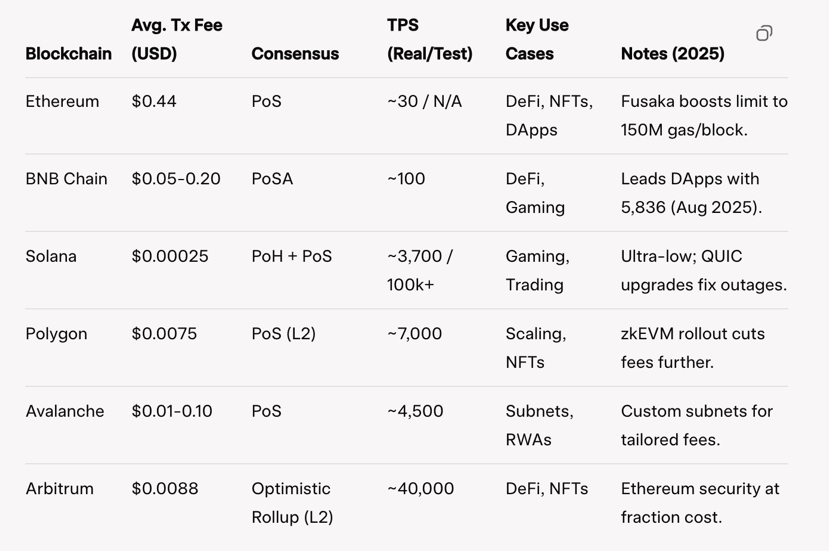
This predictability extends beyond fees to the development process itself. Vanar offers a public RPC endpoint and a robust testnet capable of handling thousands of TPS with low latency far surpassing Ethereum’s ~15-30 TPS and aligning with high-throughput leaders like Solana or Sui. With block times in mere seconds and throughput in the thousands, builders can run seamless “build-measure iterate” cycles without the chaos of variable costs or performance hiccups. This isn’t mere hype;
it’s the kind of operational reliability that enterprises crave when integrating blockchain into their workflows.
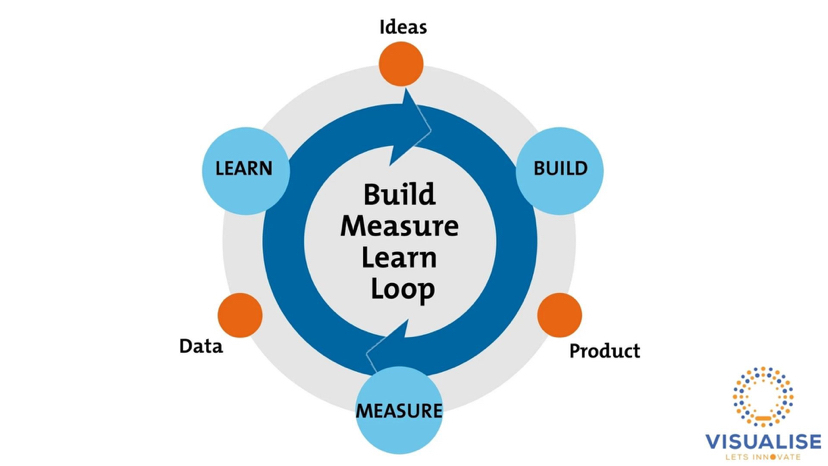
The build measure learn loop, popularized in lean startup methodologies, perfectly encapsulates Vanar’s developer friendly ethos. Teams prototype, gather data, and refine without financial surprises derailing their progress:
On the performance front, Vanar shifts the narrative from raw TPS to “intelligence per second.” As the blog from Vanar highlights, the era of transactional speed wars is evolving Bitcoin’s 7 TPS and Ethereum’s limitations birthed Layer-2s, but Vanar embeds AI directly into the chain for semantic transactions that understand context. This means dApps can process fast AI inference in sub seconds, leveraging distributed compute for real-world finance and tokenized assets. A glance at TPS benchmarks across chains shows how Vanar fits into the high performers’ club:
What truly sets Vanar apart is its enterprise appeal. In a space rife with unpredictability, Vanar’s stable systems 26 million+ global transactions, 150K daily provide the “guilt-free” infrastructure companies need for compliance and scalability. Powered by the $VANRY token, which handles gas, governance, and ecosystem incentives, Vanar is EVM-compatible, making it easy for Solidity devs to migrate. Recent X discussions echo this sentiment, with users praising its focus on real innovation over fleeting trends.
