

When I think about Fogo, I don’t think about it as a headline or a breakthrough. I think about it the way I think about infrastructure—quiet systems that either hold up under pressure or don’t. That framing matters to me more than any performance statistic ever could.
Fogo is a high-performance Layer 1 built on the Solana Virtual Machine. That sounds technical, but what it really means is that it’s choosing a specific execution philosophy. The SVM is designed around parallel processing—handling many transactions at once instead of forcing them into a single line. In simple terms, it’s closer to how real-world systems scale. A busy airport doesn’t operate with one runway for everything; it coordinates multiple paths simultaneously. The goal isn’t spectacle. It’s flow.
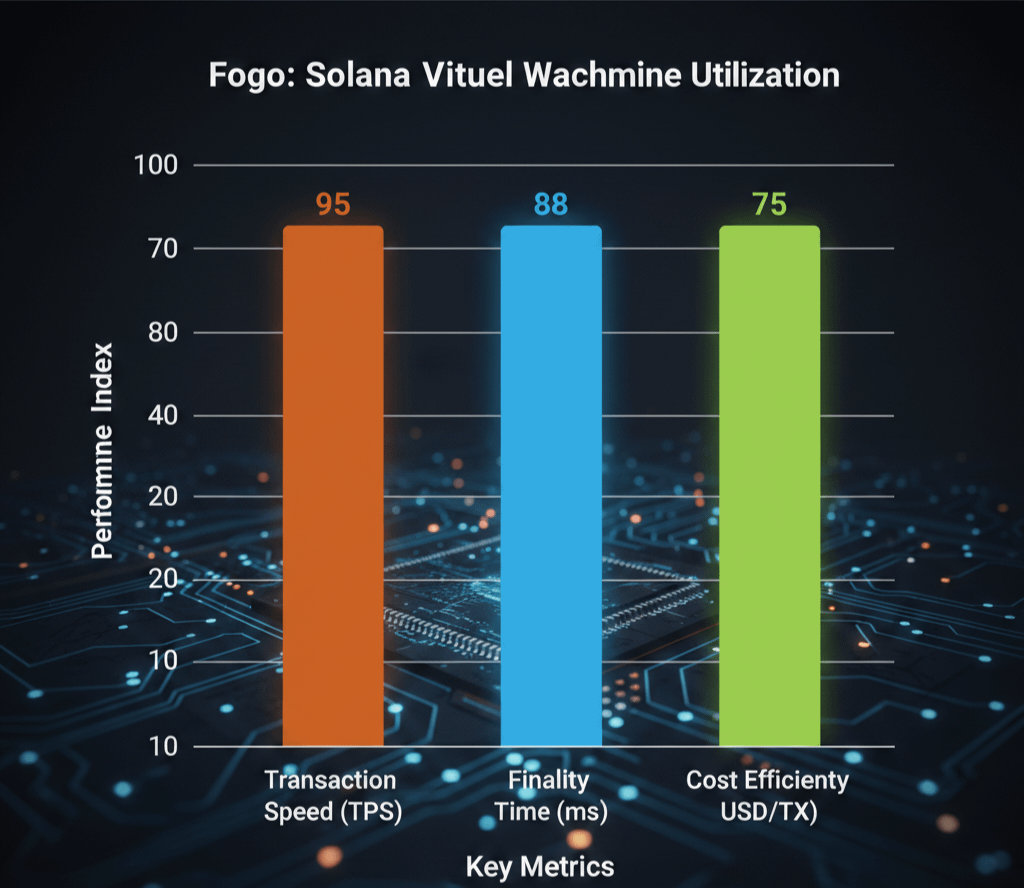
But performance is never free. Parallel systems demand structure. They require clear definitions of what can happen at the same time and what can’t. They depend on validators who are aligned and predictable. In traditional finance, this would be the equivalent of clearinghouses and settlement desks—processes nobody celebrates, but everyone relies on. When those systems fail, you don’t get inconvenience; you get contagion.
That’s how I try to evaluate Fogo. Not by asking, “How fast is it?” but by asking, “How does it behave when things get messy?” Markets don’t move in straight lines. Users don’t act in isolation. When volatility hits, activity spikes in synchronized waves. That’s when architecture stops being theory and starts being reality. A high-performance L1 has to manage congestion, maintain settlement integrity, and preserve auditability—all at once.
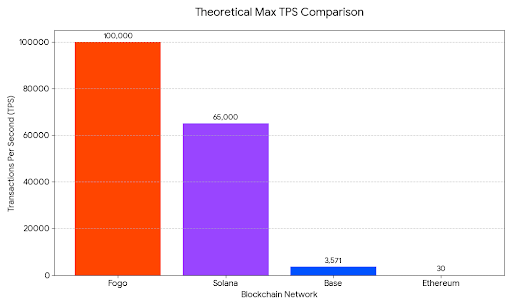
Using the Solana Virtual Machine also carries a kind of philosophical choice. It inherits a mature execution environment, which lowers friction for developers who already understand SVM semantics. That’s practical. It reduces reinvention. But it also means Fogo must differentiate elsewhere—in how it structures consensus, incentives, governance, and long-term sustainability. Otherwise, it’s just replicating a framework rather than refining it.
What I’ve learned over time is that the “boring” layers matter most. Incentive design. Validator distribution. Fee stability. Transparent reporting. These aren’t exciting topics, but they determine whether a network is resilient or fragile. In traditional institutions, you don’t judge a bank by how modern its lobby looks. You judge it by capital reserves, compliance systems, and operational continuity. The crypto space often forgets that.
I’m not skeptical of performance. I just don’t mistake it for durability. High throughput is useful. Low latency is useful. But they only matter if they sit on top of reliable settlement and rational incentives. Otherwise, speed becomes noise.
For me, the real question isn’t whether Fogo can process transactions quickly. It’s whether it can quietly sustain real activity over time—whether developers can build without worrying about unpredictable costs, whether validators stay aligned when conditions shift, whether users experience consistency instead of spikes and stalls.
We talk a lot in this industry about adoption, but adoption doesn’t come from novelty alone. It comes from systems that integrate smoothly into daily behavior. If Fogo’s design decisions truly reflect an understanding of operational realism—of trade-offs, of stress scenarios, of human incentives—then it has a meaningful role to play.
And if not, the market will eventually expose that too.
What I keep coming back to is this: in a space obsessed with innovation, are we willing to value reliability as innovation? Can a high-performance architecture mature into dependable infrastructure? And when real institutions look at networks like Fogo, will they see experimentation—or something steady enough to trust?
