

How Fogo Designs to Operate at Scale.
Complexity tends to increase as the networks of blockchains expand. Systems may be hard to use because of more features, layers and more configuration options. Flexibility may come in handy, but overly complicated operations are dangerous. Poor configurations, inconsistency and errors of operation may diminish performance and stability.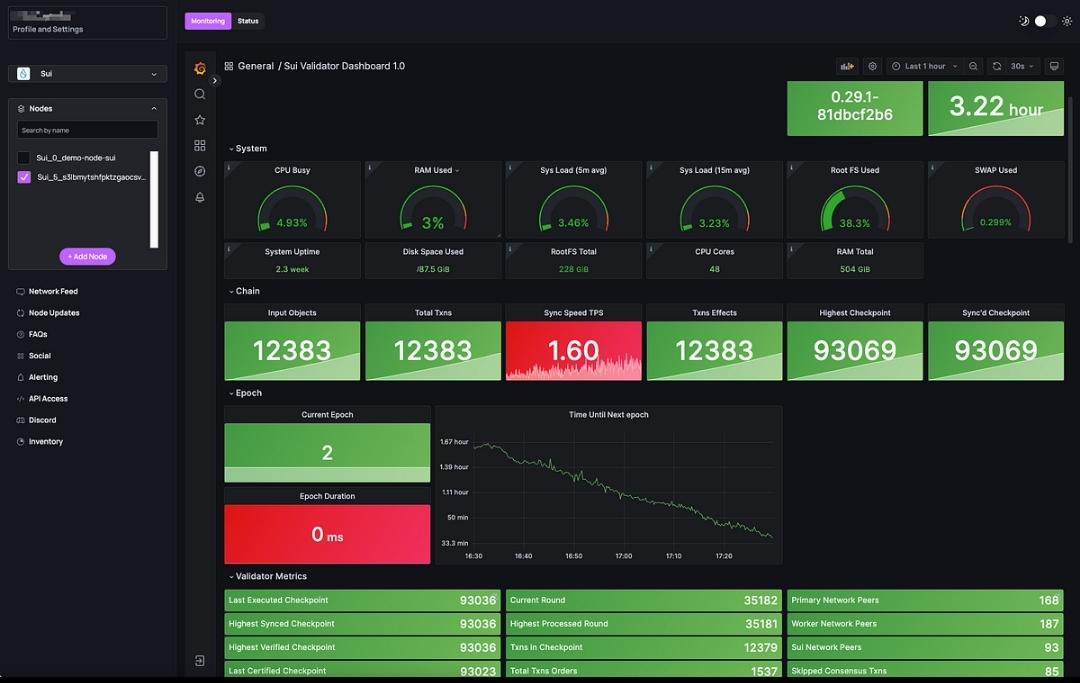
Operational simplicity is one of the principles of Fogo. This is with an objective of developing a high performance network that is powerful and yet easy to manage by the validators as well as the infrastructure providers.
Client standardization is one of the factors that make the operation comparatively simple. The network concentrates on an implementation of the client, which is based on Firedancer, and a high-performance client. This minimizes variability and deployment and maintenance is easy.
When troubleshooting, validators will be able to run similar software and it is simpler. The expectations of performance are more definite and the problems that are created in operations are spotted faster.
Reliability also increases configuration simplicity. The architecture of the validator is based on the structured pipeline with fixed resource distribution. The operators are able to allocate the CPU cores, memory, and networking capacity in a deterministic manner without an elaborate tuning.
Deterministic behavior is also another aspect of simplicity. The schedules of leadership, time of consensus and block production patterns are predictable. This minimizes the effect of continuous observation and again regulation.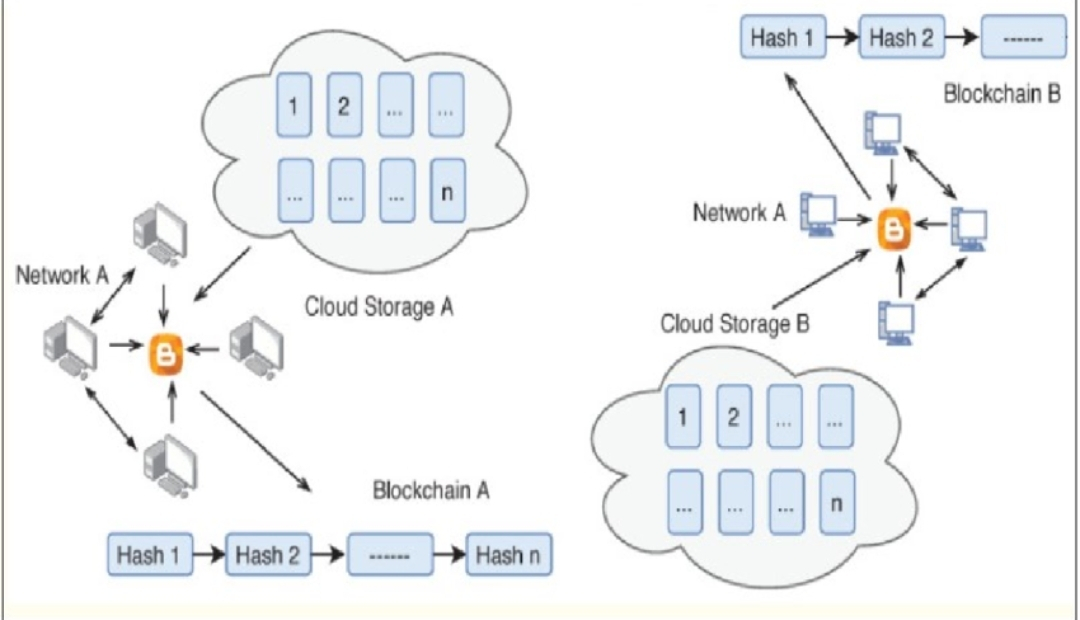
Involvement in a geographic zone is pre-coordinated. Validators understand when to expect their region to be live and be able to plan the infrastructure accordingly. This prevents abrupt operations alterations that may interfere with performance.
Network connectivity needs are also simple. Since active consensus is executed in a localized environment, operators are able to work on maximising regional connectivity instead of working on global optimisation of latency.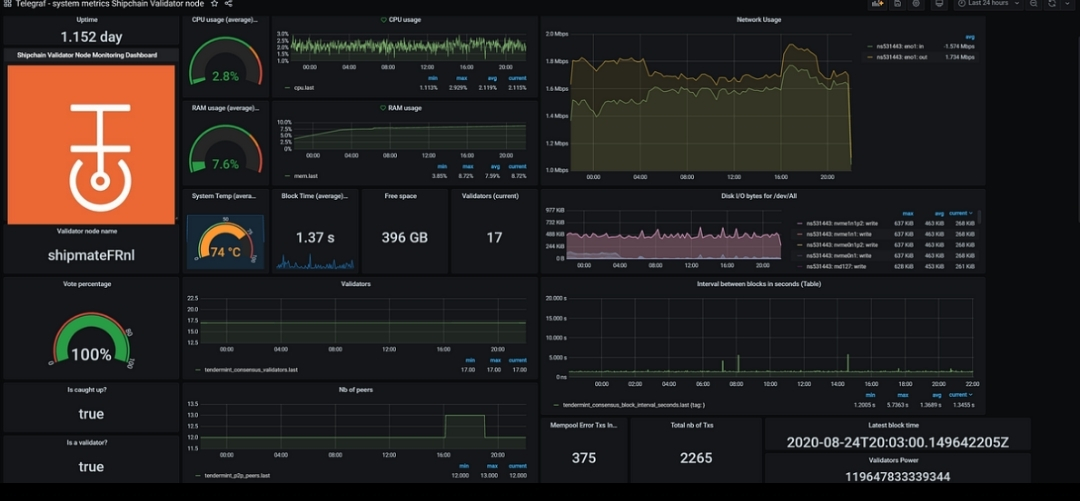
This structure is advantageous to monitoring and maintenance. The performance measures like the slot participation, the success of the vote, and the use of resources have a regular trend and hence it becomes easy to notice anomalies.
Validation infrastructure also has the support of scaling by operative simplicity. The more operators are on the network the better a standard practice makes onboarding issues appear simpler and connected to the overall quality of performance.
Obeisant functioning is supported by economical encouragements. Validators with stable infrastructure get regular rewards, whereas operational errors have a direct impact on income.
To the delegators, the sincerity enhances trust. The validator reliability could be assessed much more easily due to clear metrics of performance and predictable behavior that needs to be conducted before delegating the stake of $FOGO.
Operationally speaking, systemic risk is minimized by operational simplicity. Similar best practices by the majority of the validators make the network more resilient to configuration errors or ex-post facto.
The efficiency in operations will be one of the major factors as the blockchain infrastructure becomes more professional. Networks which have to be manually tuned or configured will find it difficult to sustain a consistent performance.
The design of Fogo indicates a long term infrastructure thinking. The network will enable thousands of people to participate without becoming more complex with high performance coupled with standardization of operation and predictable behavior.
You will need to remain in touch with the @fogo so as to adhere to validator direction and operative news. It is run with the simplified infrastructure model that is meant to be reliable with large-scale operation.@Fogo Official $FOGO #fogo