
I’ll be honest I didn’t expect Mira to become one of the more talked-about names in crypto this year. With all the noise around memecoins and endless layer-1 debates, you’d think attention would be somewhere else. But here we are in 2026, and Mira keeps popping up in trading groups, developer chats, and even on serious market analysis threads.
So what’s actually happening?
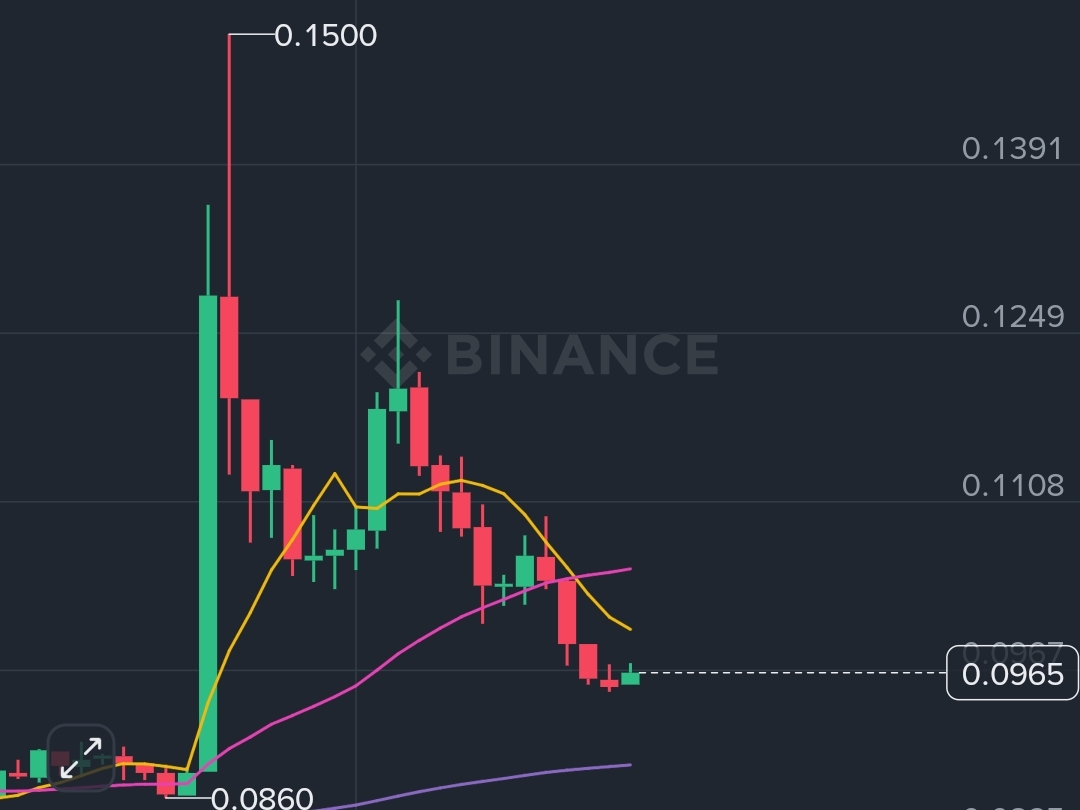
It started back in September 2025 when MIRA launched with a major Binance listing. Not a quiet one either. It came with a 20 million token airdrop to long-term BNB holders through Binance’s HODLer program. That move alone pulled in attention from both retail traders and bigger players. On day one, it wasn’t just spot trading it had multiple pairs, plus margin, earn, and futures integration. That kind of liquidity from the start is rare.
I remember watching the order books around that time. For a fresh listing, liquidity was surprisingly solid. It didn’t feel like a quick pump-and-dump setup. There was real activity, and some exchanges even added incentives to keep engagement high.
But listings alone don’t carry a project into the next year. The real reason Mira is still being discussed in 2026 comes down to one thing: AI trust.
Right now, AI is everywhere. But there’s a big issue nobody can ignore reliability. If you can’t fully trust AI outputs, it’s hard to build serious products around them. Mira’s idea is pretty simple in theory but ambitious in practice: break AI responses into claims, verify them across decentralized participants, and reach consensus before calling something reliable.
Instead of just accepting what a model says, the network adds a layer of verification. For industries like healthcare, legal, or even DeFi, that’s not a small thing. Reliability isn’t optional there.
That narrative being a “trust layer” for AI is what keeps developers interested. And when developers pay attention, traders follow. In crypto, you’re not just buying a token; you’re buying the expectation of where it could fit into a bigger system.
Now, let’s not pretend it’s been all green candles. Like many 2025 launches, MIRA saw volatility. After early highs, it pulled back as the broader market cooled. That’s normal. New tokens often give back gains once hype settles. Price action has been mixed, and short-term traders have had to stay cautious.
But despite that, attention hasn’t disappeared.
The team kept pushing updates, rolling out verification reward programs, and even signaling a strategic evolution with branding changes. Whether those moves pay off long-term is still a question, but they show the project isn’t just sitting back hoping for speculation to return.
So why is Mira trending in 2026?
Because it sits at the intersection of two massive themes: AI and blockchain. It has exchange support, measurable usage, and a narrative that actually makes sense in today’s tech landscape. That combination is stronger than hype alone.
The real test now isn’t whether MIRA spikes again. It’s whether the network becomes something developers and enterprises genuinely rely on.
In crypto, hype can create a moment. Utility creates a cycle.
And right now, Mira is somewhere in between which is exactly why people are watching it closely.