
I remember the time I saw an arm in a warehouse.
It was pretty simple no stuff, just bright lights.
The robotic arm was quietly sorting boxes.
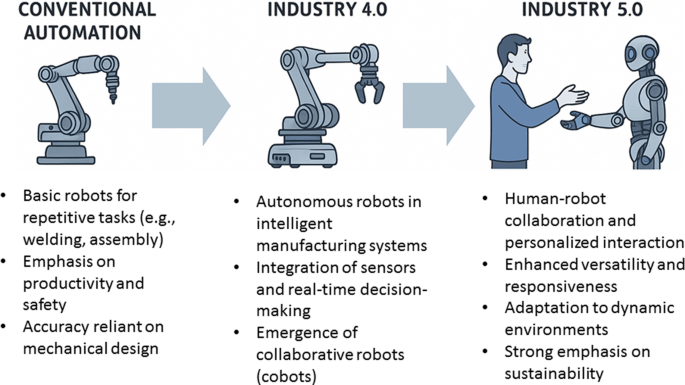
What really struck me was not how fast or precise the robotic arm was.
It was the way people acted around the arm.
A few workers stood nearby unsure if they should move closer or stay back.
Their movements were small and careful like they were being cautious around the arm.
It was as if they were trying to be careful around the machine, the arm.
At that moment I realized something: technology no matter how advanced only works when people trust the technology.
Trust does not happen overnight.
It is built over time as people learn to trust the technology.
They observe how the technology works. They test it out.
Sometimes fear or uncertainty gets in the way of trusting the technology.
I have seen this pattern with crypto and new technology.
Teams launch with plans and exciting ideas and social media fills up with excitement and predictions.
Do people talk about how to actually use these tools the technology?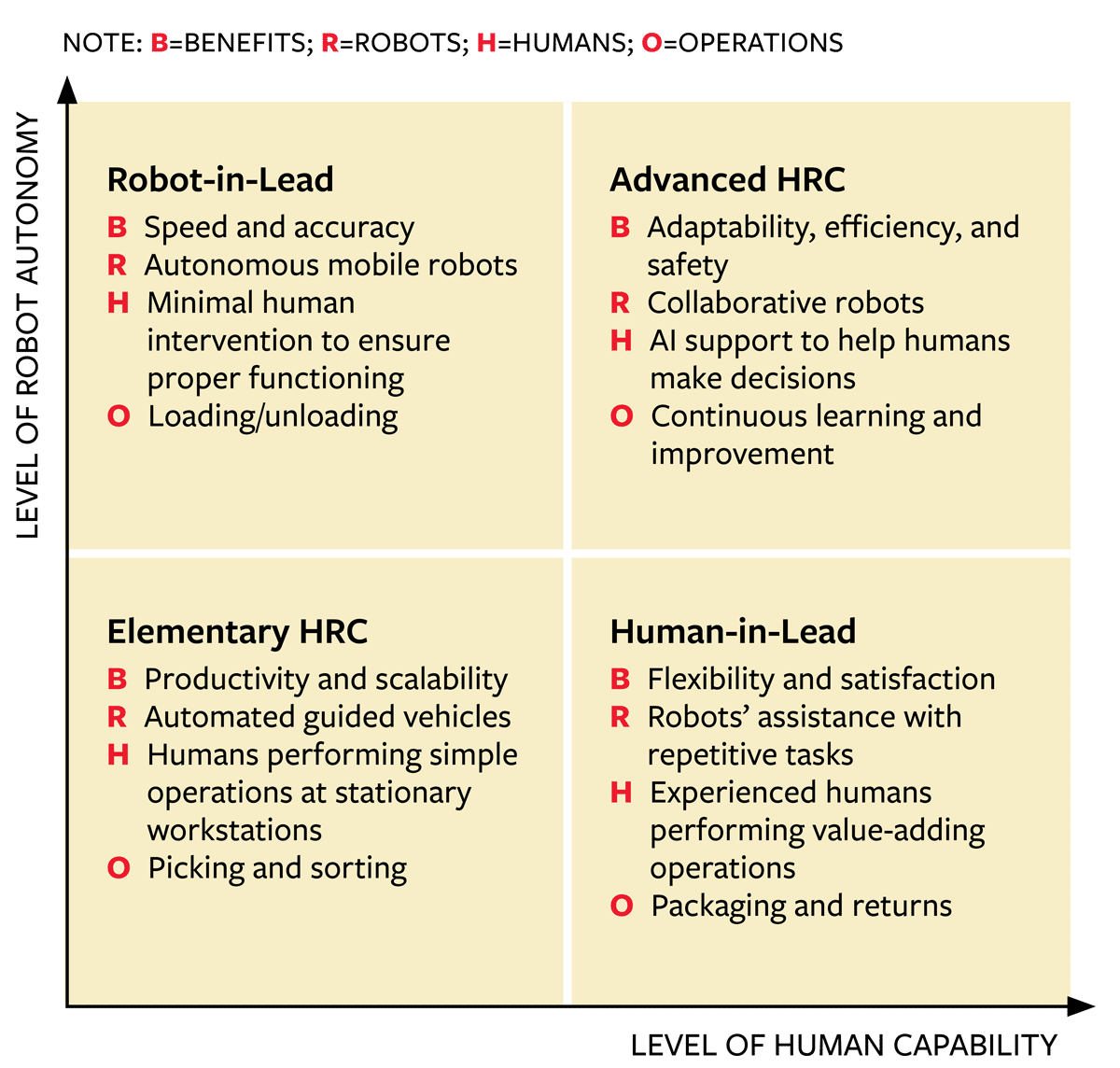
Many workplaces do not have people trained to use, maintain and understand the systems, the robotics and automation.
These hidden costs slow things down. People are cautious of machines, the robotic arm making decisions on their own.
Mistakes, no matter how small can have consequences and confidence needs to be earned.
Gradual adoption is key as people need time to trust the technology, the robotics and automation.
I talked to professionals who work with automation every day like Sofia, a Robotics Engineer.
Sofia said, "We have systems across the factory each with its own software and integrating them is a nightmare.
A standardized infrastructure sounds good. It must be easy to use and I do not want complexity."
Raj, a Supply Chain Manager said, "We face delays and miscommunication between automated systems and if some of that data could be shared securely and transparently it would help.
Only if I trust the system will not fail or compromise sensitive information."
Elena, a Software Architect added, "Blockchain has potential in coordinating decentralized resources but novelty alone is not enough.
How do we get these systems to actually work together at scale and make the technology, the robotics and automation usable?"
The pattern is clear: the challenges are real and immediate.
Excitement around systems must meet clarity, reliability and ease of use. That is where Fabric Foundation and Fabric Protocol come in.
They address some of these challenges by offering an infrastructure that allows robots and automation systems to communicate effectively.
A public ledger enables computation and coordination without relying on an authority and on-chain mechanisms provide adjustable frameworks for decision-making between machines and humans.
By putting operations on-chain Fabric reduces complexity. Builds trust among human operators, which is essential for the adoption of technology the robotics and automation.
This is not about value; it is about use, smoother adoption and verifiable assurances for operators. That is what Fabric Foundation and ROBO provide.
In discussions about systems and blockchain hype often overshadows benefit and market attention gravitates toward novelty or perceived future value.
Real lasting innovation quietly solves practical problems like can this system integrate into an existing production line reliably and does it improve workflow reduce human error without adding complexity?
Does it comply with safety regulations and data governance standards which're essential for the adoption of technology the robotics and automation?
Speculation rarely answers these questions. They are at the heart of adoption and that is why we need to focus on building verifiable interoperable systems that support human-machine collaboration over time.
That is what Fabric Foundation and ROBO provide.
Watching those warehouse workers again I realize that the future of automation is not about speed or profit.
It is in earning trust simplifying complexity and making technology the robotics and automation feel like a tool than a challenge.
Fabric Foundation and ROBO provide the infrastructure that allows humans and machines to collaborate safely reliably and meaningfully.
They address the scaffolding, the coordination, verification and governance that makes autonomous systems usable in the world and that is essential for the adoption of technology the robotics and automation.
Adoption is not immediate but incremental and it grows as humans observe, trust and adapt to workflows and technology does not lead; it must be guided by perception, confidence and oversight.
In this sense ROBO and Fabric are less about hype or speculation and more, about laying foundations foundations that make automation verifiable and human-compatible.
The promise of systems lies not in what they can do but in how they integrate into our daily work, our workflows and our trust networks and that is the long-term impact that defines meaningful innovation.
@Fabric Foundation #ROBO #robo $ROBO
