
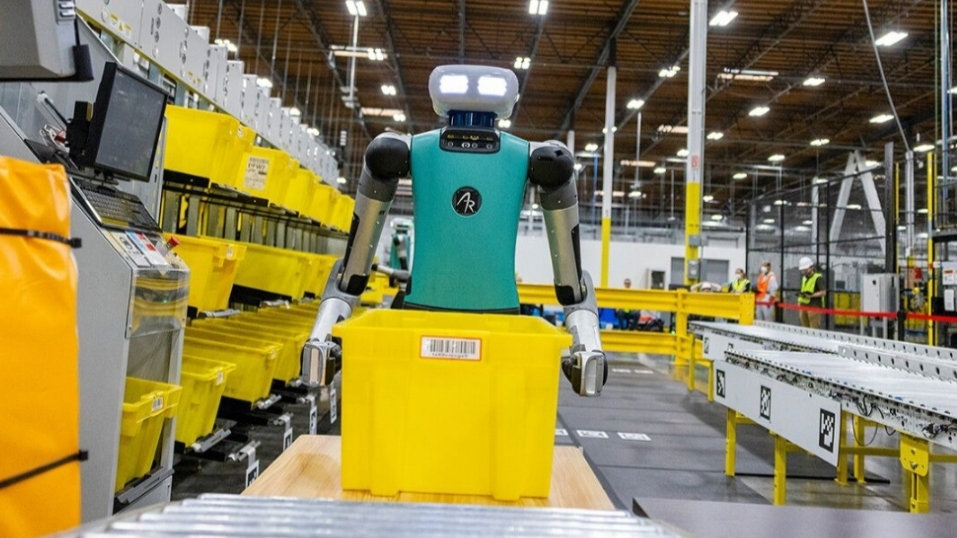
Some technologies are not powerful just because they were invented.
They become powerful because of the infrastructure behind them.
🔹 The internet became possible when protocols like TCP/IP connected computers around the world.
🔹 Blockchain became possible when decentralized networks allowed thousands of nodes to agree on the same ledger.
🔹 In the same way, the future of robotics will likely require a shared infrastructure that allows machines to operate together.
This raises an important question.
If robots and AI systems begin making decisions and performing tasks autonomously, how will trust be established between them?
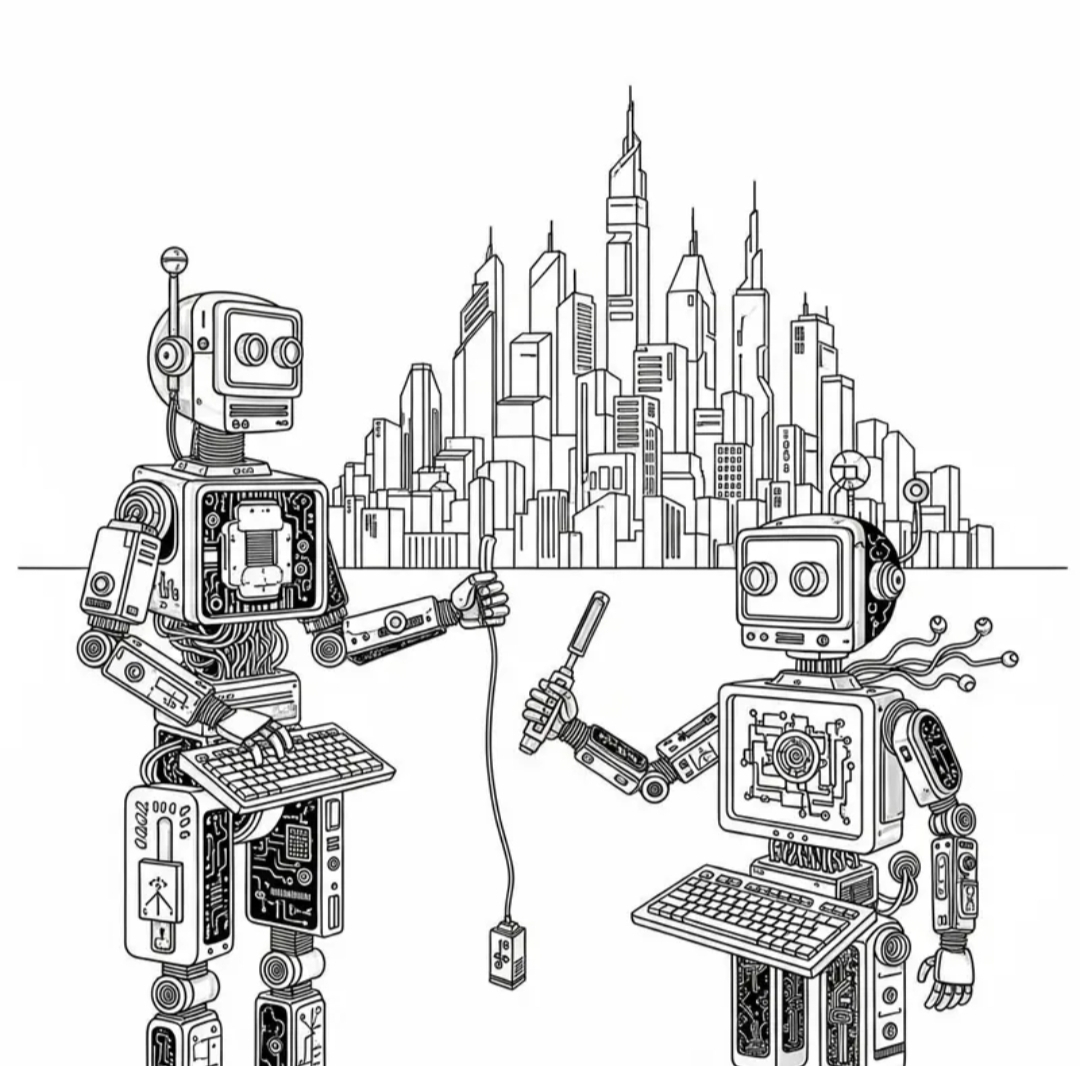
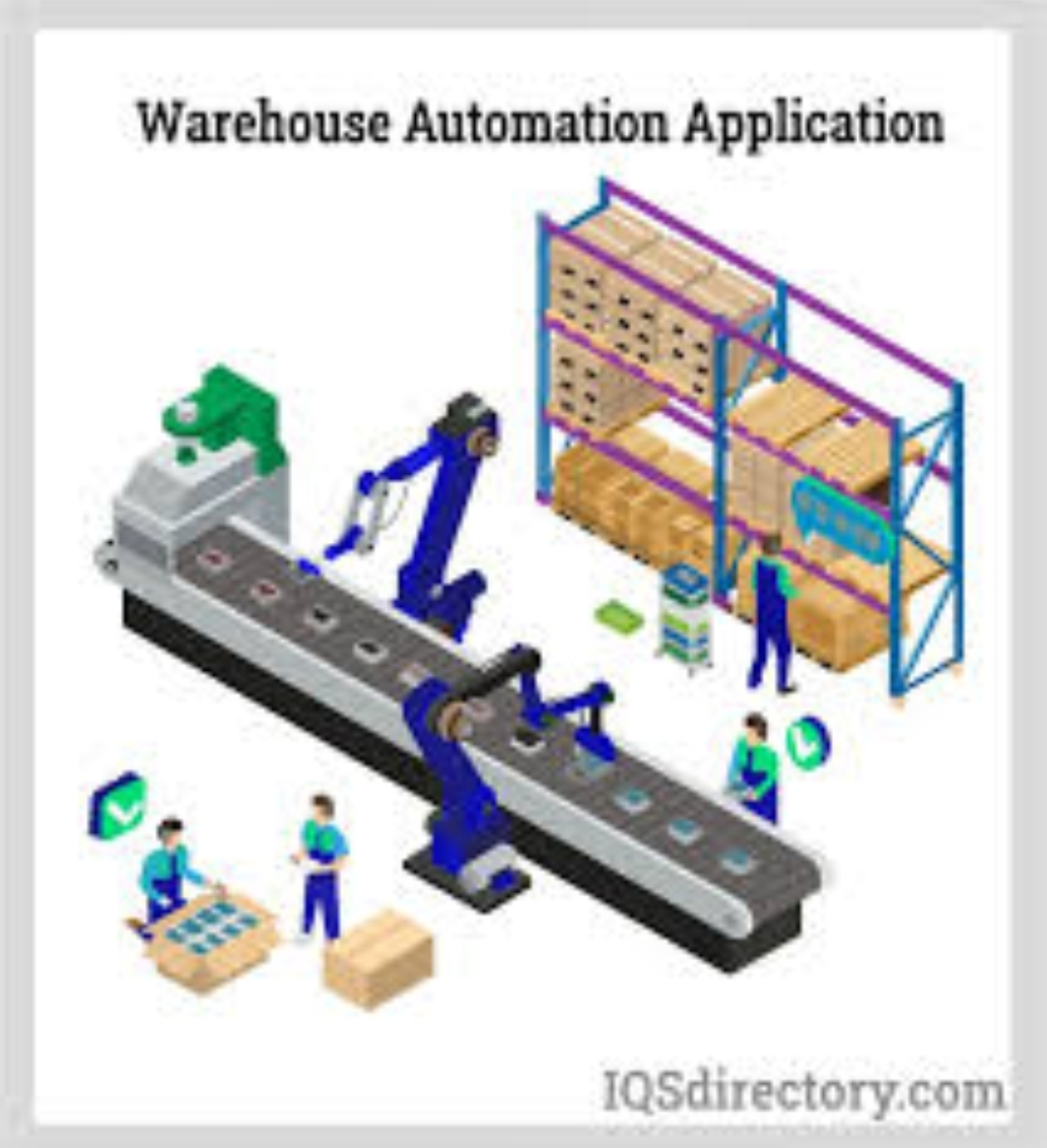
Imagine a modern automated warehouse.
One robot scans barcodes
Another robot moves packages between zones
An AI system monitors the entire operation
Everything appears fast and synchronized.
But the real challenge begins when records don’t match.
If one robot reports that a delivery was completed,
but another system records a delay or an error,
then a simple but important question appears:
Which system represents the truth?
As machines become part of complex operational environments,
trust can no longer rely on a single software platform.
This is where verification infrastructure becomes important.
Some new projects are beginning to explore this idea.
One example is @FabricFND.
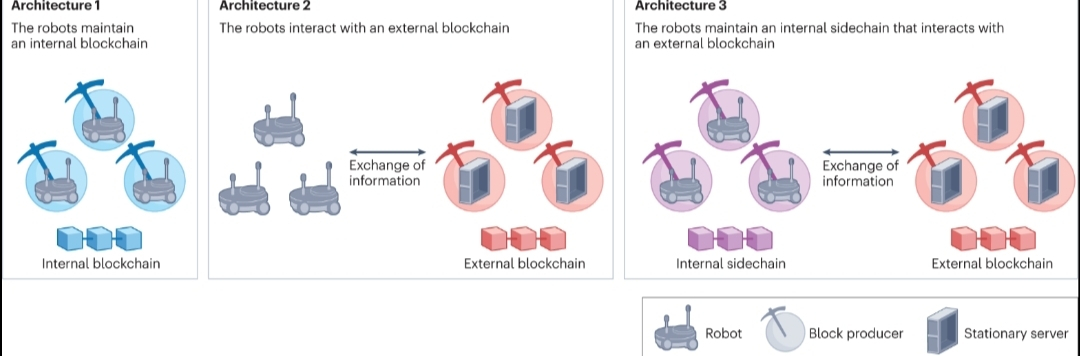
Fabric Foundation is working toward building a decentralized infrastructure where machine actions can be verified and recorded in a shared network.
In such a system:
• Machine activities could be verifiable
• Different robotic systems could operate within a common network
• Data could become transparent and reliable
Instead of multiple systems keeping conflicting records,
a shared ledger could allow participants to agree on the same history of events.
This concept could become increasingly important if, in the future:
Factories become more automated
Supply chains rely heavily on robotics
Smart cities operate through connected AI systems
In environments like these, machines may not only perform tasks.
They may also participate in economic activity.
This is where $ROBO could play an important role.
Within the network, the token could help:
Organize economic activity
Incentivize network participants
Enable value exchange between machines and services
If the future truly moves toward a machine-driven economy,
networks like this could become part of the infrastructure supporting it.