I’ve spent a lot of time working with digital systems where identity and trust are everything. Pretty quickly, I saw how most solutions out there just don’t get the balance right between security, usability, and privacy. That problem led me to dig into better frameworks something that lets people interact online without putting themselves at risk. Through all my experience, @SignOfficial stands out as the kind of global infrastructure we need for identity and trust.
Honestly, the current landscape is messy. Identity systems honestly feel like islands—they don’t communicate and users end up jumping through the same hoops everywhere. I’ve built systems where this repetition slows things down and makes data exposure more likely. SIGN fixes that. It brings a unified, portable approach so you can rely on one trusted identity, instead of juggling a bunch of disconnected profiles. That makes life easier for both developers and users.
Security is a big part of why I believe in SIGN. I’ve seen firsthand what happens when identity data sits in big centralized databases those become prime targets for hackers. The fallout is rough, both for companies and their customers. SIGN flips that around. Instead of piling up sensitive data in one place, it verifies identities without putting personal info at risk or copying it everywhere. That lowers the risk and makes systems way more resilient.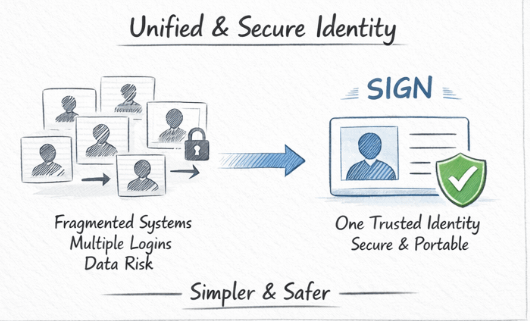
Privacy has always been at the heart of my work. I’ve had to collect more data than I wanted, just to tick off regulatory boxes. It’s awkward compliance rules versus user trust. SIGN made it possible to verify identity attributes without exposing everything. It follows data minimization practices and gives people more control over what they share. Because of this, I feel confident that my systems actually respect privacy, while still staying compliant.
Trust isn’t only about keeping data safe it’s about being transparent and accountable. SIGN help with this too. It lets me build systems where I can prove things have been checked without dumping sensitive info. Users and regulators don’t need to see raw data to trust the process. Compared to old models that require full disclosure, this is a real upgrade.
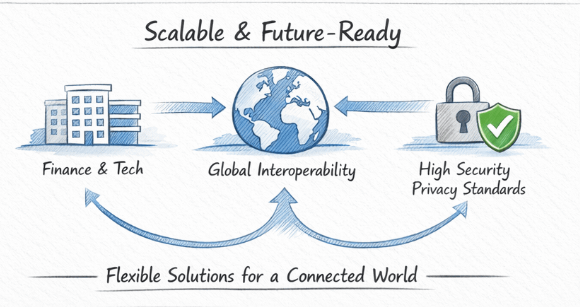
Another big plus: SIGN scales across industries. I’ve worked in finance, tech and digital services. Every field has unique demand and SIGN adapts to them. Whether I’m designing payment processes or access control, I use same core principles. This flexibility make it easier to create robust, interoperable solutions.
User experience also benefits. In the past, my systems forced users through complex verification steps again and again. Unsurprisingly, that made people frustrated and less likely to stick around. With SIGN, I can cut out the repetition. Users verify once and use that identity across services. Less friction mean greater adoption. I’ve seen that when systems are easier, people trust and use them more responsibly.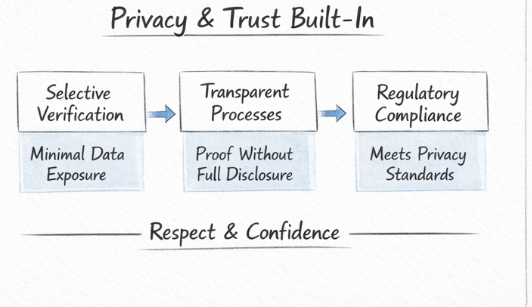
Regulatory compliance is always sticking around, but SIGN helps here too. Instead of treating compliance as an annoying afterthought, I can build it into the system from the start for privacy, for financial security. Verification replaces endless data collection, so audits are simpler and integrity is stronger.
On a bigger scale SIGN is more than just tech it’s a shift in how we handle digital identity and trust. Now it's about validating identity and empowering users. SIGN gives me the tools to build systems that line up with values like fairness and transparency.
Looking to the future, I think global identity infrastructure will become even more important. As digital interactions cross borders, fragmented systems will keep falling short. SIGN is the foundation to support that global scale, keeping security and privacy standards high. In a world that’s always more connected, that’s how you build trust.
So, my belief in SIGN isn’t just theoretical it’s shaped by practical experience and careful thinking. I’ve seen SIGN fix problems that other systems can’t touch. It unifies identity, secures data, supports privacy, boosts user experience and above all builds trust. That’s why I see SIGN as the global infrastructure we need for identity and trust in the digital age.