

The lines between physical identity and digital existence have blurred beyond recognition, yet the mechanisms we rely on to verify who we are and what we own remain stubbornly anchored to paper-based paradigms and fragmented databases. In a world where a teenager in Manila can create a global financial product before breakfast while a professional in Lagos waits three weeks for a background check to clear, the infrastructure of trust has become the invisible bottleneck limiting human coordination at scale. This is precisely where the current wave of blockchain innovation finds its most pragmatic expression not in speculative trading cycles, but in the unglamorous, essential work of making credentials portable and value distribution frictionless across borders, platforms, and institutional boundaries.
What began in 2020 as a hackathon experiment in decentralized document signing has evolved into something far more ambitious: an omni-chain infrastructure that now processes millions of identity attestations and handles billions in tokenized value distribution. The transformation from EthSign to @SignOfficial in 2024 marked more than a simple rebrand; it signaled a maturation from a single-use application into a comprehensive protocol layer serving sovereign governments, Fortune 500 enterprises, and grassroots crypto communities with equal precision. When the token generation event finally arrived in late April 2025, following 32 million in strategic backing from the likes of Sequoia Capital’s global entities and YZi Labs, it represented the culmination of four years spent solving the unsexy problems that prevent blockchain technology from achieving mass adoption.
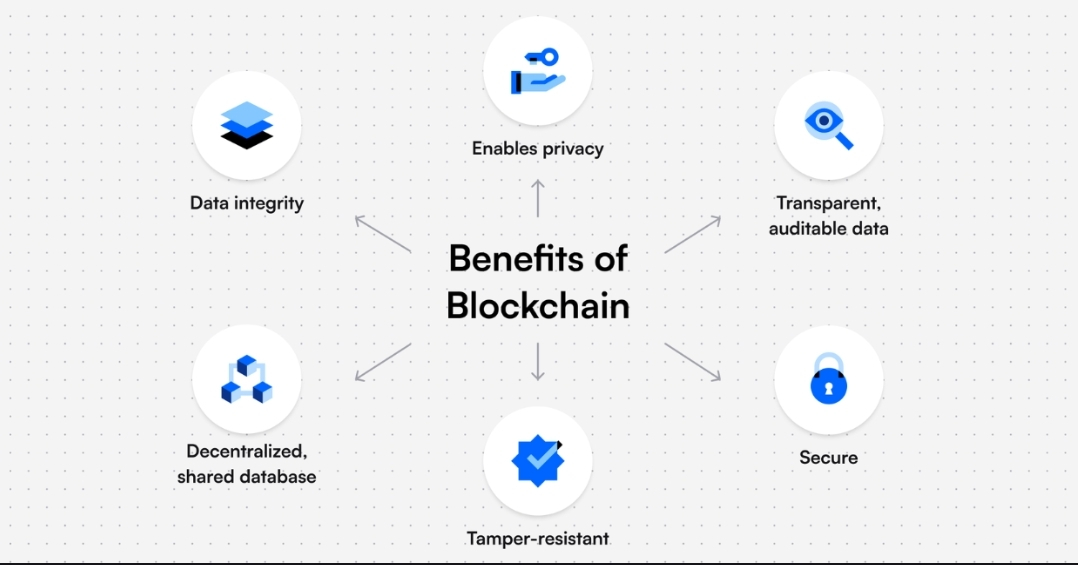
At the heart of this infrastructure sits Sign Protocol, an attestation layer that operates with the flexibility of a diplomatic passport across blockchain ecosystems. Unlike identity solutions that force users into proprietary silos, this protocol speaks fluently across Ethereum, Solana, TON, Move-based chains, and Starknet, allowing a credential issued on one network to be verified instantly on another. The technical architecture leverages zero-knowledge proofs and asymmetric encryption in ways that feel invisible to the end user a government official in Barbados can verify a citizen’s identity without the underlying personal data ever leaving the individual’s device, while a supply chain manager in Dubai can confirm the authenticity of shipping credentials without navigating multiple incompatible systems. In 2024 alone, this infrastructure processed over six million such attestations, with schema adoption exploding from four thousand to four hundred thousand distinct verification templates as developers discovered the protocol’s utility.
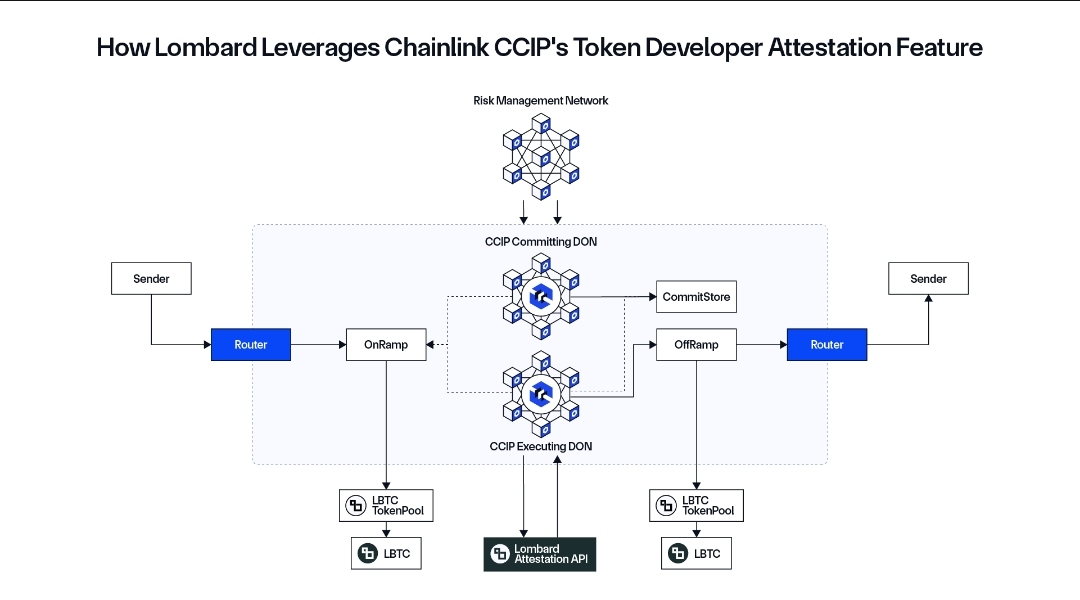
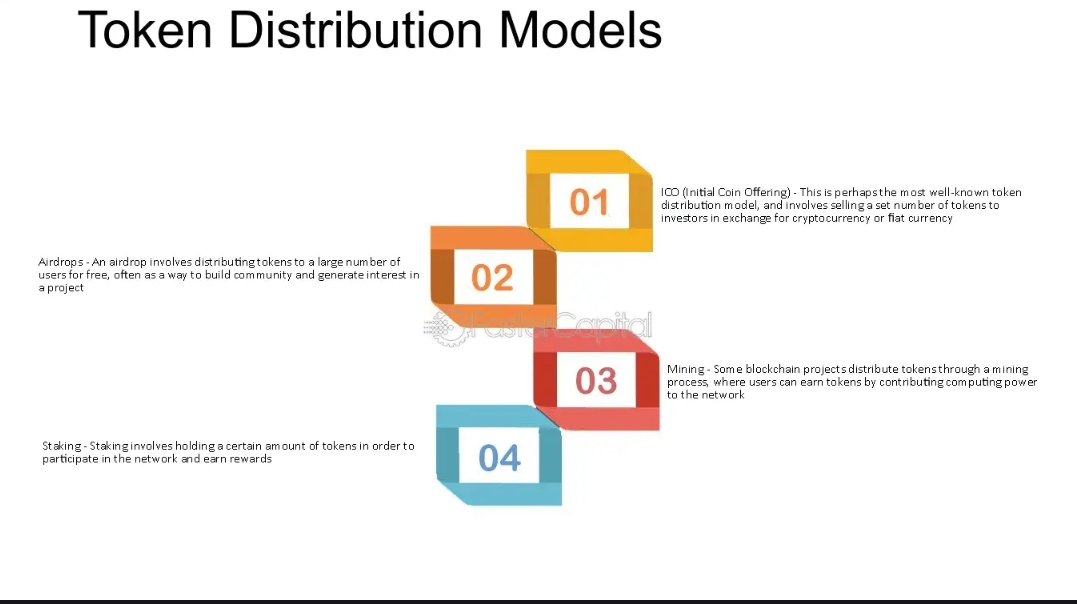
Complementing the identity layer is TokenTable, which has quietly become the dominant distribution engine for the cryptocurrency industry’s most sophisticated token launches. The platform has already funneled more than four billion dollars in value to over forty million wallet addresses, handling everything from investor vesting schedules to viral social-media-gated airdrops with the same modular efficiency. When ZetaChain launched through this system, or when Notcoin distributed to millions of Telegram users, they utilized infrastructure that makes the complex logic of token unlocks—linear releases, cliff periods, event-triggered distributions—as simple as configuring a spreadsheet. This is the plumbing that makes the speculative headlines possible, yet it operates with the reliability of utility infrastructure, having generated fifteen million dollars in revenue during 2024 while the broader crypto market oscillated between euphoria and despair.
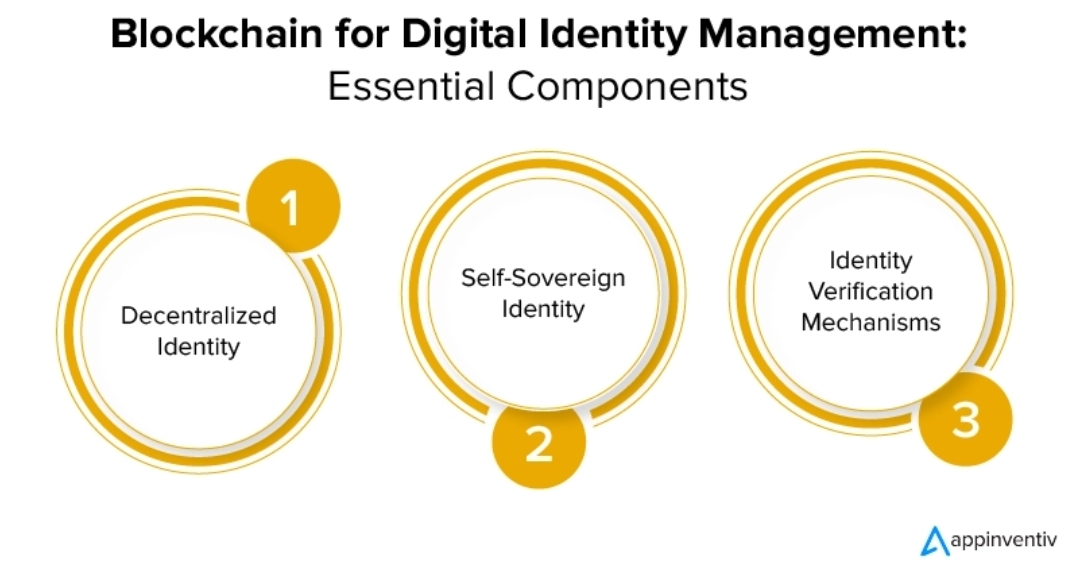
The real-world traction extends far beyond crypto-native use cases. SignPass, the on-chain identity registry, is already live as government-grade infrastructure in three countries, with pilots expanding across twenty nations including Thailand and Sierra Leone. In Sierra Leone, the system powers the first fully on-chain e-visa platform, allowing visitors to submit biometric credentials and receive authorization without the bureaucratic friction that typically characterizes African border crossings. Barbados has taken this further, partnering to build a sovereign Layer 2 stack that integrates digital identity with stablecoin-based universal basic income distribution a testnet already operational with public mainnet deployment scheduled for mid-2025. These are not vanity partnerships designed for press releases; they represent the foundational layer for what the project terms "super-sovereign databases," where national identity systems coexist with global verification standards.
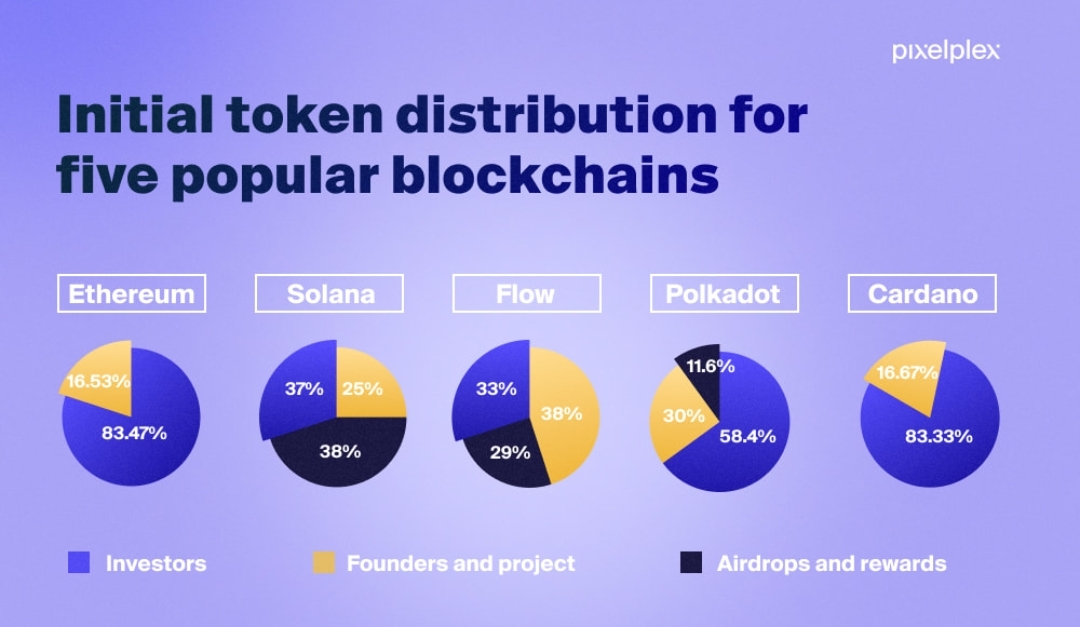
The economic engine powering this ecosystem, the $SIGN token, functions less as a speculative asset and more as the coordination mechanism for a global community that has organically coalesced under the banner of the Orange Dynasty. With a maximum supply of ten billion tokens and an initial circulation designed to ensure deep liquidity without overwhelming the market, the token serves triple duty: as computational fuel for protocol usage, as a staking mechanism for governance participation, and as the social currency binding together eighty thousand active community members across continents. Holders do not merely speculate on price appreciation; they participate in a decentralized governance council that approves protocol upgrades and ecosystem grants, creating a feedback loop where the infrastructure’s evolution reflects the actual needs of its most engaged users rather than the dictates of a centralized development team.
Looking toward the remainder of 2025, the roadmap suggests an acceleration of this real-world integration. The Sign SuperApp, scheduled for release in the second quarter, promises to compress the current fragmented experience of wallet management, identity verification, and token custody into a single mobile interface designed for populations who may never have possessed traditional banking relationships. By the third quarter, additional government-level deployments in Southeast Asia and the Caribbean will demonstrate whether blockchain-based identity can achieve the regulatory acceptance necessary for mainstream adoption. The fourth quarter brings the Sign Media Network, an intriguing pivot toward decentralized content distribution that would leverage the existing attestation infrastructure to verify journalistic credentials and combat information disorder.
What distinguishes this project from the countless infrastructure plays that have come before is the deliberate focus on revenue sustainability and capital efficiency. Having raised thirty-two million dollars across seed and Series A rounds, the team achieved profitability in 2024, matching its external funding with organic revenue generation—a rarity in an industry notorious for burning through venture capital while searching for product-market fit. This financial discipline translates into technical resilience; the infrastructure is not dependent on token price appreciation to fund development, allowing for long-term architectural decisions that prioritize security and interoperability over short-term growth hacking.
In the broader narrative of Web3’s evolution, Sign represents a necessary correction toward infrastructure that actually works. While much of the industry chases the next narrative cycle—whether artificial intelligence integration, meme coin speculation, or virtual real estate—the most transformative applications often emerge in the spaces where digital verification meets physical reality. When a farmer in Southeast Asia can prove land ownership across borders, when a refugee can carry educational credentials that survive the destruction of their physical documents, when a startup can distribute equity to thousands of international contributors without legal teams in every jurisdiction, the abstract promise of blockchain technology crystallizes into tangible human empowerment. This is the infrastructure being built, one attestation at a time, one token distribution at a time, across the fragmented landscape of global digital commerce.