
There is a particular kind of quiet that comes right before you realize something is bigger than it looks. I have felt it in rooms, in conversations, in moments when a door opens and you see not one hallway but several, all branching. I felt something adjacent to that while sitting with a task that seemed, on the surface, entirely administrative.
The task was simple enough: explore how SIGN functions as an on-chain credentialing layer and trace what happens when a new wallet connects for the first time. What I expected was a straightforward verification flow -- connect, attest, move on. What I found instead was a system that doesn't just record a signature; it builds a dependency. The first attestation a wallet receives from SIGN isn't a credential in isolation. It becomes the foundation that subsequent attestations reference. One layer, then another, then another. By the time I was three interactions deep, I understood that leaving the network wouldn't mean losing a badge. It would mean losing a history that other systems had already started treating as ground truth.
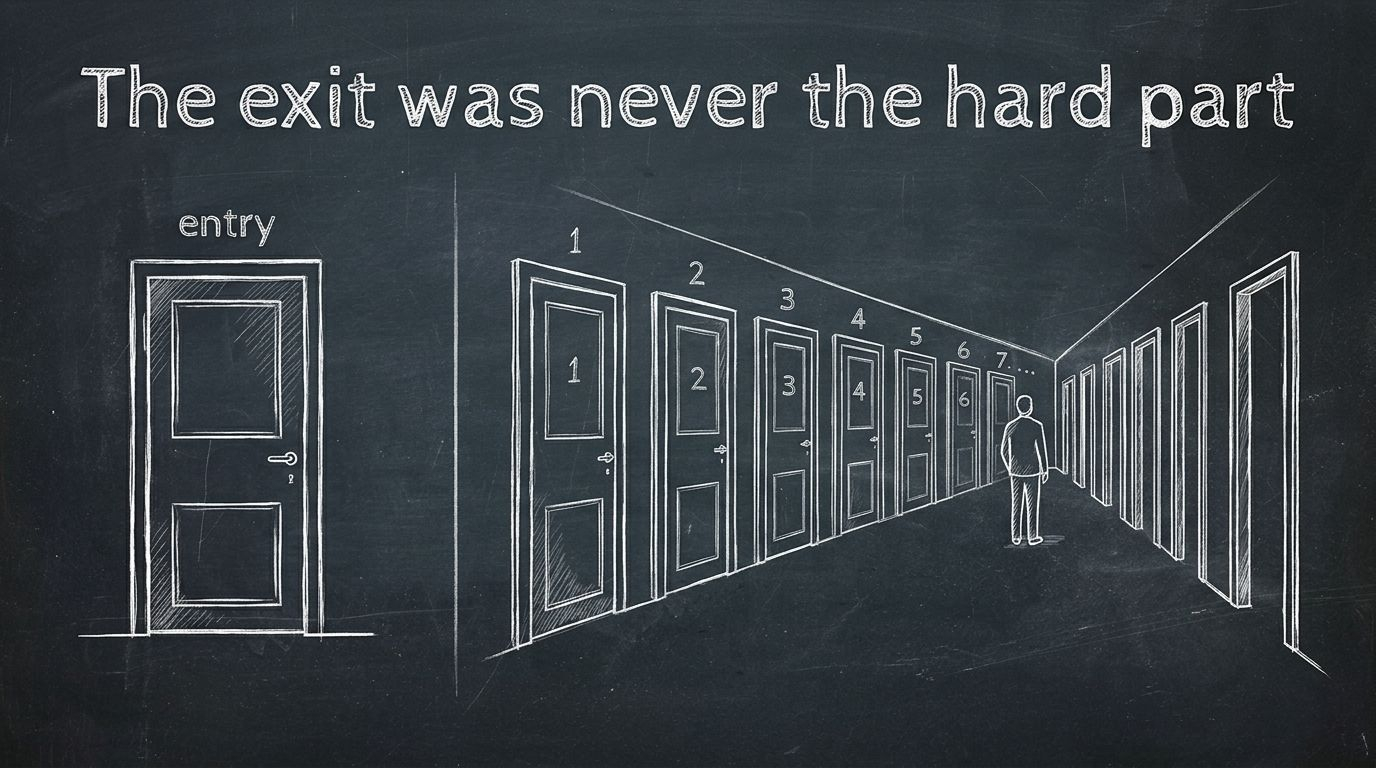
I think people dramatically underestimate what lock-in looks like when it is built from trust rather than switching fees.
The dominant mental model in crypto is still transactional. You pay gas, you get an output, you move on. Networks are evaluated on TVL, on throughput, on token price. What $SIGN is building doesn't fit comfortably inside that frame. The value isn't in any single verification. It's in the accumulation of verifications that become mutually reinforcing -- institutions referencing each other's attestations, apps building conditional logic on top of verified identity states, users whose on-chain history becomes increasingly difficult to replicate elsewhere. That's not linear growth. That's a topology where the cost of leaving rises with every interaction you complete inside it.
#SignDigitalSovereignInfra and the team behind @SignOfficial have spoken about this in the language of infrastructure, which is accurate but slightly too neutral. Infrastructure implies passivity -- pipes, roads, rails. What this actually resembles is something closer to a standard. And standards, once adopted at sufficient depth, don't compete on features anymore. They compete on the cost of abandonment.
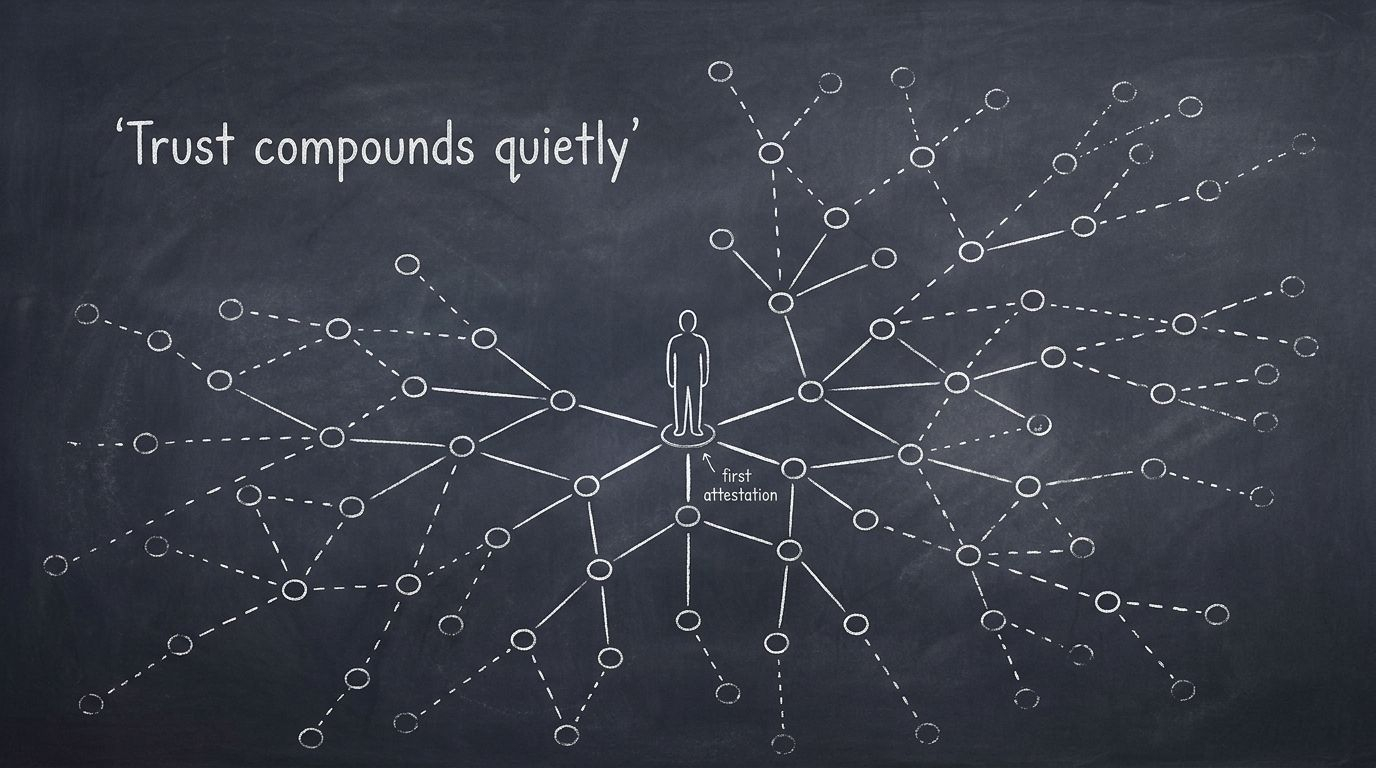
What I keep returning to is the question of who understands this early. The users interacting with SIGN-verified applications right now are, in most cases, not making a conscious choice to enter a credentialing network. They are completing a task -- accessing a platform, claiming an airdrop, verifying a wallet for a specific function. The network effect is accumulating around them without their explicit awareness of it. That isn't manipulation. But it is a design outcome with long-term consequences that the average participant isn't pricing in at the moment of first contact.
I have watched enough protocol cycles to know that the ones that achieve genuine lock-in rarely announce it. They make themselves useful first. They make themselves necessary second. By the time the third stage arrives -- where leaving costs more than staying -- the conversation has already moved on to something else. Whether $SIGN reaches that third stage depends on adoption depth I can't measure from the outside. But the architecture is clearly designed with that trajectory in mind.
The uncomfortable question I keep sitting with is this: at what point does a credentialing network that nobody can easily leave stop being infrastructure and start being something that requires a different kind of accountability?