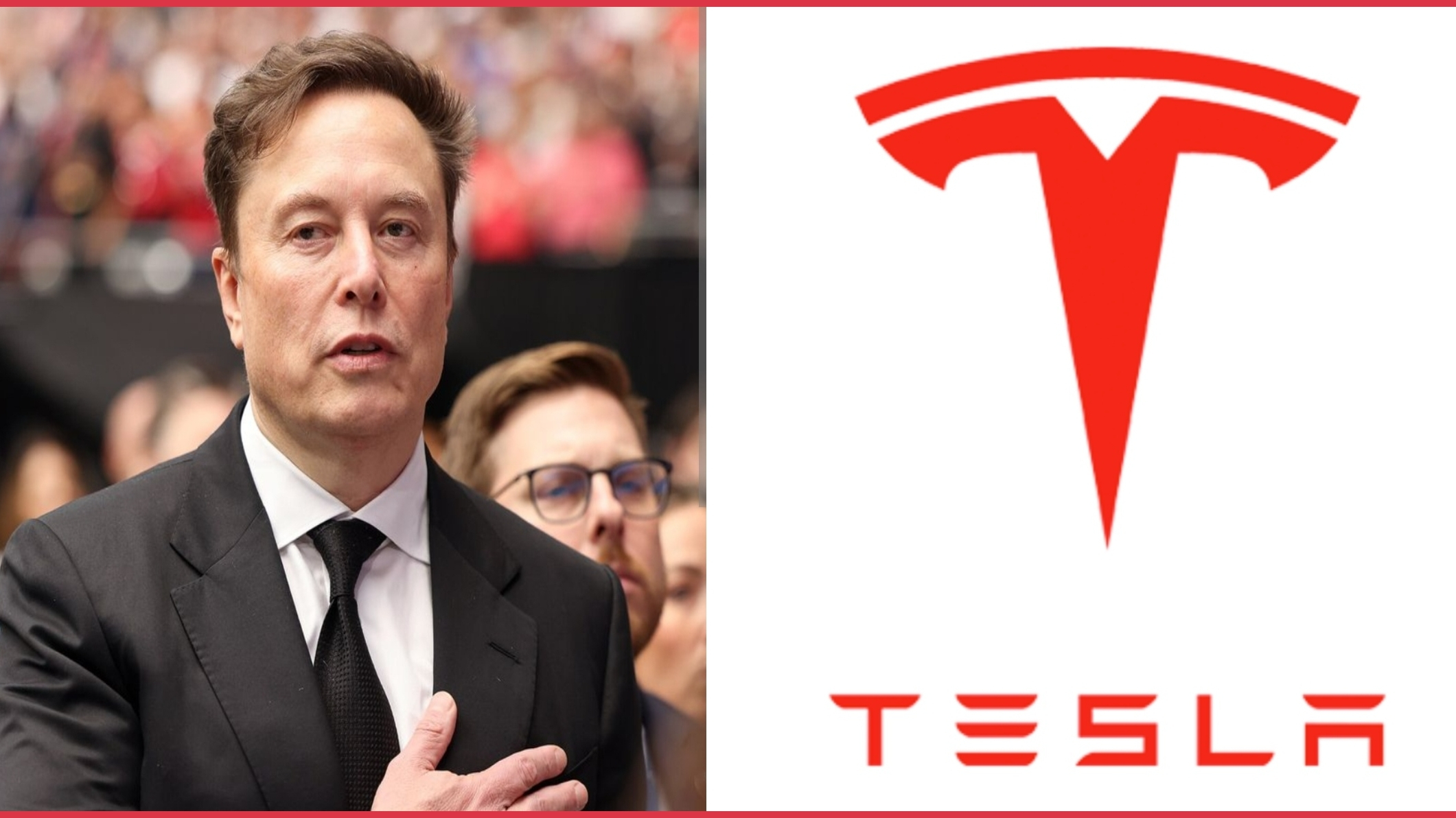
In recent weeks, Tesla, Inc. (NASDAQ: TSLA) has found itself in a familiar yet critical position—caught between short-term operational pressure and long-term transformative ambition. The stock’s latest movements reflect a market struggling to reconcile these two opposing forces.

A Disappointing Quarter Sparks Concern
Tesla’s first-quarter delivery numbers came in below expectations, signaling a slowdown in demand that investors can no longer ignore. The miss has amplified concerns about weakening global EV demand, intensified price competition, and saturation in key markets. As a result, TSLA has faced notable downside pressure, with analysts revising price targets and reassessing near-term growth assumptions.
This is not just a Tesla সমস্যা—it reflects a broader shift in the electric vehicle landscape. Competition, particularly from Chinese manufacturers, has reached a level where pricing power is no longer guaranteed. Margins are tightening, and the once straightforward EV growth narrative is becoming more complex.

Signs of Resilience Beneath the Surface
Despite the headline weakness, underlying data tells a more nuanced story. Tesla has shown pockets of strength in key international markets, with vehicle registrations rebounding sharply in regions like Europe. This suggests that demand has not disappeared—it may simply be more price-sensitive and regionally fragmented.
Notably, prominent institutional investors continue to accumulate $TSLA shares during periods of weakness. This behavior indicates a segment of the market still believes in Tesla’s long-term thesis, viewing current levels as an attractive entry point rather than a structural decline.
The Next Growth Lever: Affordable EVs
One of the most important developments is Tesla’s reported progress toward launching a more affordable, compact electric vehicle. This move could be pivotal.
For years, Tesla has dominated the premium EV segment. However, the next phase of global adoption will be driven by affordability. A lower-cost Tesla model could significantly expand the company’s addressable market, especially in emerging economies and cost-sensitive regions.
If executed effectively, this strategy could reignite volume growth and reposition Tesla competitively against lower-cost rivals.
From EV Maker to AI Powerhouse
Perhaps the most underappreciated aspect of Tesla’s story is its aggressive pivot toward artificial intelligence and autonomous driving. With continuous improvements to its Full Self-Driving (FSD) software, Tesla is gradually shifting its identity—from a car manufacturer to a technology and AI platform.
The implications are massive.
Autonomous driving, if fully realized, could unlock high-margin revenue streams through robotaxi networks, software subscriptions, and data monetization. This is why some investors continue to assign Tesla a premium valuation despite near-term earnings pressure.
In essence, the market is no longer just pricing Tesla as an automaker—but as a potential leader in AI-driven mobility.
Regulatory Relief Adds Stability
Adding to the mixed but stabilizing outlook, U.S. regulators have recently closed an investigation into Tesla’s driver-assistance systems following software updates. This reduces a key overhang that had previously contributed to uncertainty around the company’s autonomous ambitions.
Conclusion: A Narrative in Transition
Tesla is no longer a simple growth story.
It is evolving into a multi-layered investment case—where short-term fundamentals may appear weak, but long-term optionality remains compelling. The current phase can best be described as a narrative transition:
From EV hyper-growth → to competitive normalization
From hardware dominance → to AI and software monetization
For investors, the key question is no longer whether Tesla can sell cars—but whether it can successfully redefine itself as a leader in the next generation of intelligent transportation.
And right now, the market hasn’t fully made up its mind.