Tình hình hiện tại giữa Hoa Kỳ và Iran đang ở một bước ngoặt quan trọng sau một tuần hành động quân sự đầy cam go và ngoại giao căng thẳng.$XRP
Dưới đây là cái nhìn tổng quát về cuộc xung đột tính đến ngày 15 tháng 4 năm 2026.#TrumpCryptoSupport
Tình Trạng Xung Đột Hiện Tại (tháng 4 năm 2026)
Cuộc xung đột, đã leo thang đáng kể vào cuối tháng 2 năm 2026, đã bước vào một giai đoạn "ngừng bắn không ổn định." Trong khi một thỏa thuận ngừng bắn kéo dài hai tuần đã được Pakistan trung gian vào ngày 8 tháng 4, căng thẳng vẫn còn cao do các cuộc đàm phán thất bại và một cuộc phong tỏa hàng hải mới.
Lệnh Phong tỏa Hải quân
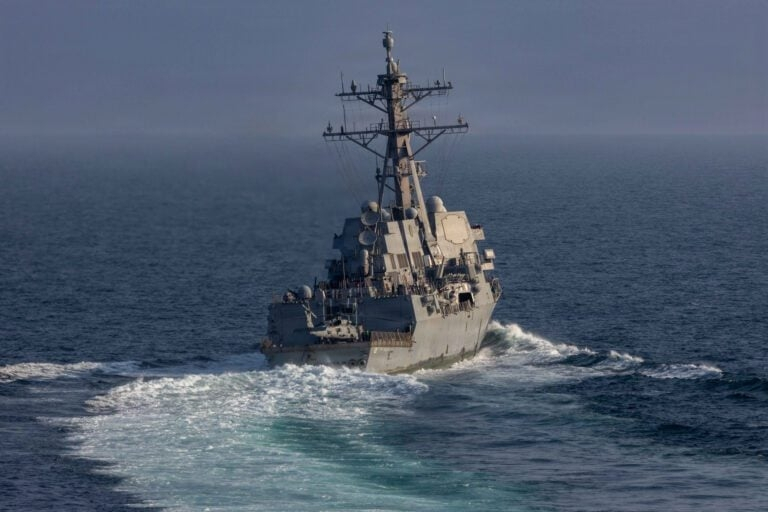
Sau khi các cuộc đàm phán hòa bình ở Islamabad không thành công vào cuối tuần qua, Tổng thống Donald Trump đã ra lệnh phong tỏa hải quân Mỹ đối với các cảng của Iran, chính thức có hiệu lực vào ngày 13 tháng 4.
Nhiệm vụ: Hải quân Mỹ giờ đây được phép chặn bất kỳ tàu nào ở vùng biển quốc tế có điểm đến hoặc xuất phát từ cảng của Iran.
Cuộc xung đột "Mức phí": Mỹ đã nhắm mục tiêu cụ thể vào các con tàu đã trả "mức phí" cho Iran để đi qua Eo biển Hormuz.
Phản ứng của Iran: Các quan chức quân sự Iran đã cảnh báo rằng nếu cảng của họ bị chặn, "không cảng nào trong khu vực sẽ an toàn" trước sự trả đũa.
Các Cuộc Đàm Phán Hòa Bình ở Islamabad
Pakistan đã nổi lên như một trung gian trung tâm, với Tướng Lục quân Asim Munir dẫn dắt các nỗ lực ngoại giao.
Cuộc "Bỏ đi của Vance": Các cuộc đàm phán đã gặp phải một trở ngại lớn khi Phó Tổng thống Mỹ JD Vance rời khỏi các cuộc thương thuyết vào ngày 12 tháng 4, viện lý do Iran từ chối đưa ra một "cam kết tích cực" để chấm dứt chương trình hạt nhân của mình.
Đường đỏ: * Mỹ. yêu cầu một thời gian tạm hoãn 20 năm đối với việc làm giàu uranium và loại bỏ kho dự trữ uranium được làm giàu cao (HEU) của Iran.$BTC
Iran yêu cầu giải phóng tài sản bị phong tỏa, rút quân Mỹ khỏi khu vực, và bồi thường chiến tranh.
.
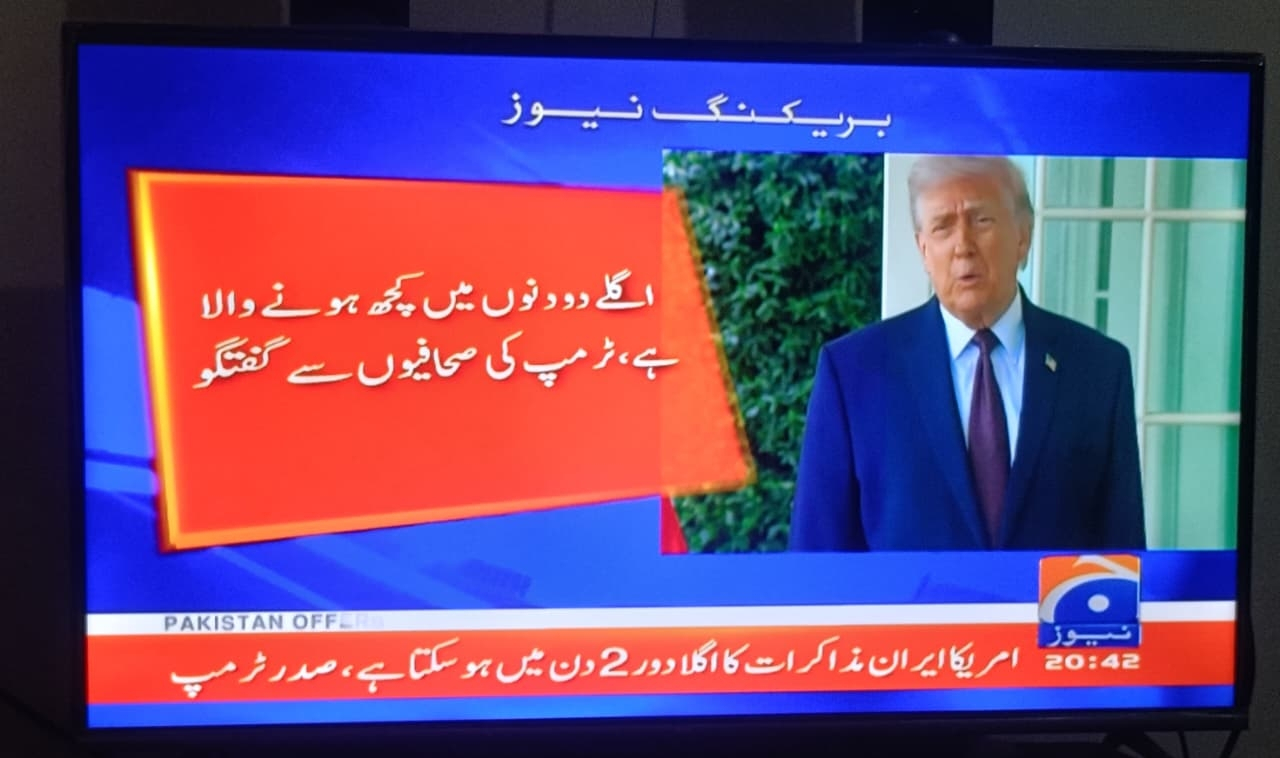
Bước tiếp theo: Dù tình thế bế tắc, Tổng thống Trump đã gợi ý vào ngày 14 tháng 4 rằng các cuộc đàm phán có thể nối lại ở Islamabad trong vòng 48 giờ tới, ca ngợi nỗ lực của trung gian.
Tác động Kinh tế và Toàn cầu
Cuộc chiến đã gây ra những gợn sóng đáng kể trong nền kinh tế toàn cầu, chủ yếu do việc đóng cửa Eo biển Hormuz.
Dầu mỏ và Năng lượng: Giá dầu toàn cầu đã tăng vọt, và chi phí bảo hiểm vận chuyển đã leo thang. Các tổ chức tài chính như IMF đã cảnh báo rằng việc đóng cửa kéo dài Eo biển có thể kích hoạt một cuộc suy thoái toàn cầu.
Gián đoạn Vận chuyển: Khoảng 20.000 thủy thủ hiện đang được báo cáo là "bị mắc kẹt" tại Vịnh Ba Tư do lệnh phong tỏa hải quân và sự hiện diện của mìn dưới biển.
An ninh Lương thực: LHQ đã cảnh báo rằng việc gián đoạn xuất khẩu phân bón từ khu vực đang bắt đầu làm trầm trọng thêm tình trạng thiếu hụt lương thực toàn cầu.
Các Nhân Tố Chính và Liên Minh