
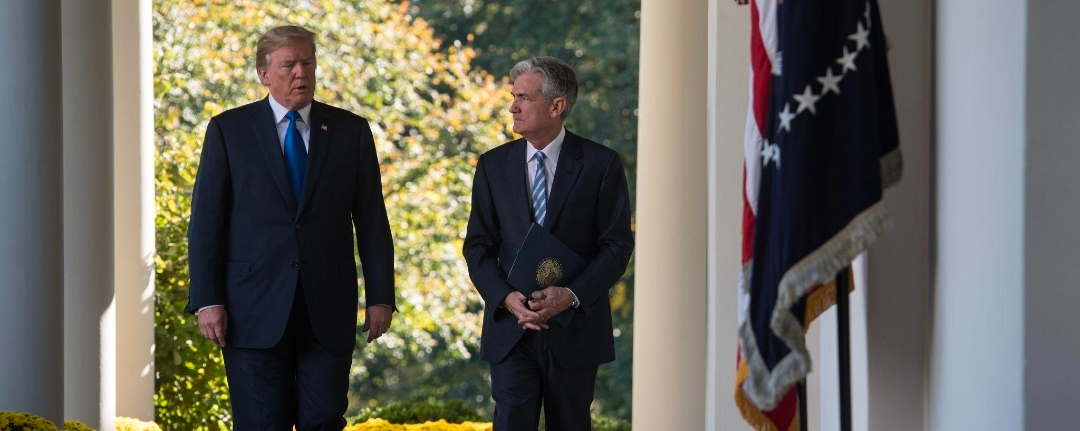
In a dramatic escalation of tensions within U.S. economic leadership, Donald Trump has threatened to remove Federal Reserve Chair Jerome Powell if he does not step down when his term ends in May 2026.
The warning comes amid a long-running conflict between Trump and the Federal Reserve over interest rate policy. Trump has repeatedly criticized Powell for maintaining higher interest rates, arguing that they slow economic growth and place pressure on businesses and consumers.
This latest statement marks one of the most direct challenges yet to the independence of the Federal Reserve, an institution traditionally shielded from political influence to ensure stable economic decision-making.
The clash between Trump and Powell is not new. During Trump’s time in office, disagreements over monetary policy frequently surfaced. While Trump favored lower interest rates to stimulate economic expansion, the Federal Reserve maintained a more cautious approach, focusing on inflation control and long-term stability.
Adding to the controversy is an ongoing investigation by the Department of Justice into renovation costs at the Fed’s headquarters. Critics suggest the probe could be politically motivated, further intensifying the already strained relationship between the administration and the central bank.
Trump has also hinted at a possible replacement, naming former Fed official Kevin Warsh as a preferred candidate. However, any appointment would require Senate confirmation, which could face delays and political resistance.
Legal experts note that removing a Federal Reserve chair is not straightforward. The president would likely need to demonstrate clear cause, meaning any attempt to dismiss Powell could trigger a significant legal and constitutional dispute.
Economists warn that continued pressure on the Federal Reserve could unsettle financial markets, as investor confidence often relies on the central bank’s independence from political interference.
As the deadline for Powell’s term approaches, the situation remains uncertain. The outcome may not only shape the future leadership of the Federal Reserve but also set a precedent for the balance of power between political leaders and independent economic institutions.