
@Pixels I remember the moment I realized most new game launches in Web3 were not built to last. I would join a fresh title, farm for a few weeks, watch the token price move, and then see the economy slowly deflate as rewards became too easy and players moved on. It happened often enough that I started paying attention to what actually protected a player’s wallet over time.
That is when I began looking closer at Pixels and the system they quietly built behind it called Stacked.
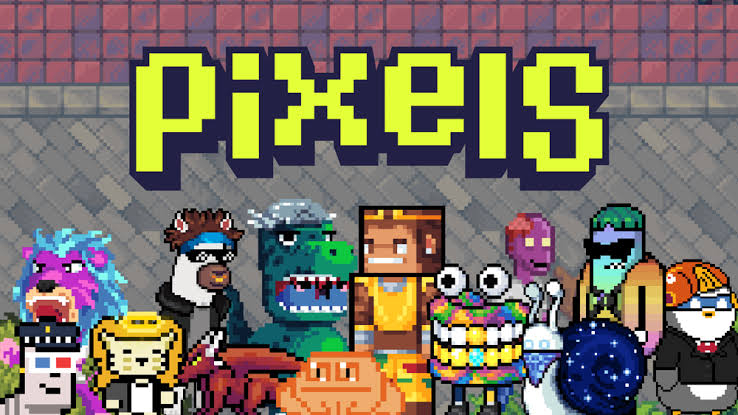
I have spent real time in Pixels. It is a calm social farming game on the Ronin Network where you plant, build, explore, and connect with others. The world feels personal. You tend your land, raise animals, and create small things that belong to you.
What kept me coming back was not sudden big rewards. It was the steady feeling that the game was not going to collapse under its own economy. Many other crypto games I tried could not say the same.
They launched with excitement, handed out tokens freely, attracted farmers and bots, and eventually left loyal players with less value than they started with.
Stacked matters more for your wallet because it addresses the hard part that most new games ignore. It is not another game. It is the rewarded LiveOps engine the Pixels team developed after years of running their own system in production.
They processed hundreds of millions of rewards across millions of players. That volume forced them to solve real problems most projects only talk about: how to give rewards without breaking the economy, how to stop bots without punishing real players, and how to make sure the money spent on growth actually improves long-term retention instead of disappearing.
I think about infrastructure the way an architect does. You can design a beautiful house, but if the foundation cannot handle rain and wind, it will crack. Early Web3 games often built pretty experiences on weak foundations. They focused on the next launch, the next token, the next event.
Stacked came from fixing cracks that appeared under daily use. The team learned which reward moments actually kept players engaged past day seven, which actions linked to spending inside the game, and which patterns signaled someone might leave soon.
They turned those lessons into a system that targets the right reward to the right player at the right time and then measures whether it lifted retention, revenue, or lifetime value.
That measurement piece is quiet but powerful for your wallet. When a studio knows a specific reward increased how long people stayed and how much they invested, they can repeat what works and stop what does not.
More of the budget that used to go to external ad platforms can flow directly to players who show real engagement. In Pixels this approach helped generate substantial revenue, reported around twenty-five million dollars or more from the rewarded systems they refined.
The money did not come from one hype cycle. It came from making the reward loop sustainable so players kept returning and contributing.
For your wallet Stacked changes the risk. Instead of hoping the next new game launch succeeds before its token crashes, you can participate in an ecosystem where rewards are tied to infrastructure that has already been tested at scale.
$PIXEL sits at the center of this. It began as the main token inside Pixels for progression and staking. With Stacked it gains a larger role as a cross-game loyalty and rewards currency. As more titles join the ecosystem, Pixel has more ways to be used and earned for meaningful actions. This expansion is not theoretical. It builds on the same engine that already powers rewards in Pixels, Pixel Dungeons, and Chubkins.
I respect how the team kept the focus on real player behavior. Rewards in Pixels come from farming, creating, exploring, and social interactions that fit the casual nature of the game. There are no endless repetitive tasks that feel like work. The system encourages actions that make the world more enjoyable to live in.
When you earn $PIXEL or other rewards, it feels connected to progress you actually care about rather than artificial grinding. That alignment protects value over time because the economy serves the game instead of the game serving the token.
The AI game economist layer inside Stacked adds another practical layer. It studies groups of players and points out patterns worth testing. It might notice that certain dedicated farmers slow down in a specific week and suggest a small targeted boost. Studios can run the experiment inside the same platform and see clear results. This speed from insight to action helps keep economies balanced without constant manual tuning.
In my experience most projects lack this kind of closed loop. They guess, launch broad campaigns, and hope. Stacked lets teams learn and adjust with data they trust because it comes from their own live environment.
What makes Stacked stand out for your wallet is its focus on sustainability over short-term excitement. Many new game launches chase rapid user growth and quick token pumps. They spend heavily on marketing but often see most of that money leave the system when players cash out and move on.
Stacked redirects more of that spending directly to engaged users in ways that can be measured. If a reward improves retention and lifetime value, the studio benefits and players benefit. The loop becomes positive instead of extractive.
I have watched enough systems to know this does not happen by accident. It requires strong fraud prevention and behavioral analysis built over years. Bots and farmers test every weakness daily. The Pixels team faced those tests while running their own game and built defenses that work without making the experience worse for real players. That kind of resilience takes time. You cannot copy it from a whitepaper. It must be earned in production.
As someone who thinks about infrastructure first, I see Stacked as the part that actually protects long-term value. A beautiful new game might attract attention for a month, but without solid reward infrastructure it risks the same fate as many before it.
Pixels showed that a social farming game can grow steadily when its backend is designed to last. Stacked packages those lessons so the ecosystem can expand to other titles without weakening the core.
For your wallet this means participating in something more stable. You can still enjoy the farming, exploration, and social side of Pixels. At the same time, the rewards you earn sit inside a system that has been refined through real use.
$PIXEL gains utility across multiple games instead of depending on the success of one title. The entire setup encourages deeper engagement because rewards support the activities that make the world worth returning to.
I believe this is why Stacked matters more than chasing the next shiny launch. It addresses the difficult, unglamorous work of keeping economies healthy day after day. It turns player data into actionable improvements. It makes sure more value reaches the people who actually play and build rather than those who only extract.
And it does all of this while staying grounded in what has already been proven inside a live game with millions of players.
The next new game might look exciting on launch day. But I have learned to look at what sits underneath. Stacked represents years of fixing what usually breaks. For anyone who wants their time and earnings in Web3 gaming to hold value longer, that foundation deserves more attention than another headline launch.
I keep coming back to Pixels not because of promises but because the system behind it feels built to continue. That quiet reliability is what I look for when I think about protecting my wallet in this space.