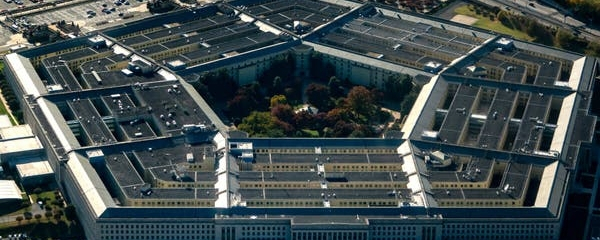

The current geopolitical climate is forcing a radical rethink of how we build for national defense. As we navigate 2026, the strain on U.S. munitions stockpiles—exacerbated by ongoing conflicts in Ukraine and Iran—has reached a critical "borrowed time" scenario. In response, the Pentagon is looking beyond traditional defense contractors and turning to a familiar historical ally: The American Auto Industry.
Recent high-level talks between the Department of Defense, Ford, and General Motors signal a shift toward a more agile, commercial-first procurement strategy. Here is an analysis of why this move is happening now and what it means for the future of manufacturing:
The Strategy: Efficiency Over "Exquisite" Systems
For decades, the defense industrial base has focused on "exquisite" systems—highly specialized, high-cost hardware produced at low volumes. The Trump administration is now pivoting toward "off-the-shelf" components and commercial scalability.
The Goal: To bypass the years-long wait times currently required to replenish hardware like Patriot missile interceptors.
The Pivot: Rather than asking automakers to build entire tanks or jets, the Pentagon is eyeing them for high-volume component manufacturing—munitions parts, vehicle frames, and hardware that benefit from automotive mass-production lines.
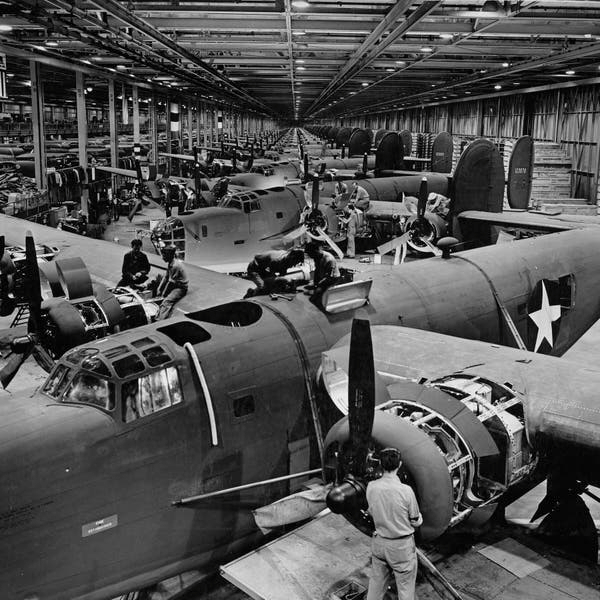
Leveraging Modern Tech: 3-D Printing and Scale
The lessons learned during the COVID-19 pandemic, where Ford and G.M. rapidly pivoted to ventilators, proved that Detroit’s "muscle memory" for crisis mobilization is still intact.
Additive Manufacturing: The military is increasingly leaning on 3-D printing to bridge the gap. Companies like Stratasys are already qualifying 3-D printed parts for military use, offering a way to bypass traditional tooling delays.
The Challenge: The success of this initiative hinges on "design for manufacturability." If the Pentagon can’t adjust its rigid military specifications to fit existing automotive machinery, the transition will stall before it begins.
The Global Economic Ripple
This isn't just a military story; it's a global economic one. With the Strait of Hormuz under pressure and the IMF warning of a potential global recession due to energy disruptions, the push to domesticate and accelerate production is a matter of economic resilience as much as national security.
The Verdict
We are seeing the birth of a hybrid industrial model. By blending the cutting-edge tech of the commercial sector with the requirements of the Department of War, the U.S. aims to revitalize a stagnant defense sector. Whether Detroit can once again become the "Arsenal of Democracy" depends on how quickly the Pentagon can cut through its own red tape.
#NationalSecurity #DefenseTech #Manufacturing #SupplyChain #AutomotiveIndustry