
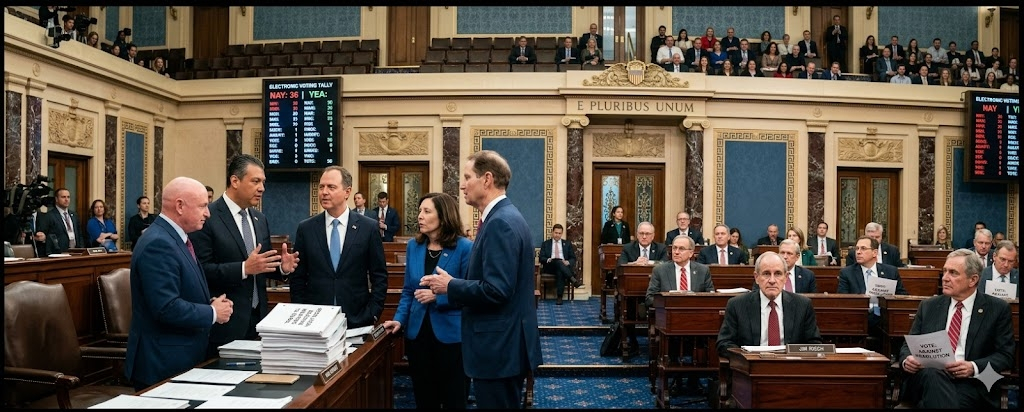
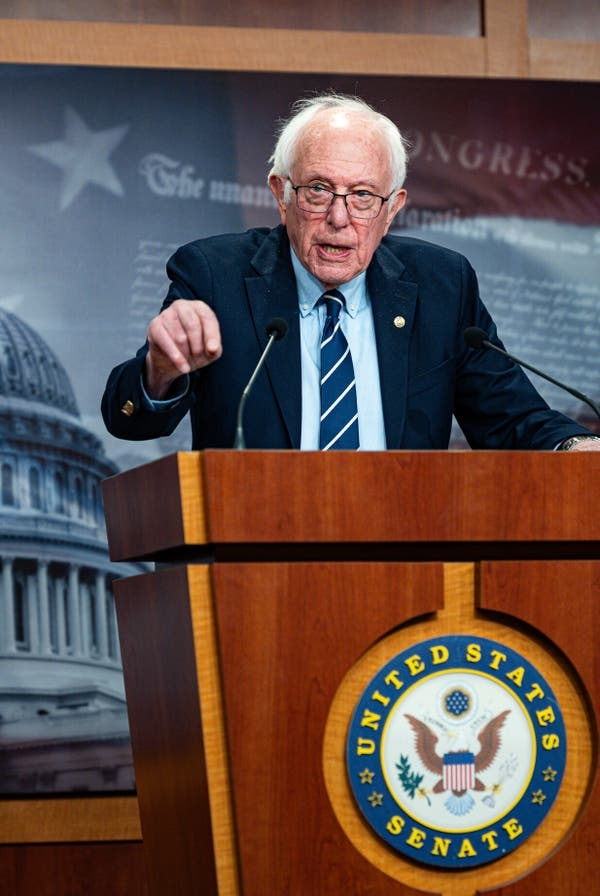
The political landscape in Washington is shifting significantly as the conflict in the Middle East expands. This week’s Senate vote, while ultimately blocking the bid to cancel arms sales to Israel, revealed a "widening rift" within the Democratic party that signals a departure from decades of bipartisan consensus on military aid.
Key Takeaways from the Recent Vote
Growing Opposition: For the first time, nearly three-quarters of Senate Democrats (36 to 40 members, depending on the specific measure) voted to block sales of high-payload bombs and armored bulldozers.
The "Converts": High-profile moderates and traditional supporters of Israel—including Senators Mark Kelly, Alex Padilla, and Adam Schiff—have shifted their stance, citing concerns over a lack of clear strategy and legal authorization for the expanding war against Iran.
The Trump-Netanyahu Factor: Critics in the Senate are increasingly vocal about the lack of congressional oversight regarding operations launched by the Trump administration in coordination with Prime Minister Netanyahu.
Global Consequences: Beyond the Capitol, the conflict is triggering a global energy crisis. With the Strait of Hormuz under pressure and the IMF warning of a global recession, the domestic political appetite for "unchecked" military support is reaching a breaking point.
What This Means for U.S. Foreign Policy
This isn't just a progressive protest anymore. When mainstream Democrats and former military officials like Senator Mark Kelly begin to question the strategic value of current arms transfers, the "business as usual" approach to Middle East diplomacy is effectively over. The shift suggests that future military aid will likely come with much stricter transparency requirements and humanitarian conditions.
As the humanitarian crisis in Gaza and Lebanon continues to draw international condemnation—highlighted by Italy’s recent suspension of its defense pact with Israel—the U.S. finds itself at a crossroads: maintain traditional alliances at any cost or pivot toward a more conditional, diplomatically-focused strategy.
#USPolitics #MiddleEastConflict #SenateVote #ForeignPolicy #BreakingNews


