
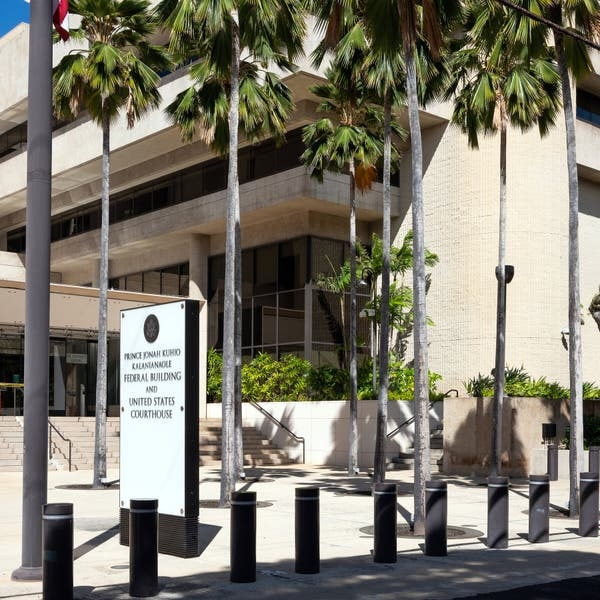
The legal tug-of-war between federal authority and state-led climate initiatives reached a significant milestone this week. Senior Judge Helen Gillmor of the U.S. District Court in Hawaii dismissed—with prejudice—the Justice Department’s attempt to pre-emptively block Hawaii from suing major oil companies.
This ruling marks a definitive failure for the administration's "pre-emptive strike" strategy. By attempting to sue states before they could even file their own discovery-based claims against fossil fuel giants, the Justice Department entered uncharted legal waters. Judge Gillmor’s decision was blunt: the federal government cannot block state-court lawsuits simply because they might interfere with the executive branch's policy goals. She characterized the government’s claims as "speculative" and "theoretical," noting that a state’s intent to sue does not constitute concrete harm to the United States.
Why This Matters Now
This isn’t just a win for Hawaii; it’s a blueprint for state autonomy in environmental law. Similar attempts to stifle litigation in Michigan were also recently dismissed, signaling that the federal courts are currently unwilling to expand the doctrine of federal supremacy to shield private corporations from state-level deceptive marketing and consumer protection claims.
While the Trump administration continues its push for "energy supremacy" through executive orders, the judiciary is reinforcing the "longstanding policy against federal intervention in state judicial processes." For now, the path is clear for states to pursue damages for the mounting costs of climate change adaptation—provided their focus remains on state-level harms like deceptive marketing rather than direct federal regulation of interstate pollution.
Key Takeaways
Finality: The dismissal "with prejudice" means the federal government cannot refile this specific challenge against Hawaii.
Strategic Shift: Hawaii’s lawsuit successfully pivots from "regulating emissions" (a federal domain) to "deceptive marketing" (a state domain), a nuance that protected it from federal pre-emption.
The Boulder Factor: All eyes now turn to the U.S. Supreme Court's upcoming review of a Colorado case, which will likely set the national standard for whether these climate suits can proceed to trial.
#ClimateLitigation #EnvironmentalLaw #Hawaii #FederalCourts #EnergyPolicy


