
@Pixels Tôi vẫn nhớ lần đầu tiên khi mọi thứ có vẻ không ổn, mặc dù không có gì rõ ràng bị hỏng cả. Các bảng điều khiển trông có vẻ khỏe mạnh, token vẫn đang chảy, và người chơi vẫn đang đăng nhập như thường lệ. Từ bên ngoài, mọi thứ dường như còn nguyên vẹn. Nhưng bên dưới, năng lượng đã thay đổi theo một cách khó giải thích lúc đầu. Mọi người không còn thực sự chơi nữa. Họ đang khai thác. Tối ưu hóa. Lấy những gì họ có thể và tiếp tục. Nó không cảm giác như một sự sụp đổ, chỉ là một quá trình dần dần mất đi mục đích. Và khi nhìn lại, sự thay đổi nhẹ nhàng đó giải thích nhiều hơn bất kỳ cú sụp đổ nào.
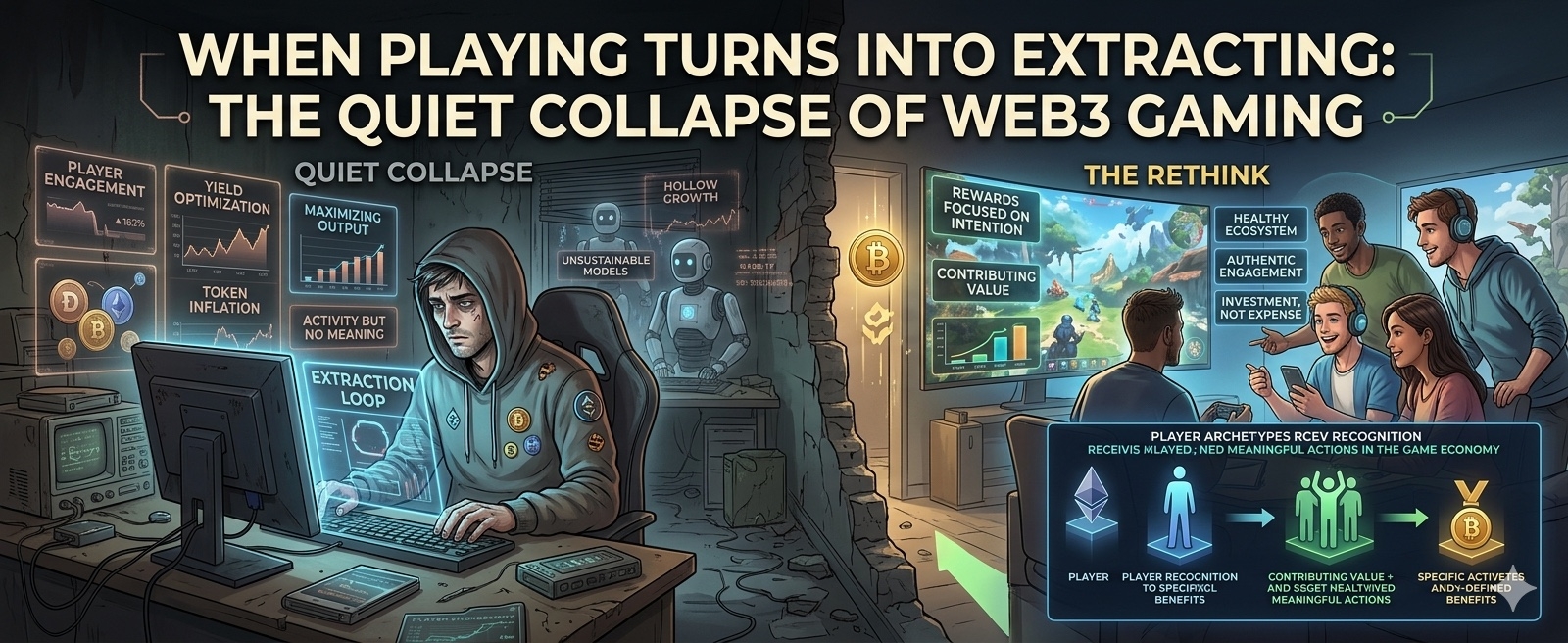
Thật dễ dàng để chỉ ra các điều kiện thị trường là nguyên nhân. Thị trường gấu tạo ra một kẻ thù thuận tiện. Nhưng sự thật là, những vết nứt đã xuất hiện từ lâu trước khi giá cả giảm. Các hệ thống bản thân chúng được xây dựng theo cách không thể giữ vững. Các mô hình phần thưởng sớm tập trung vào sự bao gồm hơn là ý định. Ai cũng có thể kiếm được, điều đó nghe có vẻ công bằng trên giấy tờ, nhưng nó đã bỏ qua một điều cơ bản. Không phải mọi người tham gia đều đóng góp theo cùng một cách. Một số người chơi quan tâm đến trải nghiệm. Những người khác đơn giản chỉ ở đó để tối đa hóa đầu ra. Khi cả hai được đối xử bình đẳng, hệ thống không giữ được cân bằng lâu.
Đó là nơi mọi thứ bắt đầu bị rối. Bởi vì một khi các phần thưởng được phân phối mà không có ngữ cảnh, hành vi bắt đầu lệch lạc. Hệ thống bắt đầu thu hút những ai giỏi nhất trong việc khai thác nó, không phải những ai trân trọng nó. Tỷ lệ giữ chân giảm, nhưng không theo cách kịch tính. Nó phai nhạt. Và khi bạn nhìn kỹ hơn, bạn nhận ra nhiều người dùng đó chưa bao giờ thực sự tham gia ngay từ đầu. Họ đang phản ứng với các động lực, chứ không phải với chính trò chơi. Hoạt động thì nhiều, nhưng ý nghĩa thì ít.
Từ đó, mọi thứ leo thang nhanh chóng. Những gì bắt đầu từ vài người chơi cơ hội biến thành một điều gì đó lớn hơn nhiều. Toàn bộ mạng lưới xuất hiện, xây dựng xung quanh tự động hóa và quy mô. Khi một người có thể mô phỏng hàng chục người dùng, toàn bộ sự cân bằng của hệ sinh thái bị thay đổi. Đột nhiên, phần thưởng không còn gắn liền với sự tham gia thực tế nữa. Chúng gắn liền với bất kỳ ai có thể khai thác hiệu quả nhất. Và vì hệ thống cho phép điều đó, hành vi đó trở nên thống trị.
Bề ngoài, mọi thứ vẫn trông giống như sự tăng trưởng. Nhiều ví hơn, nhiều giao dịch hơn, nhiều chuyển động hơn. Nhưng bên dưới, nó trống rỗng. Các con số ngừng phản ánh thực tế. Những gì trông giống như sự mở rộng thực sự là sự pha loãng. Giá trị đang rò rỉ ra nhanh hơn so với việc nó được tạo ra, và không ai thực sự nhận thấy cho đến khi quá muộn.
Đây là lý do tại sao ngay cả những dự án lớn nhất cũng không thể duy trì vị thế của họ. Khi phần thưởng liên tục được bơm vào mà không gắn bó với giá trị thực, lạm phát trở thành điều không thể tránh khỏi. Ban đầu, cảm giác rất thú vị. Người chơi đang kiếm tiền, động lực gia tăng, mọi thứ có vẻ đang hoạt động. Nhưng theo thời gian, chính hệ thống đó bắt đầu tự erode. Càng phát ra nhiều, phần thưởng đó càng ít có ý nghĩa. Và vì không có sự điều chỉnh tích hợp, sự mất cân bằng cứ tiếp tục gia tăng cho đến khi hệ thống không thể tự hỗ trợ nữa.
Điều làm cho nó trở nên tồi tệ hơn là sự thiếu minh bạch. Hầu hết các nhóm thực sự không biết liệu hệ thống phần thưởng của họ có hiệu quả hay không. Các token đang được phân phối, nhưng có rất ít sự hiểu biết về những gì các token đó đang đạt được. Người chơi có ở lại lâu hơn không? Họ có tham gia nhiều hơn không? Họ có đóng góp theo những cách có ý nghĩa không? Thiếu câu trả lời rõ ràng, các động lực trở thành sự đoán. Và ở quy mô lớn, sự đoán biến thành một vấn đề rất tốn kém.
Sự không chắc chắn đó không chỉ ảnh hưởng đến nền kinh tế, mà còn thay đổi chính các trò chơi. Các phần thưởng bắt đầu chiếm ưu thế trong trải nghiệm. Thay vì hỗ trợ gameplay, chúng bắt đầu định nghĩa nó. Người chơi đã thích nghi tương ứng. Họ tập trung vào bất kỳ hành động nào tạo ra lợi nhuận cao nhất, ngay cả khi những hành động đó không thú vị. Theo thời gian, trải nghiệm đã phẳng đi thành những vòng lặp lặp đi lặp lại. Hiệu suất thay thế sự tò mò. Và một khi điều đó xảy ra, thật khó để quay lại.
Bạn có thể nghe thấy điều đó trong cách mọi người nói về những trò chơi này. Ngôn ngữ đã thay đổi. Nó không còn là về chiến lược hay sự sáng tạo nữa. Nó là về lợi suất. Về tối ưu hóa. Về thời gian thoát. Và khi phần thưởng cuối cùng chậm lại, ảo tưởng biến mất gần như ngay lập tức. Người chơi không ở lại, vì không có đủ điều gì đó bên dưới các động lực để giữ họ lại.
Điều theo sau không có gì bất ngờ, ngay cả khi nó cảm thấy đột ngột. Các hệ thống phụ thuộc vào sự tăng trưởng liên tục cuối cùng đã hết động lực. Những người chơi mới ngừng đến với cùng một tốc độ, nhưng phần thưởng vẫn tiếp tục được phát ra. Và không có sự cân bằng, toàn bộ cấu trúc bị đảo ngược. Những gì từng cảm thấy bền vững đột nhiên không còn. Nhưng thực tế, nó đã được xây dựng hướng tới điểm đó từ trước.
Bây giờ, sự chuyển mình thú vị hơn đang xảy ra trong cách mọi người bắt đầu suy nghĩ lại vấn đề. Thay vì tập trung vào việc phân phối bao nhiêu, có một sự tập trung ngày càng tăng vào việc phần thưởng thực sự nên đi đâu. Sự thay đổi trong quan điểm đó quan trọng hơn nó có vẻ. Bởi vì một khi bạn bắt đầu đặt câu hỏi ai xứng đáng nhận được động lực và tại sao, bạn buộc phải hiểu hành vi ở một mức độ sâu hơn.
Giờ đây, việc theo dõi hoạt động không còn đủ nữa. Điều quan trọng là ý định. Người chơi có đang tham gia theo những cách củng cố trò chơi không? Họ có trở lại vì họ muốn, chứ không phải vì họ cảm thấy phải làm như vậy không? Họ có đang đóng góp vào điều gì đó bền vững không? Khi phần thưởng được căn chỉnh với những tín hiệu đó, chúng bắt đầu hoạt động khác đi. Chúng không còn là một khoản chi phí liên tục và bắt đầu trở thành một cái gì đó gần giống với một khoản đầu tư.
Điều đó cũng thay đổi cách các hệ thống đối phó với việc khai thác. Thay vì phản ứng sau khi đã gây thiệt hại, mục tiêu trở thành giảm cơ hội hoàn toàn. Nếu việc giả mạo sự tham gia khó khăn hơn, thì các động lực sẽ tự nhiên thay đổi. Việc nông nghiệp trở nên kém hấp dẫn hơn. Những người chơi thực đối mặt với ít cạnh tranh hơn từ hành vi nhân tạo. Và tín hiệu tổng thể trở nên rõ ràng hơn, điều đó làm cho mọi thứ khác dễ quản lý hơn.
Cũng có một nỗ lực ngày càng tăng để làm cho các hệ thống này thích ứng hơn. Thay vì khóa phần thưởng vào lịch trình cố định, các phương pháp mới hơn nhằm điều chỉnh chúng dựa trên các điều kiện thực tế. Nếu điều gì đó không hoạt động, nó có thể được sửa chữa. Nếu nền kinh tế bắt đầu trôi dạt, nó có thể được cân bằng lại. Sự linh hoạt đó giới thiệu một mức độ phản ứng mà trước đây đã thiếu. Nó không đảm bảo sự ổn định, nhưng làm cho điều đó dễ đạt được hơn.
Cùng lúc đó, có một sự nhấn mạnh mạnh mẽ hơn vào việc hiểu kết quả. Không chỉ những gì đang được phát ra, mà còn những gì đang được nhận lại. Vòng lặp phản hồi đó thay đổi mọi thứ. Nó cho phép các nhóm đưa ra quyết định dựa trên tác động thực tế thay vì các giả định. Và khi loại rõ ràng đó tồn tại, các hệ thống phát triển một cách có chủ ý hơn.
Cá nhân hóa thêm một lớp nữa cho sự chuyển mình này. Người chơi không phải ai cũng giống nhau, và việc đối xử với họ theo cách đó luôn là một giới hạn. Khi các hệ thống bắt đầu nhận ra các phong cách chơi khác nhau và thưởng cho chúng tương ứng, sự tham gia trở nên tự nhiên hơn. Nó cảm thấy ít như một giao dịch và nhiều hơn như sự công nhận. Sự khác biệt tinh tế đó có thể định hình lại cách người chơi liên hệ với chính trò chơi.
Ngay cả với tất cả những cải tiến này, một sự thật vẫn không thay đổi. Không có hệ thống nào có thể thay thế một trò chơi tốt. Các động lực có thể nâng cao trải nghiệm, nhưng chúng không thể tạo ra một trải nghiệm từ con số không. Nếu lõi không mạnh mẽ, người chơi sẽ cuối cùng rời đi, bất kể cách thức cấu trúc phần thưởng ra sao. Sự bền vững phụ thuộc vào cả hai bên làm việc cùng nhau, không phải bên này bù đắp cho bên kia.
Nhìn lại, cảm giác ban đầu đó giờ đây có ý nghĩa hơn. Đó không chỉ là một khoảnh khắc nghi ngờ, mà là một tín hiệu sớm. Các hệ thống vẫn chưa sụp đổ, nhưng chúng đã trôi xa khỏi những gì làm cho chúng có ý nghĩa. Người chơi không rời bỏ vì mọi thứ ngừng hoạt động. Họ rời đi vì những gì còn lại không còn cảm thấy xứng đáng với thời gian của họ.
Và có thể đó là bài học thực sự trong tất cả những điều này. Tương lai của trò chơi Web3 sẽ không được định nghĩa bằng việc nó có thể cho đi bao nhiêu, mà là bằng việc nó hiểu rõ như thế nào về lý do tại sao mọi người ở lại.
