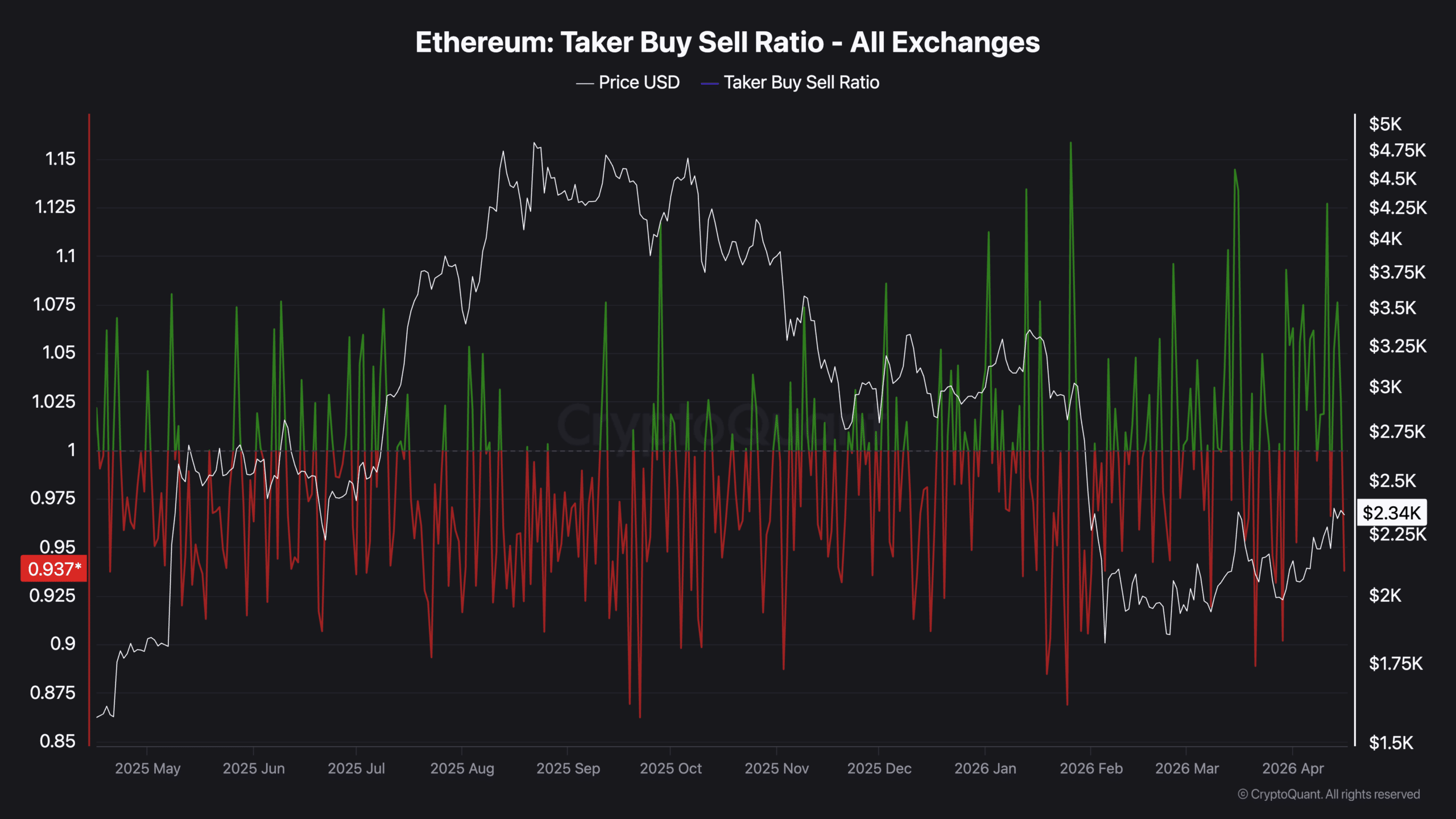

Ethereum is moving through one of those phases where surface-level activity looks strong, but the underlying structure tells a more conflicted story. Price action feels indecisive, momentum fades quickly, and every attempt at a sustained move higher runs into resistance. What’s happening beneath that is a clear split in behavior between long-term conviction and short-term hesitation.
On one side, large holders often referred to as whales are steadily accumulating. But they are doing it in the spot market, quietly absorbing supply without using leverage. This kind of behavior usually reflects patience and a longer investment horizon. These participants are not chasing quick upside; they are positioning themselves based on a broader thesis about Ethereum’s future value.
At the same time, the Futures market is telling a completely different story. Participation there remains dominated by smaller, retail-sized orders. The absence of consistent large-scale leveraged positions suggests that big players are not willing to take aggressive directional bets in the short term. That hesitation matters because leveraged markets are often what drive strong, impulsive price movements. Without them, rallies tend to lack follow-through.
This disconnect between spot accumulation and weak Futures conviction is creating the choppy environment we’re seeing now. Price moves up, but not with enough strength to sustain momentum. Traders take profits quickly, and selling pressure returns before any real breakout can develop.
A key metric highlighting this imbalance is the taker buy/sell ratio. Recently hovering below 1.0, it indicates that aggressive sellers are outweighing aggressive buyers. Even when the ratio briefly climbs above 1.0 during recovery attempts, it doesn’t hold. Selling pressure quickly re-enters the market, pushing the ratio back down and capping any upside.
This behavior reinforces the idea that short-term traders are actively selling into strength. Instead of supporting upward moves, they are using them as exit opportunities. That creates a ceiling effect, where price struggles to build momentum despite underlying accumulation.
Meanwhile, average order sizes in the spot market continue to reflect whale activity. Larger players are consistently stepping in during dips, absorbing liquidity and building positions. This is not panic buying it’s controlled accumulation. It signals belief, but not urgency.
The result is a market that looks busy but lacks alignment. Long-term participants are quietly building exposure, while short-term traders are focused on quick gains and risk management. These two forces are working against each other, preventing a clear directional move.
For Ethereum to break out of this phase, two major shifts need to happen.
First, there needs to be a noticeable increase in large Futures orders. When whales begin to participate more actively in leveraged markets, it signals stronger conviction in short-term price direction. It shows they are no longer just accumulating they are ready to push the market.
Second, the taker buy/sell ratio needs to sustain levels above 1.0. This would indicate that aggressive buying is consistently outweighing selling, creating the kind of pressure needed for a meaningful rally. Temporary spikes are not enough; the market needs sustained demand.
Until these conditions are met, Ethereum is likely to remain in a sideways, volatile structure. Rallies will continue to face resistance, and dips will be met with quiet buying. It’s a tug-of-war between patience and impatience, conviction and caution.
What makes this phase particularly interesting is that it doesn’t reflect a lack of belief it reflects uncertainty about timing. Whales accumulating in spot markets clearly see long-term value. But their reluctance to engage heavily in Futures suggests they are waiting for stronger confirmation before committing to aggressive moves.
In that sense, the market isn’t weak it’s undecided.
The real question is not whether Ethereum has support. It clearly does. The question is when that support will translate into momentum. When spot accumulation aligns with Futures conviction, the structure changes completely. That’s when rallies stop being temporary and start becoming trends.
Until then, the market will continue to move in bursts up, down, and sideways without clear direction. For traders, that means patience is critical. For long-term holders, it reinforces the idea that accumulation phases rarely feel exciting in the moment.
Ethereum right now is not lacking interest. It’s lacking agreement.

#Ethereum #Kalshi’sDisputewithNevada #USInitialJoblessClaimsBelowForecast #BitcoinPriceTrends