
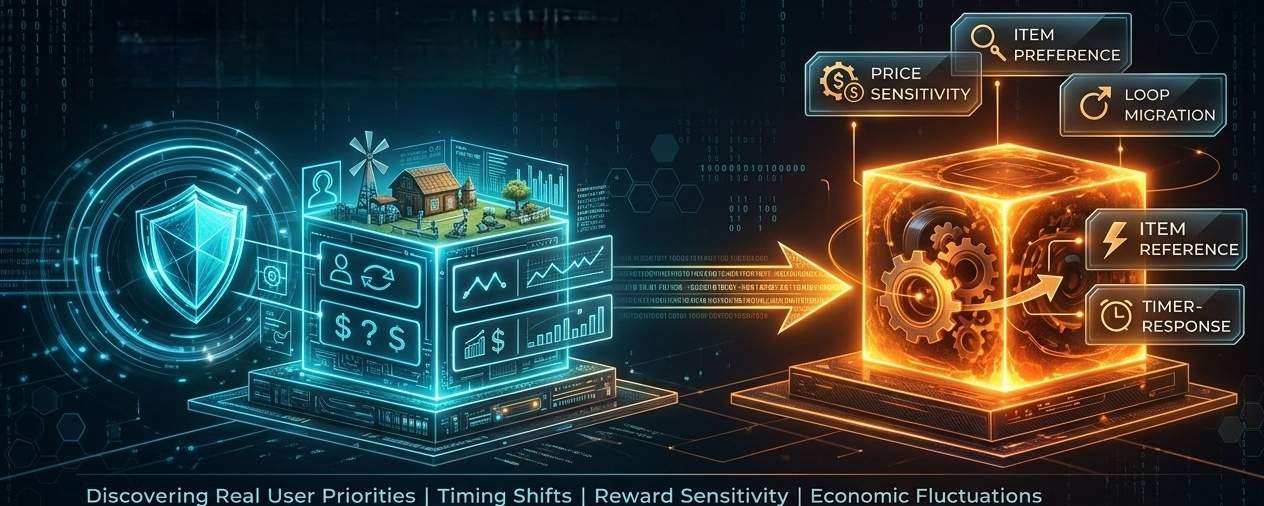

I keep hearing Pixels reduced to a farming game. Plant crops, harvest items, run around, repeat. I understand why people say that. If you open it for a few minutes, farming is what your eyes notice first. Seeds, land, timers, routines, resource loops. It is the visible language of the world.
But I think that description misses the real thing almost entirely.
It’s like saying a shopping mall is about escalators because that is what moves in front of you all day. True on the surface. Not true where the value sits.
The more time I spent inside Pixels, the less farming felt like the product. It started to feel like the wrapper. A familiar mechanic placed on top of something deeper and more strategic. Not fake, not meaningless, just incomplete if taken as the whole story.
That deeper layer matters.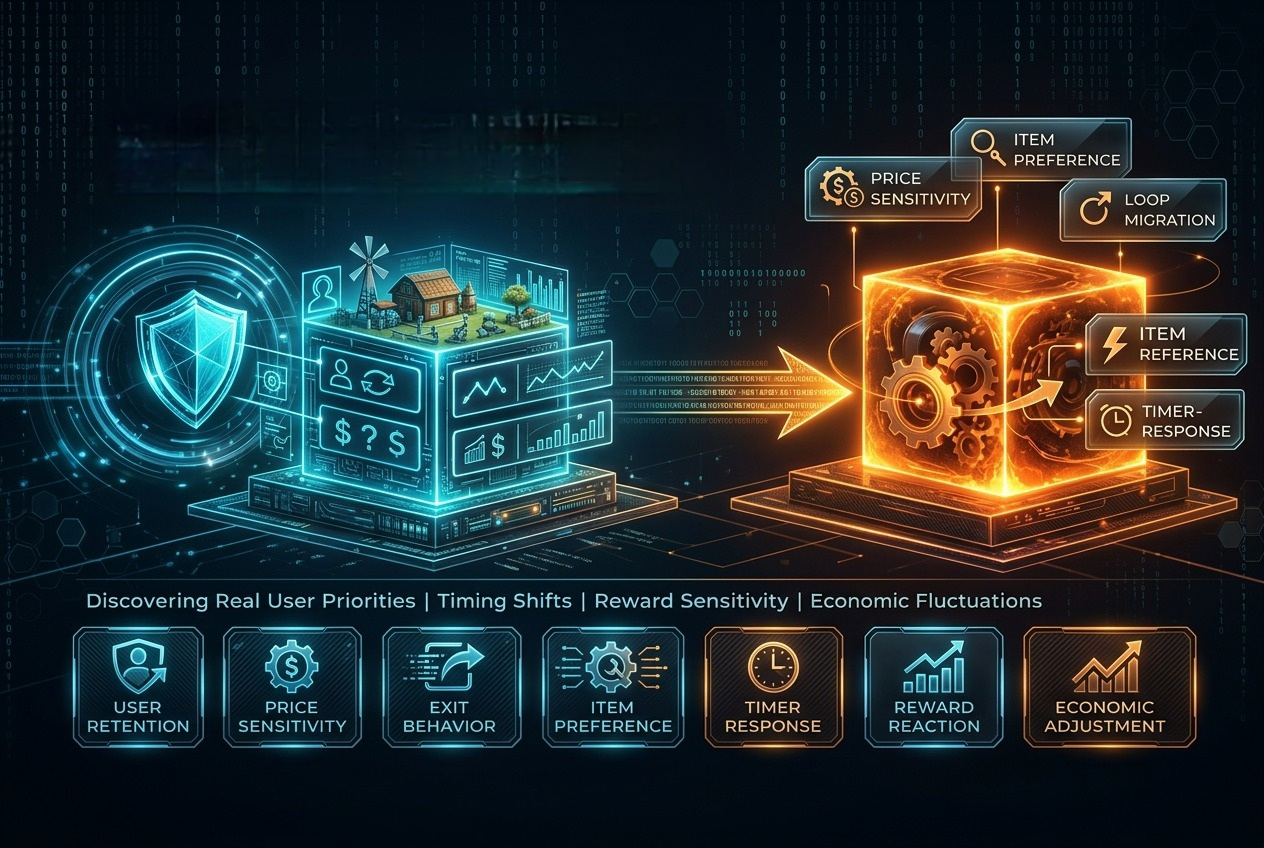
On the surface, Pixels is easy to understand. You gather resources, upgrade tools, improve land, complete loops, trade, return later. In my own experience, that simplicity is part of the design strength. I did not need to study anything serious to begin. I could just enter and start doing.
That kind of easy start is rarely accidental.
Many projects lose users before users ever reach the real product. Too much setup. Too much jargon. Too many steps. Too much seriousness too early. Pixels seems to understand that people often commit after action, not before it.
So it lets users move first and think later.
That is already bigger than farming.
Because what looks like a crop loop may actually be an onboarding loop. Farming gives users a reason to click, return, compare progress, care about upgrades, and learn systems without feeling like they are learning systems. That sounds small until you realize how many products fail at exactly this.
I felt it happen to me.
At first I was just doing tasks. Then I cared about efficiency. Then I noticed timing. Then I started understanding scarcity, opportunity cost, positioning, when to reinvest and when to wait. None of that arrived through a tutorial. It arrived through repetition wrapped in simple actions.
That is usually how durable learning enters.
So when people say Pixels is about farming, I think they are noticing the training wheels and missing the bicycle. The farming mechanic works because it uses habits people already understand. Plant now, collect later. Improve tools, get more output. Spend today, earn tomorrow.
That is everyday economic logic disguised as play.
Underneath, Pixels appears to be building user behavior more than crops. Patience. Routine. Comparison. Reinvestment. Adaptation. Risk tolerance. These may look like side effects, but they could be the real foundation.
Why does that matter?
Because users who learn habits are worth more than users who merely arrive. A visitor can disappear after one session. A person who has built routines, learned timing, optimized workflows, and formed identity inside a system becomes harder to lose. In normal business terms, one is traffic. The other is retained demand.
Most digital products spend heavily chasing the first and struggle to create the second.
Pixels may be taking the opposite route. Use simple mechanics to quietly grow stronger user behavior over time. If this holds, that can outlast short bursts of attention.
I noticed another shift too.
The longer I played, the less I thought about farming itself. I thought about cleaner loops. Better use of time. Which upgrades actually mattered. Whether extracting value now was smarter than reinvesting for later. Whether crowded strategies were already too late.
Those are not farming questions.
They are operator questions.
That tells me the visible activity is less important than the decision layer beneath it. The crops are props that create repeated choices. Choices reveal priorities. Priorities shape markets, retention, and community behavior.
That is where value usually gathers.
There is also a social texture people overlook. Farming looks solitary, but systems like this create comparison almost immediately. Who progressed faster. Who found stronger routes. Who adapted first. Who owns scarce assets. Advice turns into meta. Curiosity turns into measurement.
I have seen that pattern in many digital spaces.
A simple task loop slowly becomes a status loop.
That can be useful and costly at the same time. Useful because comparison keeps people engaged. Costly because optimization can drain the softness out of play when it becomes the only language left. Some users enjoy that chase. Others slowly realize they are maintaining routines they no longer enjoy.
That is a harder moment than quitting early.
Pixels seems aware of this tension, at least indirectly.
It keeps the visible layer approachable while letting deeper users pursue sharper outcomes underneath. Casual users can enjoy motion. Serious users can pursue edge. Different motivations share one environment for a while.
That balance is harder to hold than people think.
Many crypto projects made the opposite mistake. They exposed the financial layer too early. Users arrived thinking mainly about extraction, not participation. Once rewards softened, the culture thinned quickly because no softer foundation had been built first.
Pixels appears more patient.
Instead of starting with finance, it starts with habit. Instead of demanding expertise, it rewards gradual understanding. Instead of forcing identity, it lets identity accumulate through repeated presence.
That sequence matters.
Because when users feel they discovered value themselves, they trust it more than when it was announced to them. My own attachment to Pixels did not come from one promise or headline. It came from many small returns that slowly changed how I used my time inside it.
That is quieter, but stronger.
And there is a wider lesson here. The strongest products often hide complexity behind familiar motions. Swipe for transport. Scroll for media. Tap for payments. Plant for behavioral onboarding.
The action looks small. The system underneath is not.
If Pixels keeps refining that foundation, farming may remain the theme while user acquisition, habit formation, and economic learning become the real engine. That would explain why some people underestimate it. They are reading the surface and ignoring the structure.
I think that happens often now.
People judge digital products by visible activity instead of the behaviors being trained underneath. They see crops, likes, videos, rides, messages. They miss routines, switching costs, identity, stored knowledge, learned reflexes.
Those invisible assets usually matter more than the interface.
So when someone tells me Pixels is a farming game, I do not disagree exactly. I just think that is the least important true thing you can say about it.
More platforms will look playful on the surface while quietly teaching users how to belong, behave, and stay.
