
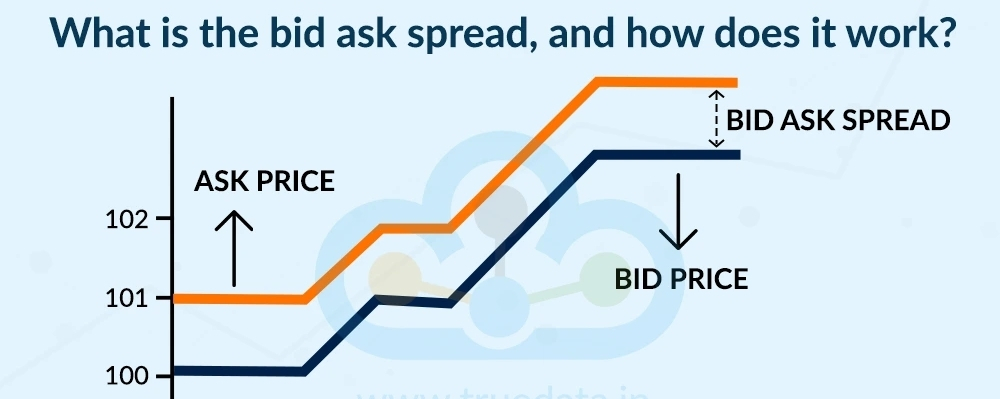
You must have often noticed two lines on the chart with a gap between them. This gap looks much wider on the 1-minute timeframe. That gap is called the Spread.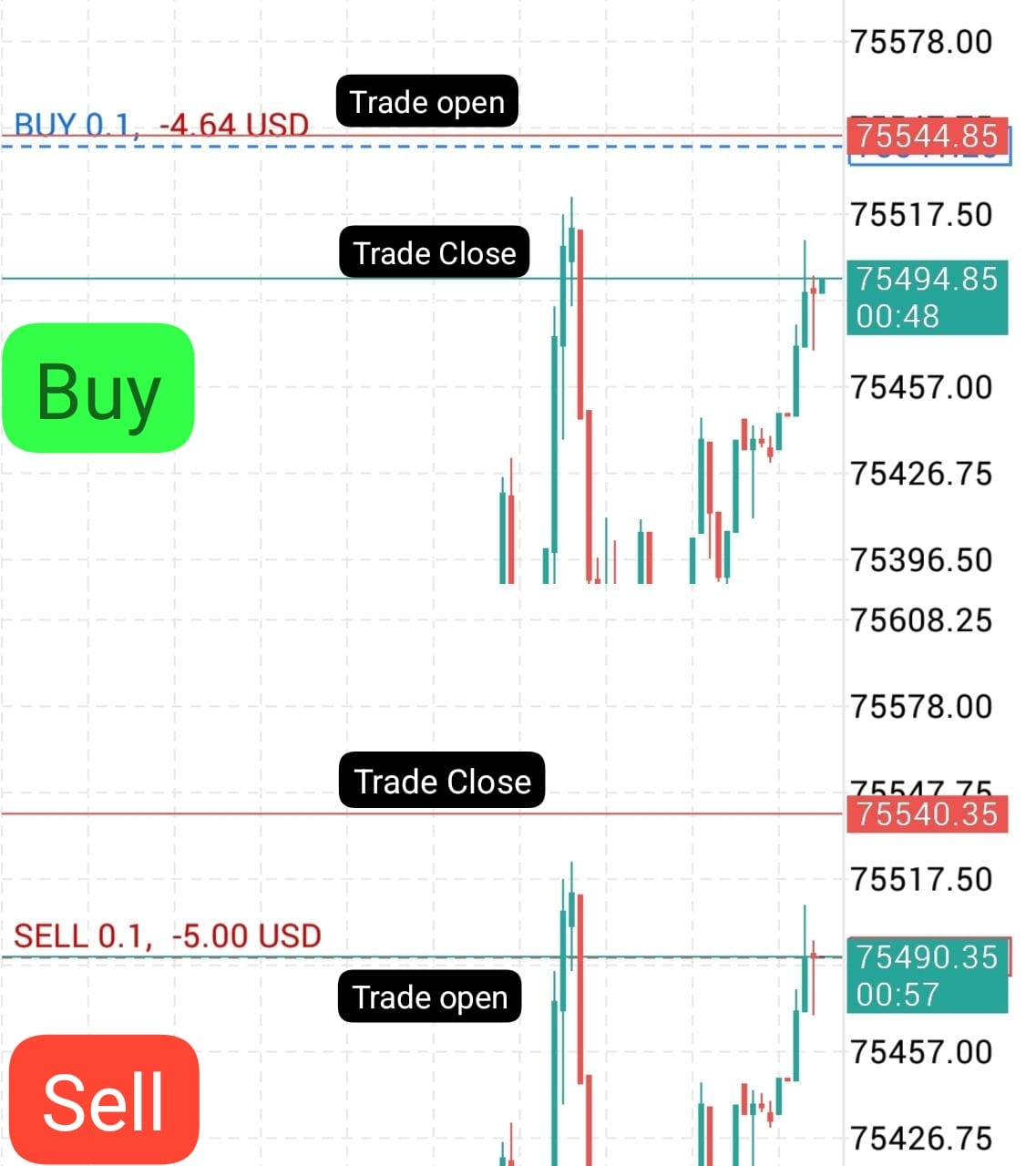
Some brokers have a wider spread, while others have a tighter spread. It also depends on the trading pair and volatility (how much the price is moving).
For example, you will usually see a larger spread in $BTC Bitcoin compared to $XAU Gold. The bigger the gap, the more it can eat into your profits (or increase your losses).How Spread Works in Buy & Sell Trades
When you open a Buy trade, it opens at the higher line (Ask price).
When you close the trade, it closes at the lower line (Bid price).
When you open a Sell trade, it opens at the lower line (Bid price).
When you close the trade, it closes at the higher line (Ask price).
That's why when you open a small 0.1 lot trade in Bitcoin, you instantly see a loss of around -$5 right after opening. The same happens in Gold, but the loss is smaller because the spread is usually tighter there.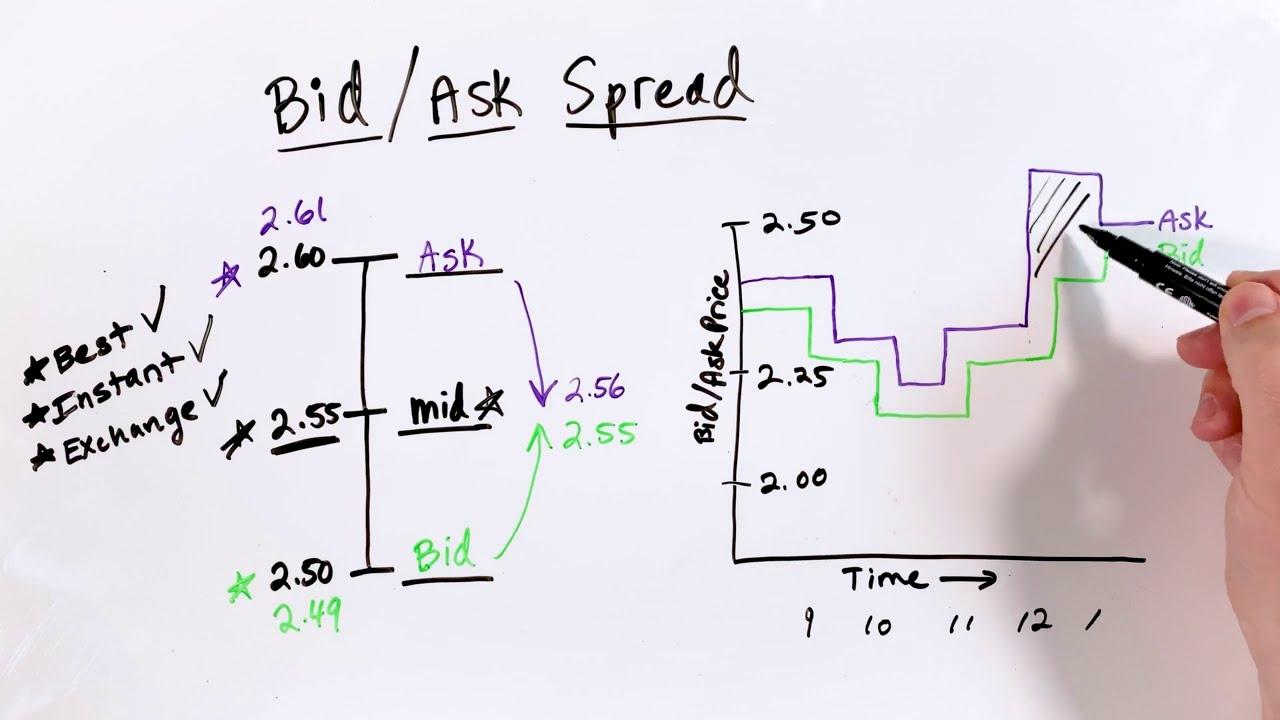
Why Does This Happen?
The spread is the broker's fee (or the difference between the buy and sell price). It is built into every trade you make. In highly volatile assets like crypto, the spread tends to be wider, especially during news events or low liquidity times.
Tip: Always check the spread of your trading pair before entering a trade — especially if you are scalping on lower timeframes like 1-minute charts. A wide spread can turn a potentially winning trade into a losing one very quickly.