
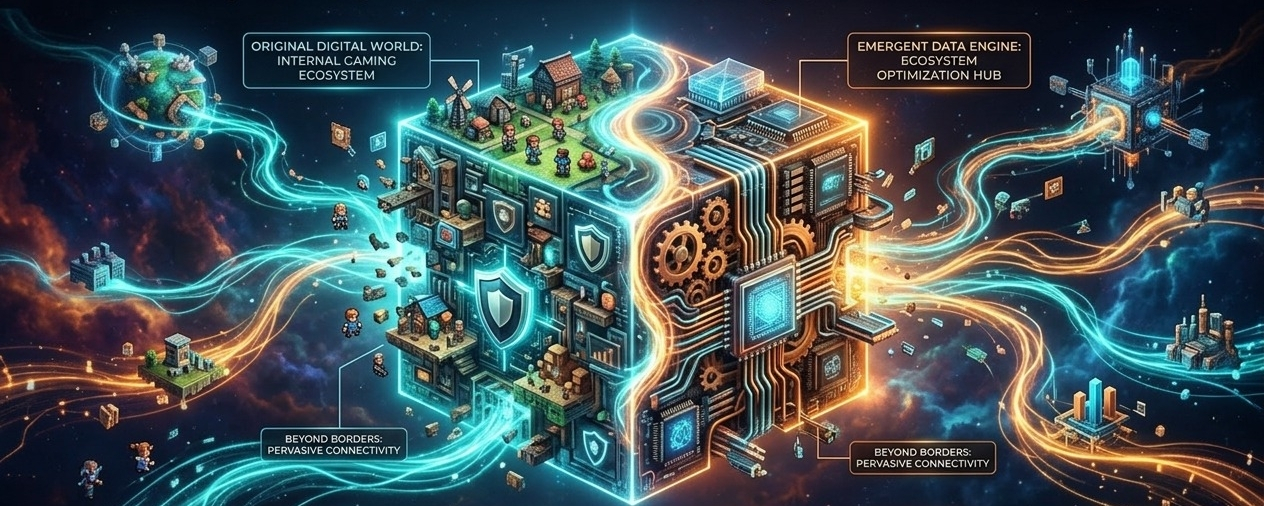

I keep seeing Pixels treated like a Web3 game first, almost as if that label explains everything important. Token attached, onchain identity, tradable assets, farming loops, community noise around rewards. I understand why people start there. Those features are visible, easy to classify, familiar to anyone who has watched this sector for a while.
But I think the label may be getting smaller while the project gets larger.
It’s like calling a supermarket a parking lot because that is where you first arrive. Technically true. Not where the business lives.
The more time I’ve spent watching Pixels, and using it myself, the less it feels limited by crypto-native framing. What users see first is a game world with ownership layers. What may be happening underneath is a broader consumer product using Web3 rails without forcing Web3 identity onto everyone.
That difference matters more than people think.
On the surface, Pixels is approachable in a way many blockchain products never were. You can enter, move around, do simple tasks, progress steadily, understand goals quickly. In my own experience, that ease is not minor. It decides whether curiosity becomes action or dies at the door.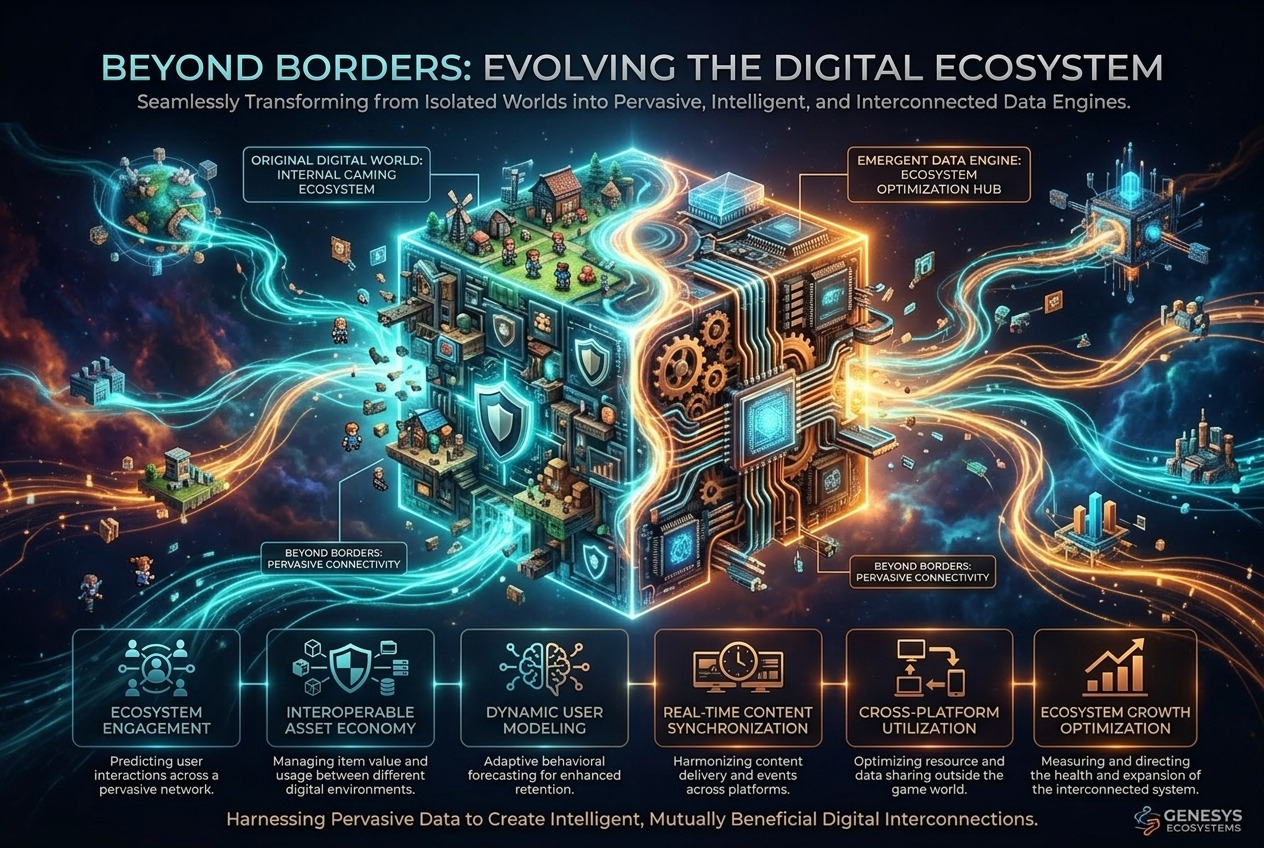
A lot of Web3 products failed at the door.
Too many steps. Wallet anxiety. Technical language. Confusing incentives. Serious tone before any enjoyment had been earned. Users were asked to believe before they were allowed to feel anything useful.
Pixels seems to reverse that order.
It lets users do something first. Plant, gather, trade, upgrade, return later. Small motions. Familiar rhythms. The kind of actions that do not require ideological commitment. You do not need to care about crypto to understand progress.
That may be one reason it can outgrow Web3 faster than expected.
Because the fastest path beyond a niche is often not abandoning the niche. It is embedding the niche inside a better product. Early signs suggest Pixels understands this instinctively. Use blockchain where it helps ownership, markets, portability, incentives. Keep it quiet where it creates friction.
That is smarter than evangelism.
Many projects tried to sell people on decentralization as a headline benefit. Most ordinary users do not wake up wanting decentralization. They want convenience, momentum, entertainment, status, maybe upside if it feels fair.
Pixels appears to meet users closer to those motives.
I noticed this in myself too. The moments that kept me engaged were rarely the abstract crypto parts. It was progress that felt earned. Systems that rewarded attention. Small decisions that changed tomorrow’s position. A sense that time spent was not disappearing completely.
That is not a blockchain emotion.
That is a product emotion.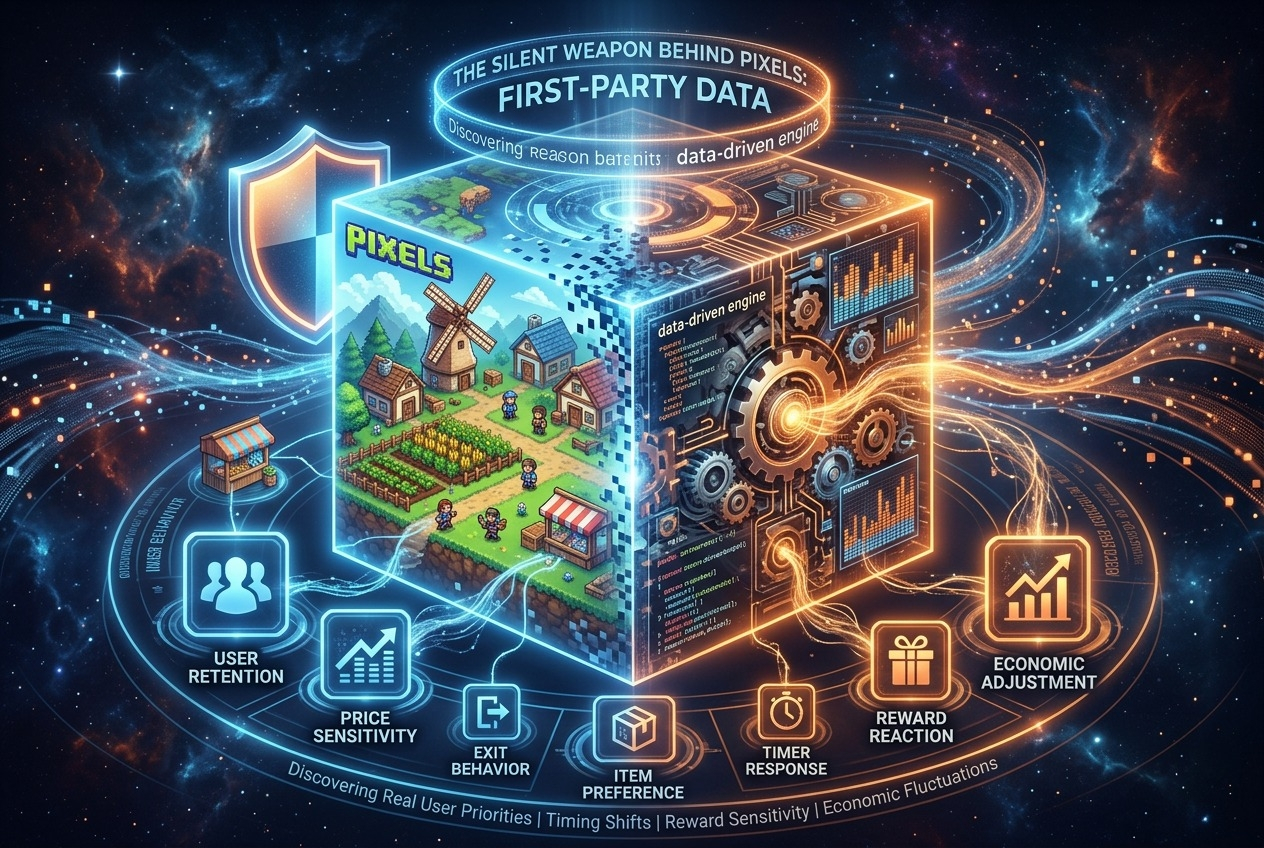
Underneath, Pixels may be building something more durable than a game economy. It may be building habit pathways for mainstream users to become comfortable with digital ownership without ever needing that phrase. Own an item because it matters in the world. Trade because it is useful. Value scarcity because you felt its effects.
Learning through use tends to last longer than learning through explanation.
Many observers still look in the wrong direction. They focus on token charts, daily users, speculation cycles, reward rates. Those metrics matter, but they mostly describe the loud layer, not the quiet foundation.
The quieter layer is behavior change.
If a user who never cared about wallets starts caring about inventory value, transferability, market timing, or asset quality because a game made it natural, that is a larger shift than one week of price action.
That translation is rare.
And it can spread.
A person may enter Pixels for light gameplay, then slowly become comfortable with markets, ownership, reputation, digital work, community trade, even broader onchain products later. Not because they were sold a theory. Because they practiced the motions in a low-pressure environment.
That is how niches reach the mainstream.
The past few years showed that forcing identity rarely works. Telling users they are early adopters, revolutionaries, or part of a movement can attract some people, but it usually caps scale. Most people do not want a new identity. They want something useful folded into their current life.
Pixels feels closer to that second path.
It does not need every user to become crypto-native. It may only need them to become comfortable using systems partly powered by crypto.
One seeks believers.
The other seeks participants.
That distinction can decide market size.
There is still tension, of course. If financial incentives become too loud, mainstream users may feel the weight of speculation. If complexity grows faster than simplicity, onboarding can harden again. If rewards fade without enough texture, retention can soften.
There is another risk too.
If Pixels grows beyond Web3 circles, it may lose some of the exclusivity and identity that attracted early power users in the first place. Products that broaden often become less special to the crowd that found them first.
But the direction is still interesting.
Because Pixels seems to understand something many sectors eventually learn: people adopt infrastructure through entertainment, convenience, and habit more easily than through ideology. Banking moved into apps. Commerce moved into feeds. Payments moved into taps.
Ownership may move through play.
Good infrastructure often disappears from the user’s conscious mind.
The strongest systems make technical depth feel like ordinary life.
I also think this explains why some crypto-native critics misread Pixels. They may want louder token logic, clearer ideological signals, more obvious financialization. But products that aim beyond a niche often become less legible to the niche first.
They stop performing identity.
They start performing utility.
That can look boring to insiders and obvious to everyone else.
So when people ask whether Pixels is a leading Web3 game, I think the better question is whether it is learning to become something users enjoy before they even care what stack it runs on.
Products often outgrow their category the moment users stop noticing the category at all.
