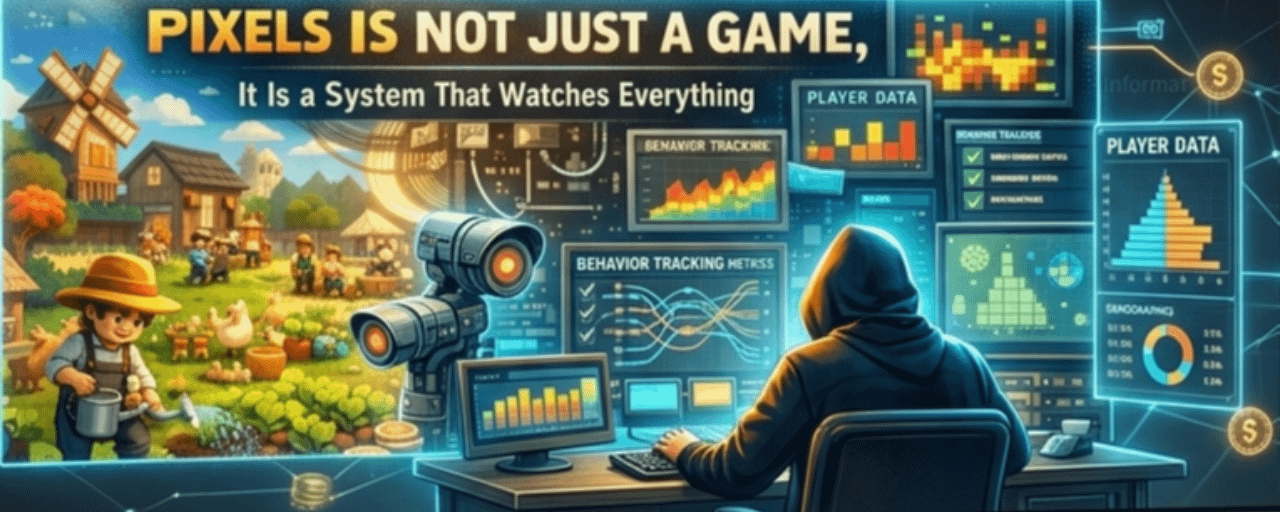
Trong bối cảnh biến động của trò chơi Web3, nhiều tài sản gặp phải lỗi phân loại. Các nhà đầu tư và người chơi thường nhìn nhận token thông qua lăng kính của năm 2021—như những phần thưởng "chơi để kiếm" đơn giản được thiết kế để được khai thác và thanh lý. Tuy nhiên, khi hệ sinh thái Pixels trưởng thành, ngày càng rõ ràng rằng việc gọi $PIXEL chỉ là một "token trò chơi" giống như việc sử dụng bản đồ làng để điều hướng một đô thị rộng lớn.
Nhãn không chỉ nhỏ; nó đã lỗi thời. Để hiểu được quỹ đạo thực sự của $PIXEL, người ta phải nhìn qua các vòng lặp canh tác và đất pixel hóa để thấy sự chuyển mình kiến trúc đang xảy ra dưới bề mặt. pixel đang chuyển mình từ một loại tiền tệ cao cấp thành một lớp phối hợp cho một mạng lưới trò chơi phi tập trung.
1. Bản thiết kế gốc: Tránh bẫy "Farm-and-Dump"
Nền tảng của sức mạnh hiện tại của $PIXEL nằm ở triết lý thiết kế ban đầu của nó. Trong tài liệu ban đầu, nhóm đã tạo ra một sự phân biệt quan trọng mà nhiều đồng nghiệp của mình đã bỏ lỡ. Pixels chưa bao giờ có ý định trở thành "nhiên liệu hàng ngày" cho sự tiến bộ cơ bản. Vai trò đó được dành cho Coins, loại tiền tệ mềm được thiết kế cho gameplay cường độ cao, cục bộ.
pixel được định hình như một loại tiền tệ hệ sinh thái cao cấp, dành riêng cho:
Khát vọng và Địa vị: Mỹ phẩm, thú cưng và các định danh độc đáo.
Tăng tốc chiến lược: Truy cập vào các công thức và tiện nghi chuyên biệt.
Sức khỏe hệ sinh thái: Hành vi mang lại lợi ích cho nền tảng thay vì làm cạn kiệt nó.
Bằng cách tách biệt tiền tệ chơi game "mềm" khỏi token "cao cấp", nhóm Pixels đảm bảo rằng pixel không sống và chết như một công cụ khai thác thô bạo. Sự tách biệt này là "hạt giống" đang phát triển thành một cái gì đó có cấu trúc hơn nhiều. Nhóm không chỉ thay đổi token; họ đã mở rộng quy mô vai trò của nó.
2. Staking như một Cơ chế Kho bạc
Việc giới thiệu Hệ thống pixel đại diện cho sự thay đổi quan trọng nhất trong lịch sử của token. Đối với người quan sát thông thường, staking chỉ là một cách để kiếm lợi suất. Đối với người quan sát chiến lược hoặc tổ chức, đó là một cơ chế định hướng vốn.
Trò chơi như một "Người xác thực"
Pixels đã công khai mô tả một mô hình mà các trò chơi trong hệ sinh thái của nó thay thế các người xác thực blockchain truyền thống. Trong mô hình "Xuất bản phi tập trung":
Người dùng đặt cược pixel cho các dự án phụ hoặc "chương" (như Pixel Dungeons).
Staking hoạt động như một tín hiệu hỗ trợ cộng đồng và phân bổ tài nguyên.
Số lượng đặt cược giúp xác định dự án nào nhận được nhiều trọng lực kinh tế, hỗ trợ và khả năng hiển thị nhất.
Từ Tiền tệ đến Cơ sở hạ tầng
Khi một token bắt đầu xác định nơi tập trung tài nguyên, nó ngừng hành động như một đồng tiền trong tay người chơi và bắt đầu hành động như áp lực nước trong ống dẫn. Bạn không luôn nhìn thấy áp lực, nhưng nó quyết định những căn phòng nào được thắp sáng và những căn phòng nào vẫn khô ráo. Đây là hành vi của kho bạc. Pixel là công cụ quản lý sự phát triển của toàn bộ hệ sinh thái, hiệu quả biến token thành một "phiếu bầu" cho tương lai phát triển của nền tảng.
3. Kinh tế Tầng: Pixel việc tiết lộ gần đây của $vPIXEL cung cấp mảnh ghép cuối cùng của câu đố cấu trúc. Theo FAQ về Staking, $vPIXEL là một token thưởng "chỉ chi tiêu" được thiết kế cho chuyển động linh hoạt trong hệ sinh thái.
Điều này tạo ra một động cơ kinh tế hai lớp hiệu quả cao:
Lớp chiến lược ($PIXEL)
Đây là "Xương sống Kho bạc." Nó là cái neo của hệ thống—hữu hạn, có thể giao dịch, và được sử dụng cho phối hợp cấp cao. Nó được giữ bởi những người có lợi ích lâu dài trong sức khỏe của hệ sinh thái.
Lớp Lỏng ($vPIXEL)
Đây là "Mạch máu." Nó được xây dựng để chi tiêu và lưu thông. Bằng cách cho phép người chơi sử dụng $vPIXEL để bỏ qua phí (như "Phí Nông dân" trong Pixel Dungeons), hệ thống khuyến khích tốc độ nội bộ. Nó giữ cho nền kinh tế tiếp tục mà không đặt áp lực bán liên tục lên pixel chính. Coordination & Reserve AssetCirculation & Spending AssetPhilosophyLong-term alignment (Cái "Neo")Immediate utility (Cái "Năng lượng")Market ImpactReduced velocity/High ValueHigh velocity/Low Friction
4. Tầm nhìn "Nhà xuất bản phi tập trung"
Trong nhiều năm, "Chén thánh" của trò chơi Web3 là khả năng tương tác giữa các trò chơi. Hầu hết các dự án cố gắng điều này thông qua NFT "da" hoạt động trong nhiều thế giới—một giải pháp nông cạn mà hiếm khi hoạt động trên thực tế.
Pixels đang cố gắng điều gì đó sâu sắc hơn: Tính tương tác kinh tế.
Tài liệu nền tảng cũ đã gợi ý về điều này, mô tả hỗ trợ cho các cửa hàng dự án bên ngoài, đốt chéo dự án và kinh tế đa token. Bằng cách sử dụng tài sản pixel king, Pixels đang định vị mình như một Nhà xuất bản dựa trên thị trường. Trong một thiết lập truyền thống, một nhà xuất bản (như EA hoặc Ubisoft) quyết định trò chơi nào nhận được ngân sách dựa trên các chỉ số nội bộ. Trong hệ sinh thái Pixels, pixel trò chơi mới gia nhập mạng lưới Pixels, thành công của nó phụ thuộc vào khả năng thu hút pixel một môi trường cạnh tranh nơi chỉ những trò chơi hấp dẫn và có nền tảng kinh tế vững chắc mới tồn tại, bảo vệ hệ sinh thái khỏi "bloatware" đã giết chết các nền tảng trò chơi trước đó.
5. Giải quyết sự cố "Vòi mở"
Lịch sử của trò chơi Web3 đầy rẫy xác của những dự án hoạt động như "vòi mở." Họ đã cung cấp phần thưởng cao ($) mà không có nhu cầu bền vững, dẫn đến chu kỳ "Farm-Exit-Repeat".
Sự chuyển mình của Pixels hướng tới một mô hình tài sản phối hợp là một sự chuyển mình trưởng thành tránh khỏi thất bại này. Bằng cách liên kết token với:
Lòng trung thành và Giữ chân: (Staking và trạng thái VIP)
Phối hợp Tăng trưởng: (Hỗ trợ các trò chơi phụ mới)
Tiện ích Cơ sở hạ tầng: (Giảm phí và quản trị)
...họ đang tạo ra một "bể" không chỉ là một cơ chế đốt, mà là một Lớp Giữ Giá Trị.
6. Kết luận: Một Khung Định Giá Mới
Thị trường hiện đang trong quá trình đánh giá lại giá trị của pixel, dự án tiếp tục trên con đường hiện tại, nó sẽ không còn được định giá dựa trên số người dùng tích cực hàng ngày (DAU) của một trò chơi nông trại đơn lẻ. Thay vào đó, nó sẽ được định giá như lớp phối hợp kinh tế của một hệ sinh thái đa trò chơi.
Một mô hình là một tài sản tiêu hao; mô hình khác là một cơ sở hạ tầng nền tảng. Một token tiêu hao sống trong khoảnh khắc—nó được yêu cầu, bị bỏ và bị quên. Một lớp kho bạc sống khác đi. Nó ghi nhớ nơi mà sự hỗ trợ đã đến. Nó hình thành những gì đến tiếp theo. Nó mang theo logic của toàn bộ mạng lưới trên lưng.
Pixels không chỉ xây dựng một trò chơi; nó đang xây dựng hệ điều hành kinh tế cho thế hệ chơi kỹ thuật số tiếp theo. Và trong hệ thống đó, xương sống pixel.