
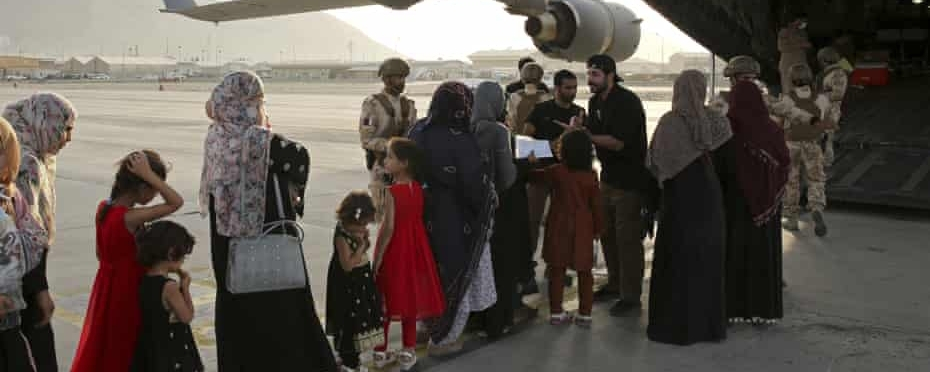
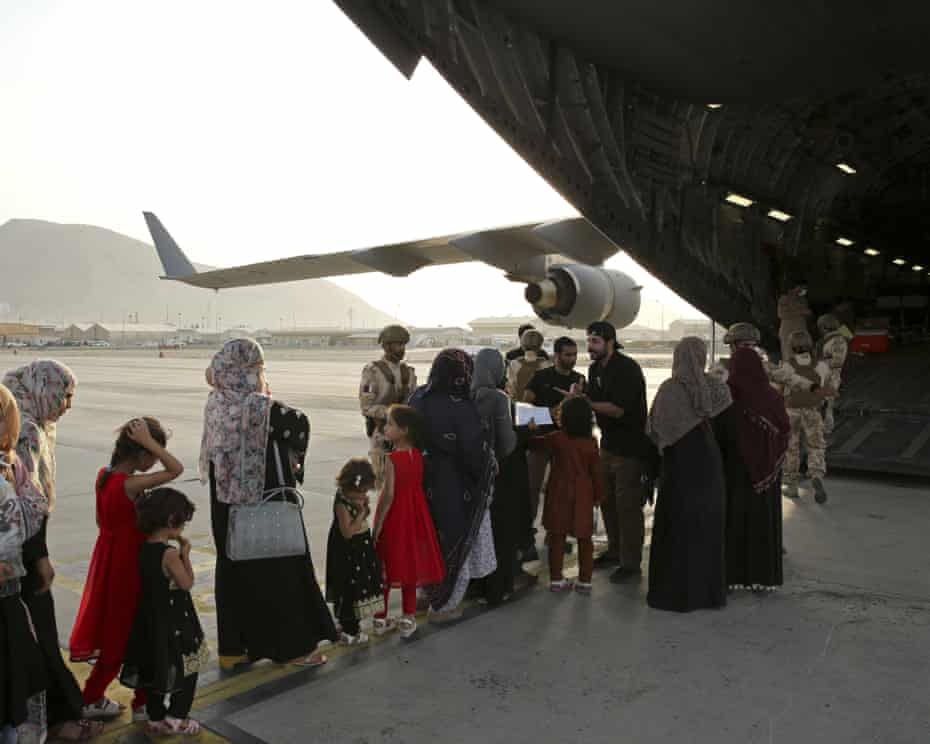
There is a word for what the United States built with its Afghan allies over two decades of war: trust. Interpreters who guided American soldiers through dangerous terrain. Families of active duty service members. People who put targets on their own backs by choosing to stand with US forces — knowing full well what Taliban control would mean for anyone who did.
Over 1,100 of those people are now sitting in a camp in Qatar. They have been there for a year. More than 400 of them are children. Around 100 to 150 are family members of active duty American service members. Over 700 are women and children.
And the current discussion about their future involves sending them to the Democratic Republic of Congo — a country the UN Refugee Agency describes as home to 8.2 million displaced people, reeling from decades of conflict and instability.
Let that sink in.
These individuals were evacuated to Qatar specifically because their cooperation with US forces made staying in Taliban-controlled Afghanistan a death sentence. That evacuation was an implicit promise — we got you out, and we will find you a safe future. What is now being proposed is not a safe future. It is trading one crisis for another.
What makes this particularly difficult to accept is how straightforward the alternative actually is. According to AfghanEvac president Shawn VanDiver, 900 of the 1,100 people in Qatar have already qualified for US resettlement. They passed the vetting. They met the criteria. There is no legal barrier preventing them from coming to America. This is, as VanDiver put it plainly: "an easy solve."
A policy decision. That's all it would take.
Instead, the administration has shut down the resettlement initiative that brought them this far, declared there is "no viable pathway" to the United States for this group, and is now exploring options in a country that cannot currently absorb its own displacement crisis — let alone absorb over a thousand additional vulnerable people.
Nations are ultimately judged not by the promises they make during wars, but by whether they honor those promises after the guns go quiet. The Afghans in Camp As-Sayliyah kept their end of the agreement. Many of them did so at extraordinary personal risk.
The question now is whether America intends to keep its end — or whether the people who trusted it most will be left to find out what happens when it doesn't.
#Afghanistan #HumanRights #USForeignPolicy #RefugeeRights #MoralObligation


