
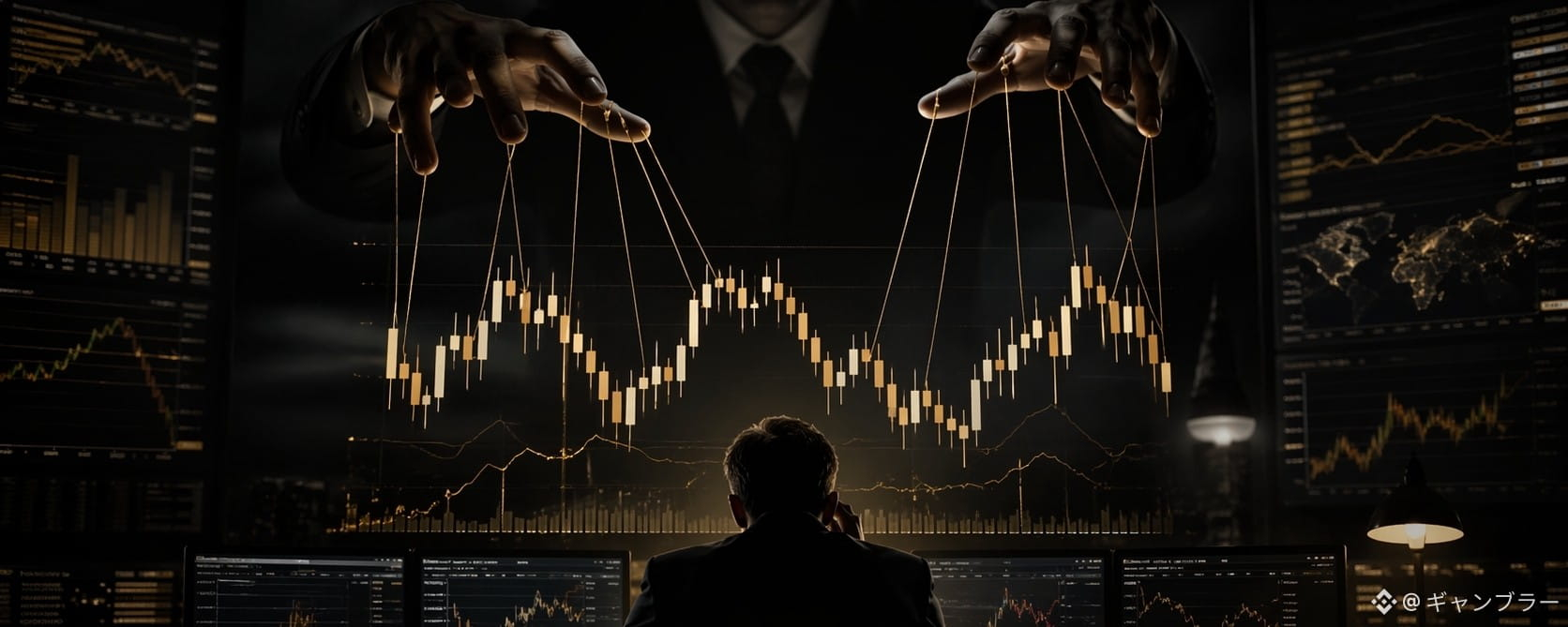
Financial markets are often described as temples of reason — places where numbers speak louder than emotion, where price reflects value, and where opportunity rewards discipline. Yet beneath this polished surface lies a more unsettling truth: markets are not always moved by fundamentals alone. At times, they are steered by manipulation, engineered by those who understand not only capital, but human behavior.
Market manipulation is the art of distortion. It bends perception before it bends price. It feeds on urgency, manufactures confidence, and turns hesitation into opportunity for the few who know exactly how to exploit the crowd. What appears to be momentum may, in fact, be choreography. What looks like demand may be deception dressed in data.
Few schemes capture this better than the infamous pump-and-dump. The formula is seductively simple: inflate the story, ignite excitement, draw in the masses, and exit before the illusion collapses. By the time ordinary traders realize they were buying into noise rather than value, the architects of the frenzy have already secured their profits and disappeared behind the smoke.
What makes manipulation so dangerous is not merely its financial cost, but its psychological precision. It weaponizes fear of missing out, amplifies panic, and exploits the market’s oldest weakness: the tendency of people to follow movement before understanding it. In that sense, the most powerful force in manipulated markets is not money, but emotion.
In the digital era, this danger has become even more sophisticated. A rumor can travel globally in seconds. A coordinated narrative can mimic legitimacy. A wave of manufactured sentiment can move faster than regulation, faster than analysis, and often faster than truth itself. The result is a market environment where appearance can be engineered, and trust can be traded as easily as any asset.
Ultimately, market manipulation is more than misconduct. It is a quiet assault on the very principle that gives markets meaning: fairness. And once fairness becomes uncertain, every chart begins to tell two stories — one of price, and another of power.