

Decentralized finance, or DeFi, has promised a world where anyone can lend, borrow, or trade without intermediaries. But in reality, DeFi faces a big challenge: balancing privacy with compliance. Financial systems are heavily regulated, and traditional DeFi often exposes transaction details or user data on public blockchains. This can scare away institutions and cautious users. Walrus solves this problem by creating a system where DeFi apps can operate safely, privately, and in line with the rules.At the heart of Walrus is a privacy-preserving infrastructure on the Sui blockchain. Unlike public blockchains, where every transaction is visible to anyone, Walrus lets data stay confidential while still verifiable. Think of it like signing a contract in a sealed envelope—you prove that the deal happened without revealing all the details inside. For DeFi, this means users’ balances, trades, or lending activity can remain private, while regulators and auditors still get the assurance they need.One of the key technologies making this possible is selective disclosure. In traditional systems, every piece of information is either fully public or fully hidden. Walrus allows you to control what is revealed and to whom. For example, a lending platform can prove to a regulator that a borrower meets certain criteria without exposing their full identity or transaction history. This approach makes DeFi accessible to institutions that previously avoided it due to compliance risks.The benefits are huge. By protecting sensitive information, Walrus encourages institutional adoption of DeFi. Banks, investment firms, and other financial organizations can now participate in decentralized lending, trading, or staking without fearing regulatory backlash. At the same time, users maintain privacy, which has been a cornerstone of blockchain’s appeal from the start.Security is another crucial part of the equation. Walrus ensures that sensitive data isn’t just hidden—it’s encrypted and distributed across the network. Even if a node is compromised, it can’t leak meaningful information.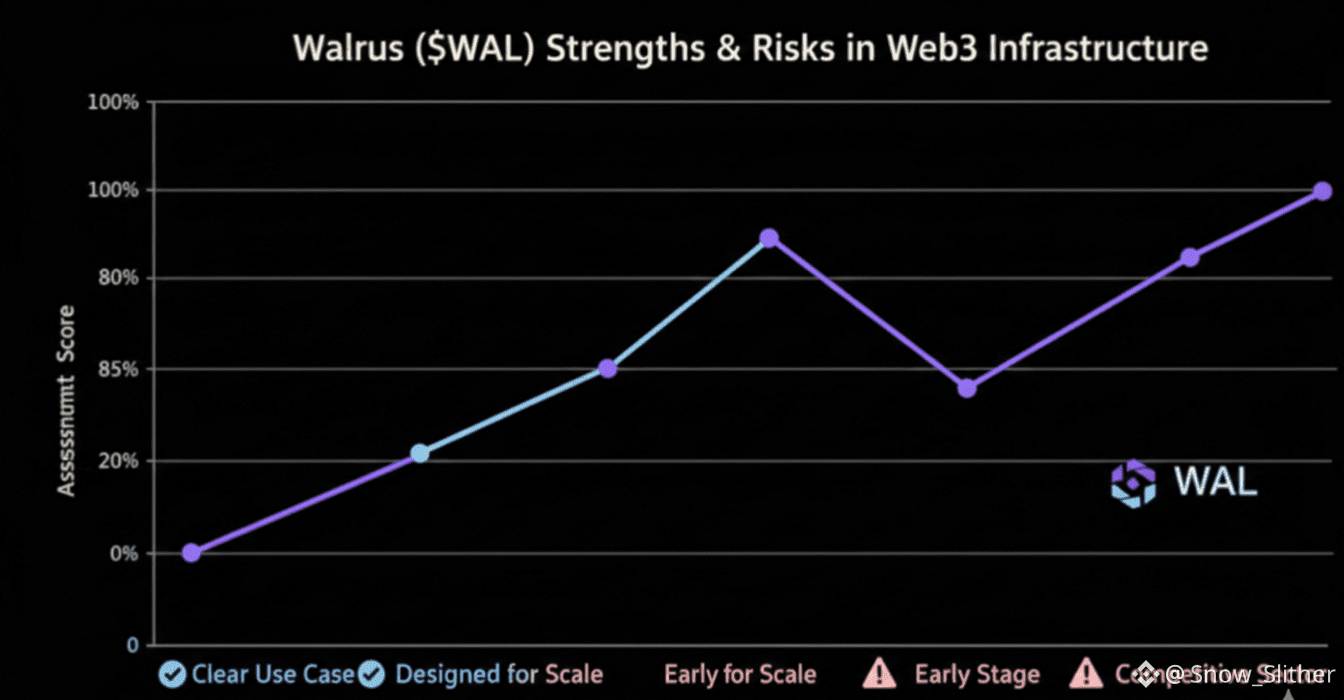
This level of protection builds trust in DeFi platforms, making users feel safe while interacting with complex financial applications.For developers, building compliant DeFi apps on Walrus is surprisingly smooth. The protocol handles the heavy lifting: privacy, encryption, selective disclosure, and data distribution. Developers can focus on creating innovative financial products instead of worrying about exposing sensitive user data or navigating complicated compliance requirements. It’s like having a secure, ready-made foundation to build on—without compromising privacy or legality.Walrus also lowers the barrier for cross-border DeFi applications. Regulations vary widely between countries, but the protocol’s selective disclosure and compliance-friendly design make it easier for apps to adapt. Whether it’s proving regulatory compliance in one jurisdiction or maintaining privacy in another, Walrus gives developers flexibility without risk.Cost efficiency is another advantage. By combining decentralized storage with privacy-preserving techniques, Walrus reduces overhead for running DeFi applications. Public blockchains often require storing full transaction data on every node, which can be slow and expensive. Walrus splits and encrypts data, stores it efficiently, and only reveals what’s necessary. The result? Cheaper operations, faster performance, and a system that scales with growing user demand.The protocol also integrates with the WAL token model, which incentivizes participants to provide storage, validate transactions, and secure the network. This keeps the system decentralized and self-sustaining. The more participants join, the more robust the network becomes, ensuring privacy and compliance without a single point of failure. Users and institutions alike benefit from a resilient ecosystem that doesn’t rely on a central authority.In real-life terms, imagine a DeFi lending app running on Walrus. Alice wants to borrow funds, and Bob wants to lend, but neither wants their full financial history exposed.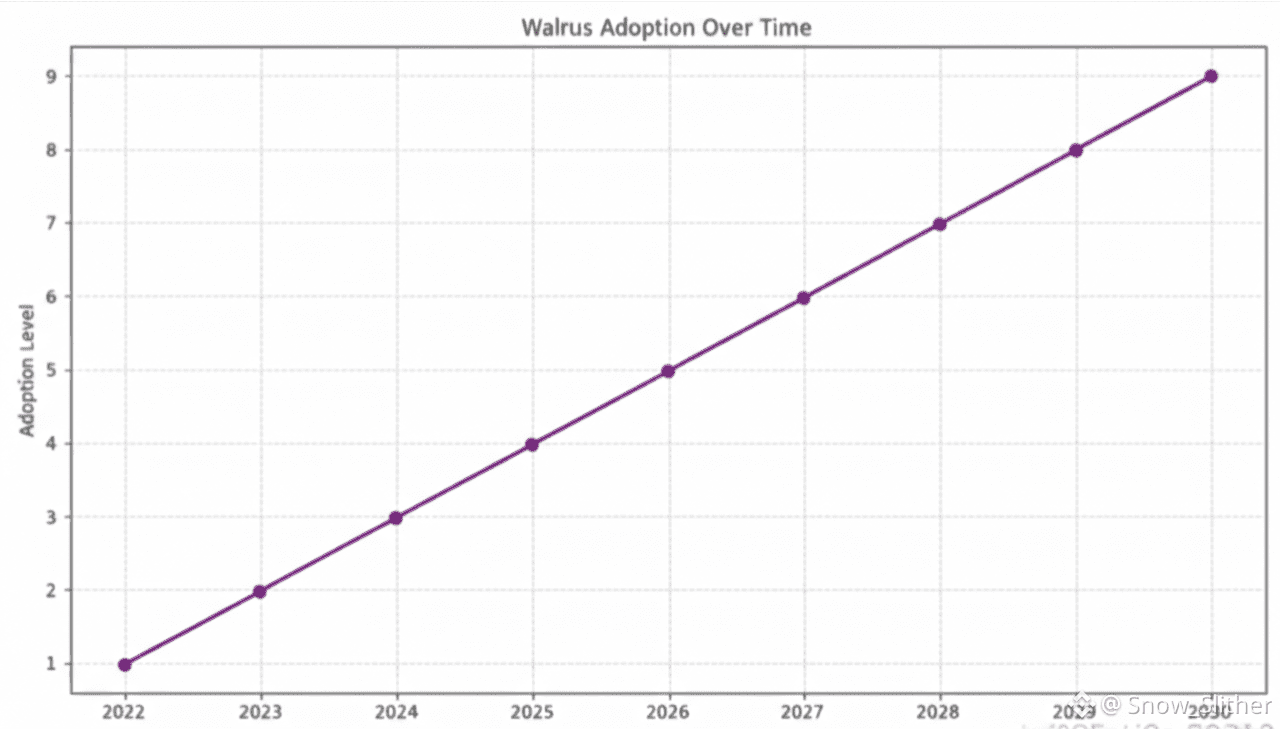
Walrus encrypts their transactions, splits the data across multiple nodes, and provides regulators with proof that all lending rules are followed—without anyone seeing private details. Both users get privacy, the platform remains compliant, and trust in the system grows. That’s the power of privacy-aware, compliant DeFi.This approach teaches an important lesson: privacy and compliance don’t have to be at odds. Many people assume you must sacrifice one for the other. Walrus shows that with the right architecture—privacy-preserving infrastructure, selective disclosure, and decentralized storage—DeFi can be both safe for users and compliant for regulators. It’s a practical model for the future of finance, bridging the gap between decentralized freedom and real-world rules.For enterprises, developers, and individual users, Walrus provides confidence. You don’t have to worry about exposing sensitive data or risking non-compliance. The system is designed to handle both, allowing DeFi to scale beyond hobbyist or experimental applications into mainstream finance. It opens doors for new kinds of financial products that were previously too risky to implement on public blockchains.Ultimately, Walrus redefines what DeFi can be. It’s not just about decentralization or privacy—it’s about building a system where privacy, security, compliance, and efficiency coexist. By enabling applications to operate privately without breaking rules, Walrus paves the way for the next generation of financial innovation.So the next time you think about DeFi, remember this: it’s possible to have privacy without compromise and compliance without exposure. Walrus teaches us that smart design can protect users, satisfy regulators, and support robust, scalable financial applications—all at the same time. In the world of blockchain finance, that’s a lesson worth paying attention to.


