


Walrus As Web3 continues to grow, one challenge keeps coming back to the surface: reliable and scalable storage. Blockchains can process transactions, but without strong data infrastructure, real adoption becomes difficult. This is where @walrusprotocol is stepping in with a clear focus on decentralized storage that actually works for modern applications.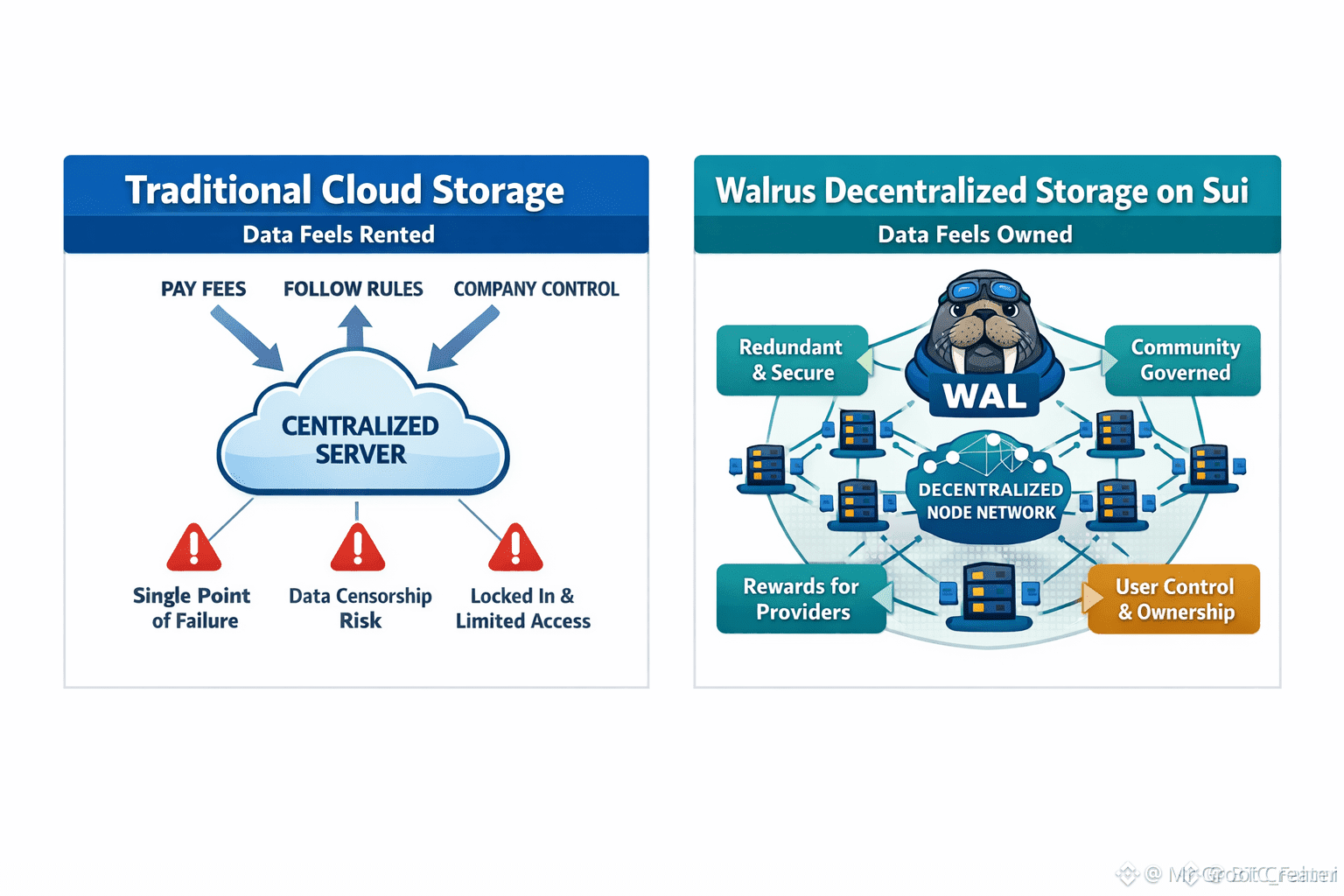
With the latest updates, Walrus Protocol is showing steady progress toward making storage more efficient, secure, and accessible for builders. Instead of relying on centralized servers, Walrus enables data to be stored in a decentralized way, reducing single points of failure and improving long-term reliability. This is especially important for NFTs, gaming, and data-heavy Web3 apps that need constant access without sacrificing security.
The role of $WAL within the ecosystem helps align incentives between storage providers and users, encouraging network growth and sustainability. As demand for decentralized data solutions increases, projects like Walrus Protocol are becoming essential infrastructure rather than optional tools. The recent updates make it clear that Walrus is focused on long-term value, not short-term noise.
2. Cross replication-Slivers are distributed with numerous shards and providers. The primary slivers are the primary slivers, others are coded (XOR) by primary ones. In case of node failure, the XOR coded slivers can rebuild the ones that are no longer there.
3. Decentralized record keeping Metadata mapping slivers to files and their locations is on the Sui blockchain. This enables the system to restore files without referring to one node.
Such methods offer high availability since the failure of a few nodes does not lost the data. They also secure privacy, as none of the providers has all the parts. It is only a person who is aware of which slivers to request that can rebuild the file.
PoA and The Sealer network.
To maintain the data accessibility, Walrus employs the Proof-of-Authority, rather than proof-of-work or proof-of-stake. Sealers are automatically selected as a community of trusted nodes to audit storage providers and recreate deleted slivers. Sealers verify the right number of slivers when data is uploaded which is recorded on chain. Subsequently, when a user attempts to recover a file and some slivers have been lost, the Sealers can recombine the XOR-coded slivers using the pieces and reread the file.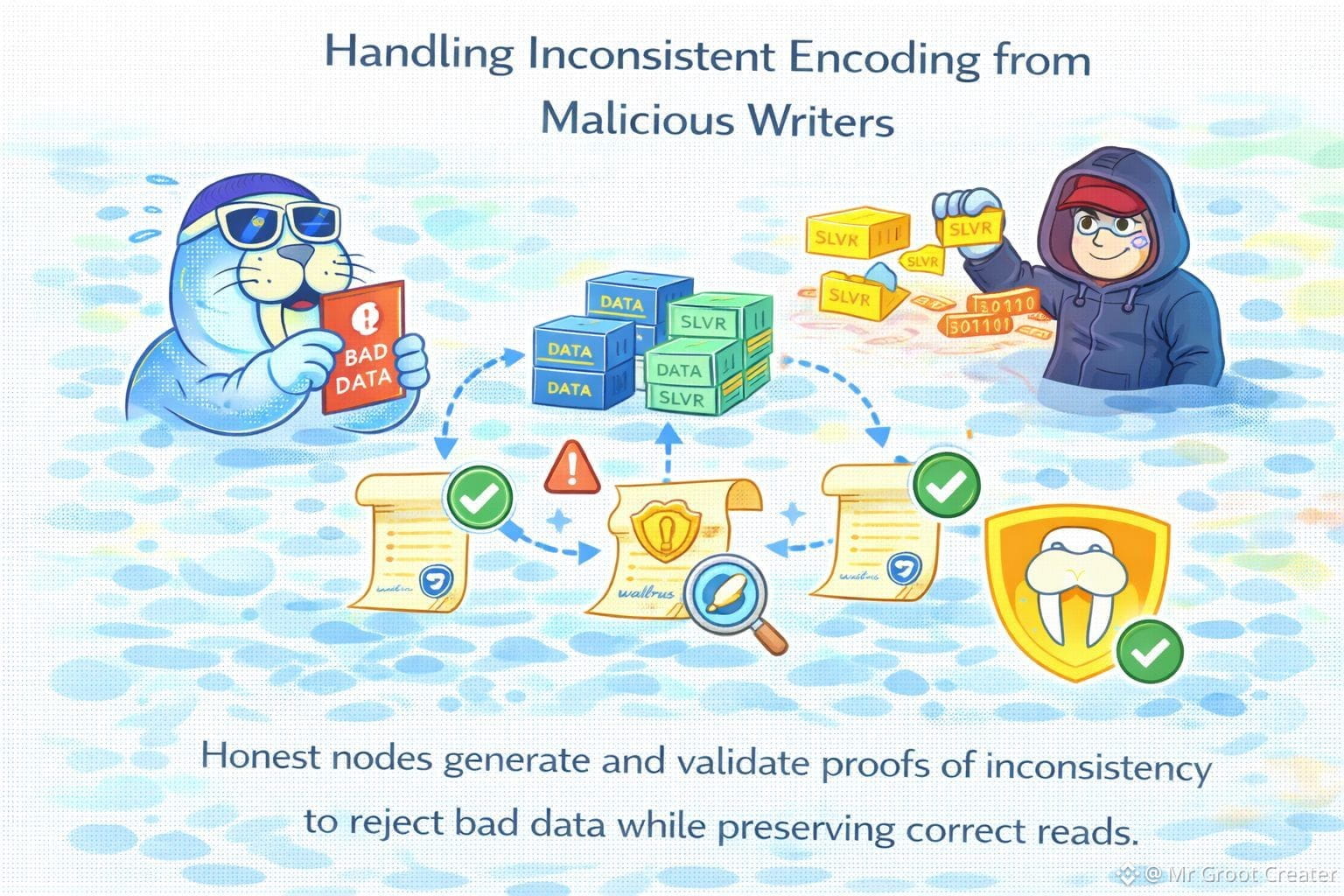
Such PoA procedures provide formal assurances: all the uploads are ultimately sealed and any sealed file can be reassembled provided that some of the providers are trustworthy. The sealer committee is not permanent and it is chosen at random so no one group can censure data.
The idea of token economics and the significance of WAL.
WAL is the indigenous token of Walrus and has many purposes.@Walrus 🦭/acc