
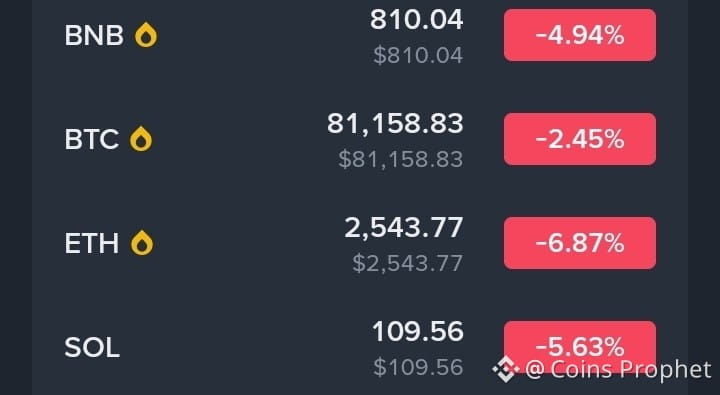
Thị trường tiền điện tử, dẫn đầu bởi BITCOIN (BTC), đã trải qua một sự suy giảm đáng kể vào cuối tháng 1 năm 2026. Tính đến ngày 31 tháng 1 năm 2026, Bitcoin đang giao dịch khoảng 81.000 đến 84.000 đô la (với một số nguồn cho thấy sự biến động gần 82.000–83.000 đô la), đánh dấu một sự sụt giảm đáng kể so với đỉnh điểm vào cuối năm 2025 khoảng 126.000 đô la. Tổng vốn hóa thị trường tiền điện tử lớn hơn cũng đã giảm mạnh trong các phiên giao dịch gần đây, thường giảm hàng tỷ đô la trong bối cảnh biến động tăng cao.
Đây không phải là một sự kiện "sụp đổ" đơn lẻ mà là sự kết hợp của áp lực liên tục gia tăng kể từ cuối năm 2025, với những đợt bán tháo mạnh mẽ gia tăng vào tháng 1 năm 2026 (đặc biệt là vào khoảng thời gian từ 29 đến 31 tháng 1). Đây là một phân tích về các yếu tố chính góp phần dựa trên phân tích thị trường hiện tại:
1. Tâm lý rủi ro rộng rãi trong các thị trường toàn cầu
- Crypto đang hành xử như một tài sản rủi ro cao, có mối tương quan mạnh với cổ phiếu công nghệ và chứng khoán trong các đợt bán tháo.
- Sự giảm mạnh trong cổ phiếu (ví dụ: Microsoft và các tên tuổi Big Tech khác giảm mạnh do lo ngại về chi tiêu cho AI và tăng trưởng chậm lại) đã kích hoạt sự thận trọng rộng rãi hơn.
- Các nhà đầu tư đã rút khỏi các cược rủi ro hơn như crypto để chuyển sang các nơi trú ẩn an toàn hơn (dù ngay cả kim loại quý như vàng và bạc cũng đã chứng kiến sự giảm mạnh trong một số phiên).
2. Những bất ổn kinh tế vĩ mô và chính sách
- Những lo ngại về chính sách của Cục Dự trữ Liên bang Mỹ, bao gồm việc đề cử Kevin Warsh (được coi là diều hâu) làm chủ tịch Fed tiềm năng, đã dấy lên nỗi lo về thanh khoản chặt chẽ hơn hoặc ít cắt giảm lãi suất hơn.
- Những lo ngại liên tục về thuế quan (từ các mối đe dọa thời Trump đối với Trung Quốc, các đồng minh EU và những nước khác), một đồng đô la Mỹ suy yếu, và các căng thẳng địa chính trị (ví dụ: tiêu đề liên quan đến Trung Đông/Iran, lo ngại về chiến tranh thương mại) đã làm hoảng sợ các nhà đầu tư.
- Những cơn gió vĩ mô này đã giảm sự thèm muốn cho các tài sản đầu cơ như crypto.
3. Dòng tiền của các tổ chức và ETF chuyển sang tiêu cực
- Các ETF Bitcoin giao ngay đã thấy sự rút tiền đáng kể (ví dụ: hơn 1,3 tỷ đô la trong các giai đoạn gần đây), đảo ngược dòng tiền vào trước đó và loại bỏ một trụ cột hỗ trợ chính.
- Những người nắm giữ dài hạn và các tổ chức bán ra (hoặc tạm dừng tích lũy) đã tạo thêm áp lực giảm.
4. Các chuỗi sự kiện kỹ thuật và do đòn bẩy
- Bitcoin đã phá vỡ các mức hỗ trợ quan trọng (ví dụ: dưới mức 85,000 đô la như trung bình động 100 tuần), kích hoạt các lệnh dừng lỗ và các mô hình giảm giá (ví dụ: đầu và vai, cờ giảm giá).
- Đòn bẩy cao trên thị trường phái sinh đã dẫn đến việc thanh lý lớn (hàng trăm triệu đến hàng tỷ đô la trong các đợt bán buộc), khuếch đại sự sụt giảm trong các giai đoạn thanh khoản mỏng (ví dụ: vào cuối tuần).
- Hơn 1–2 tỷ đô la trong các vị trí đã bị thanh lý trong một ngày duy nhất trong các đợt bán tháo cao điểm.
5. Các tác động kéo dài từ cuối năm 2025
- Một cú sốc flash crash vào tháng 10 năm 2025 (liên quan đến các đe dọa thuế quan) đã xóa sổ giá trị đáng kể và tạo ra một cơn say, với crypto hoạt động kém hơn cổ phiếu và vàng kể từ đó.
- Sự thừa thãi đầu cơ từ đợt tăng giá năm 2025 (được thúc đẩy bởi sự lạc quan chính trị ủng hộ crypto) đã bị xóa bỏ khi các yếu tố kích thích không duy trì được động lực.
Thị trường vẫn rất biến động, với các nhà phân tích cảnh báo về khả năng sụt giảm thêm (ví dụ: hướng về 70,000–80,000 đô la trong các kịch bản tồi tệ nhất) nếu các mức hỗ trợ không giữ vững, mặc dù một số người thấy cơ hội phục hồi nếu các điều kiện vĩ mô ổn định hoặc người mua tham gia một cách tích cực. Crypto nhạy cảm với những lực lượng bên ngoài này, và tâm lý có thể thay đổi nhanh chóng với các diễn biến mới (ví dụ: rõ ràng về chính sách hoặc dòng tiền cải thiện).
Đây là một tình huống linh hoạt; giá cả và câu chuyện có thể thay đổi nhanh chóng trong crypto.