
Most crypto traders don’t lose because they’re “bad at trading.”
They lose because the market structure itself is designed to mislead them.
On the surface, crypto looks simple: price goes up, price goes down, you buy low and sell high. But beneath that simplicity is a market structure that systematically traps retail traders, drains confidence, and transfers money to players who understand how the game actually works.
Here’s how it breaks—and why so many traders get stuck.
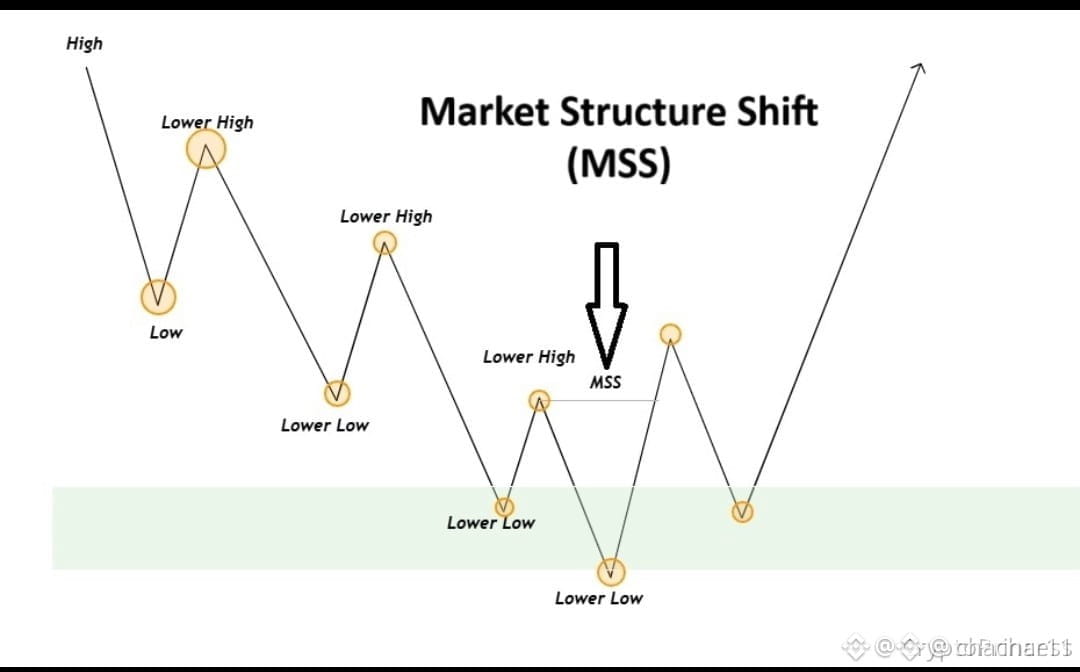
The Illusion of Direction
Crypto markets rarely move in clean trends anymore. Instead, price chops sideways, fakes breakouts, and reverses just when confidence peaks. What looks like a breakout is often just liquidity being harvested.
Retail traders chase green candles.
Smart money waits for those chasers—and then moves price the other way.
This creates a cycle where traders buy tops, sell bottoms, and wonder why “the setup didn’t work.”
Liquidity Runs, Not Price Discovery
In traditional markets, price discovery happens through steady participation. In crypto, especially during low liquidity periods, price often moves to where the most stop losses are sitting.
That’s why you’ll see:
Sudden wicks that hit stops and instantly reverse
Breakouts that fail within minutes
Perfect technical setups that collapse for no clear reason
Price isn’t always moving because of fundamentals or sentiment. It’s often moving because liquidity is being targeted.
Low Liquidity = High Manipulation
Crypto trades 24/7, but liquidity isn’t constant. Weekends, late sessions, and post-news periods are especially thin. During these windows, it takes less capital to move price aggressively.
That’s when traps form:
False breakdowns scare traders into selling
Quick pumps trigger FOMO entries
Sharp reversals punish both sides
Most traders mistake volatility for opportunity. In reality, it’s often a warning sign.
Indicators Lag. Structure Leads.
Many traders rely heavily on indicators—RSI, MACD, moving averages—without realizing they’re reactive tools, not predictive ones.
By the time an indicator confirms a move:
Early buyers are already exiting
Risk is higher, not lower
Upside is limited
Market structure—higher highs, lower lows, ranges, failed breakouts—tells the real story. Ignoring it is like trading blind.
Why Most Traders Stay Stuck
The real trap isn’t a single bad trade. It’s overtrading in broken conditions.
When structure is unclear:
Traders force setups
Losses stack up slowly
Confidence erodes
Instead of stepping back, most double down—believing the next trade will “make it back.” That’s how accounts bleed out quietly, not in one dramatic crash.
What Actually Works
Survival in crypto isn’t about predicting every move. It’s about understanding when not to trade.
Smart traders:
Respect ranges instead of forcing breakouts
Trade less during thin liquidity periods
Focus on risk management over win rate
Wait for structure to confirm, not indicators
In today’s market, patience is a strategy.
Final Thought
Crypto isn’t broken because it’s volatile.
It’s broken because most traders don’t realize the rules have changed.
The market no longer rewards constant action.
It rewards discipline, restraint, and understanding structure.
Those who adapt survive.
Those who chase every move become liquidity.
And in crypto, liquidity always pays the price.



#CZAMAonBinanceSquare #USPPIJump #BitcoinETFWatch #USGovShutdown #WhoIsNextFedChair