
Most crypto projects raising hundreds of millions tell similar story about securing funding from venture capital firms, family offices, and institutional allocators through private rounds offering favorable terms unavailable to regular participants. Plasma built different mechanism where over four thousand wallet addresses committed $373 million toward fifty million dollar target through public sale structured around time-weighted stablecoin deposits determining allocations. I’m describing deliberate architectural choice prioritizing broad distribution over concentrated ownership, creating alignment between those funding development and those ultimately using network for daily stablecoin transactions.
The token sale launched through Sonar, brand new initial coin offering platform created by Echo, the angel investing platform founded by Jordan Fish better known throughout crypto community as Cobie. Sonar represented Echo’s expansion from private investment infrastructure serving accredited investors into public token sales enabling verified users globally to participate at same valuations as sophisticated capital. Plasma became first project deploying through Sonar, effectively proving concept that compliant public fundraising could achieve massive scale when executed through proper compliance infrastructure including KYC and AML verification, jurisdictional filtering, and differentiated lockup periods based on participant location and accreditation status.
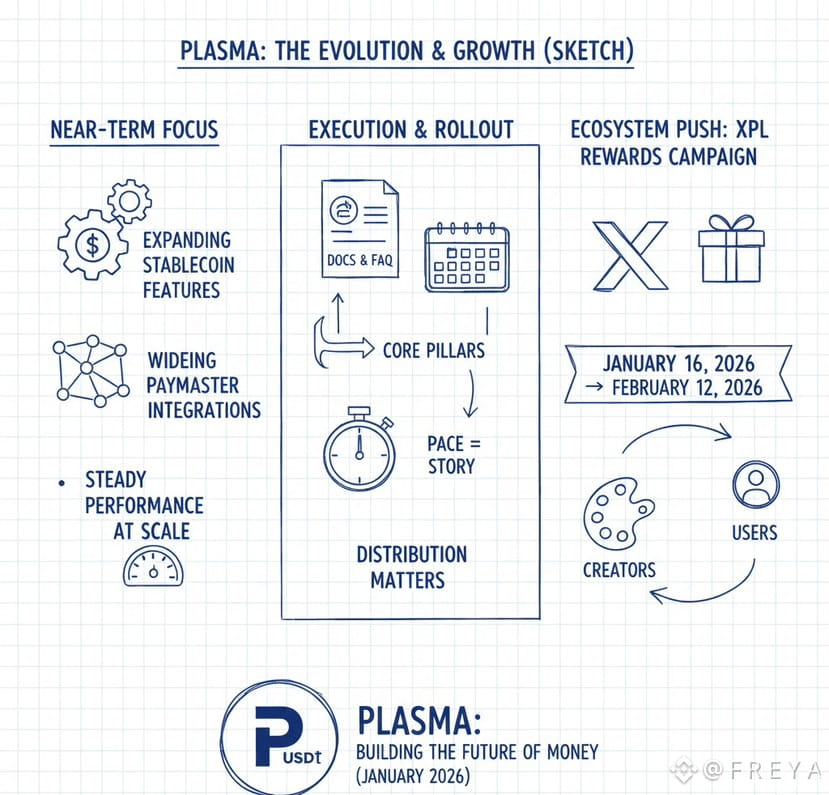
The sale allocated ten percent of total XPL supply equaling one billion tokens priced at five cents each, establishing fully diluted valuation of five hundred million dollars matching recent equity raise led by Founders Fund. This price parity between public sale participants and elite venture investors broke from typical pattern where retail buyers pay significant premium to institutional rounds. Previous fundraising included October 2024 seed round raising approximately four million dollars from Bitfinex with Paolo Ardoino participating personally, followed by February 2025 Series A raising twenty million dollars led by Framework Ventures alongside Founders Fund, DRW, Bybit, Flow Traders, 6th Man Ventures, IMC, Nomura, and Karatage. Combined with July public sale commitments, total capital raised approached five hundred million dollars before mainnet even launched.
The Vault Mechanics Rewarding Long-Term Commitment
The deposit campaign structure created fascinating dynamics around commitment timing and duration. Participants deposited USDT, USDC, USDS, or DAI into Plasma Vault built on Ethereum mainnet using Veda’s audited vault contracts that already secured over 2.6 billion dollars in total value locked across other protocols. Upon depositing, participants began earning units reflecting their time-weighted share of total vault deposits. The longer funds remained deposited and earlier they arrived, the more units accumulated. Final unit count determined guaranteed allocation in XPL sale, rewarding those willing to commit capital for extended period rather than those simply arriving with largest checks.
The genius appeared in withdrawal mechanics. Participants could withdraw deposits anytime during campaign period, but doing so reduced units proportionally to amount withdrawn. This created interesting game theory where participants balanced desire maintaining liquidity against desire maximizing allocation. They’re essentially choosing whether immediate access to capital mattered more than potential upside from larger token allocation, with no clear correct answer depending on individual circumstances and market conditions during deposit window.
Deposits opened June ninth with initial one hundred million dollar cap that filled within minutes. The team rapidly increased limit to two hundred fifty million, which also filled immediately. Within hours, cap increased again to five hundred million dollars. June twelfth announcement raised limit to full one billion dollars, amount that completely filled in under thirty minutes based on blockchain transaction data. Over eleven hundred wallets participated with median deposit approximately twelve thousand dollars, though range extended from minimum one hundred dollars to whales committing tens of millions. One particularly determined participant reportedly paid roughly one hundred thousand dollars in Ethereum gas fees during network congestion to secure ten million USDC deposit slot, demonstrating conviction about allocation value.
Once deposits closed, vault locked completely. No further deposits or withdrawals permitted. This lockup lasted minimum forty days following public sale during which all stablecoin deposits converted to USDT preparing for bridge to Plasma mainnet beta. The conversion to single stablecoin simplified technical logistics while participants earned yield through vault deployments into Aave and Maker during waiting period. At mainnet launch September twenty-fifth, vault positions bridged to Plasma becoming withdrawable as USDT0, the omnichain version of Tether enabling seamless movement across blockchain networks.
The Geographic Lockup Creating Staggered Selling Pressure
The regulatory considerations created differentiated token distribution timeline based on participant location. Non-US purchasers received XPL tokens immediately at mainnet beta launch enabling them to trade, stake, or hold as preferred. US participants faced twelve-month lockup with tokens fully unlocking July twenty-eighth 2026. This geographic differentiation reflected regulatory reality where US securities laws require additional investor protections and accreditation verification that non-US jurisdictions handle differently or don’t impose equivalently.
We’re seeing interesting market dynamics where approximately eighteen percent of total supply became liquid at launch according to tokenomics disclosure, but actual freely tradable supply potentially lower if significant US participant allocation remained locked. The Defiant reached out to Plasma seeking clarification on exactly how much circulating supply at launch represented genuinely tradable tokens versus technically circulating but legally restricted holdings, though project didn’t provide specific breakdown by press time. This ambiguity created uncertainty where market capitalization calculations using total circulating supply potentially overstated actual liquidity available for trading.
The July 2026 US unlock represents known major supply event where potentially hundreds of millions of dollars worth of XPL tokens become liquid simultaneously. If becomes necessary for US participants to sell portions of unlocked holdings for portfolio rebalancing, tax obligations, or profit-taking after twelve-month holding period, market must absorb significant new selling pressure. Conversely, if US participants predominantly stake unlocked tokens for validator rewards or maintain holdings based on fundamental conviction about network adoption trajectory, unlock creates less immediate price impact despite technical supply increase.
The broader unlock schedule extends across three years with complex vesting structures across different allocation categories. Ecosystem and growth category received forty percent totaling four billion XPL with eight hundred million unlocked at launch and remaining 3.2 billion vesting monthly over thirty-six months. Team allocation at twenty-five percent totaling 2.5 billion XPL follows schedule where one-third unlocks after twelve-month cliff with remaining two-thirds vesting monthly over following twenty-four months meaning full unlock occurs thirty-six months from mainnet launch. Investor allocation mirrors team schedule with identical twenty-five percent allocation and vesting timeline.
The Overcommitment Strategy Enabling Allocation Expansion
The sale structure allowed participants committing more funds than required to purchase guaranteed XPL allocation. If any depositors failed purchasing their entitled tokens, those tokens became available for purchase pro rata to participants who committed additional funds beyond their guaranteed amount. For example, someone with guaranteed allocation of one thousand dollars could commit five thousand dollars total, positioning to purchase four thousand dollars additional XPL if other participants didn’t fully exercise allocations. This created interesting dynamic where participants evaluated probability that others would fail to purchase, essentially betting on incomplete subscription from broader participant pool.
The mechanism ensured maximum token distribution while rewarding those most committed to participating. Participants who simply matched guaranteed allocation received exactly their entitled amount. Those overcommitting received guaranteed allocation plus proportional share of any unpurchased tokens based on their excess commitment relative to total overage across all participants. This proportional redistribution prevented first-come-first-served dynamics favoring those with fastest transactions or highest gas fee budgets, instead rewarding those willing to commit largest additional capital relative to their guarantees.
The small depositor recognition program distributed additional twenty-five million XPL tokens at mainnet launch to participants who completed Sonar verification and participated in sale regardless of deposit size. This ensured even those contributing minimum amounts received meaningful token allocation beyond just their purchased amount, broadening ownership and creating more equitable distribution than typical token sales where allocation size correlates directly with capital deployed. The Stablecoin Collective received separate 2.5 million XPL allocation recognizing community members who participated in educational forum and contributed to broader stablecoin adoption efforts before Plasma even launched.
The Validator Economics Delaying Inflation Activation
The tokenomics included validator rewards beginning at five percent annual inflation decreasing by half percent yearly until reaching three percent baseline, but with critical caveat that inflation only activates when external validators and delegation go live. During initial period where Plasma team operates validator nodes as part of progressive decentralization strategy, no new XPL mints through inflation. This means circulating supply remains relatively static during early months beyond scheduled vest unlocks, preventing immediate dilution that validator rewards would otherwise create.
Once external validators begin operating and token holders can delegate XPL to validators earning portion of rewards, inflation activates creating ongoing new token supply. However, Plasma implements EIP-1559 style fee burn mechanism where base transaction fees permanently removed from circulation. Heavy network usage could theoretically create deflationary pressure if burn rate exceeds inflation rate, though this requires sustained high transaction volume beyond speculative trading into actual stablecoin payment activity the network designed to facilitate.
The validator requirements include staking XPL to participate in consensus and earn rewards, though specific minimum stake amounts and exact reward distribution formulas weren’t fully detailed in public documentation at launch. The system uses reward slashing rather than stake slashing, meaning misbehaving validators lose rewards but not staked capital itself. This reduces validator risk compared to networks where protocol violations result in partial or complete stake confiscation, potentially encouraging more conservative operators to participate who might otherwise avoid validation due to concerns about slashing events from honest mistakes rather than malicious behavior.
The Distribution Philosophy Revealing Strategic Priorities
The allocation breakdown demonstrates what team prioritized through where tokens went and when they unlock. The forty percent ecosystem and growth allocation with majority vesting over three years creates sustained funding for developer grants, liquidity mining programs, partnership activations, and market expansion initiatives without requiring team to conduct additional fundraising rounds or sell tokens from other allocations. This represents approximately four billion tokens over thirty-six months providing substantial resources for ecosystem development funded through predetermined allocation rather than opportunistic decisions.
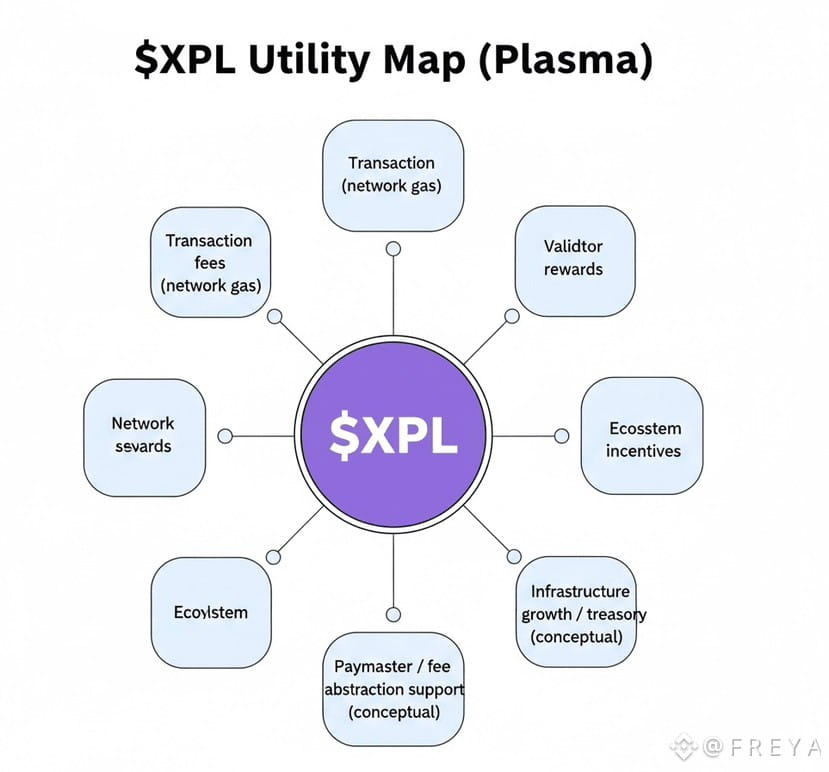
The equal twenty-five percent allocations to both team and investors with identical vesting schedules creates alignment where early team members and financial backers face same liquidity timeline. Both groups subject to one-year cliff preventing any selling during first year, followed by gradual monthly unlocks over subsequent two years. This three-year total vesting period ensures those who built project and those who funded development maintain long-term interest in success rather than ability to exit quickly after launch regardless of fundamental progress.
The ten percent public sale allocation at same per-token price as sophisticated institutional investors represented philosophical commitment to equitable access rather than tiered pricing favoring early or large capital. Combined with overcommitment mechanics allowing allocation expansion and small depositor recognition program, distribution strategy favored broad participation over concentrated ownership. Over four thousand participating wallets versus typical venture-backed projects where handful of firms control majority of supply created more decentralized initial holder distribution, though concentration still exists through team, investor, and ecosystem allocations controlled by project entities.
The Stablecoin Collective allocation and small depositor bonuses totaling 27.5 million XPL represented tiny fraction of total supply but symbolically important commitment to recognizing community participation beyond just capital contribution. Educational contributors, forum moderators, and content creators received allocation acknowledging that successful networks require more than just financial backing—they need engaged communities creating content, answering questions, and evangelizing technology to broader audiences who might otherwise never hear about project.
Confronting The Lockup Cliff Everyone Knows About
The July 2026 US participant unlock looms as most visible known supply event where market must absorb potentially substantial selling pressure from participants who committed hundreds of millions during deposit campaign. US purchasers faced mandatory twelve-month lockup meaning they watched token price fluctuate for full year unable to react to market conditions, creating pent-up desire to take profits, rebalance portfolios, or exit positions regardless of long-term conviction about network fundamentals. If price appreciated significantly during lockup, profit-taking pressure intensifies. If price declined substantially, tax-loss harvesting motivations or desire to deploy capital elsewhere creates selling regardless of future prospects.
The team and investor cliff occurring twelve months from September 2025 mainnet launch creates even larger potential supply event where one-third of combined fifty percent allocation—approximately 1.67 billion tokens—becomes liquid simultaneously. This represents roughly seventeen percent of total supply unlocking single day, though realistically not all will immediately sell given that team members and long-term focused investors typically maintain holdings. Still, even small percentage of cliff unlock translating to actual selling creates meaningful supply increase that market pricing must absorb through either demand growth or price adjustment.
The monthly vesting releases following cliffs create steady predictable supply increases over subsequent twenty-four months where approximately seventy million XPL enters circulation monthly from combined team and investor unlocks alone, not including ecosystem vesting. This ongoing dilution requires corresponding demand growth to maintain stable pricing, meaning network must continuously attract new users, expand transaction volume, increase validator participation, and demonstrate fundamental value beyond just speculative trading interest concentrated around launch period.
The progressive decentralization timeline remains somewhat ambiguous with stated goals to expand validator set and support more stablecoins driving adoption in key regions during 2026, but without specific dates or metrics defining when external validators begin operating, when delegation becomes available, or what constitutes sufficient decentralization for team to relinquish operational control over network security. This creates uncertainty where network remains effectively centralized during indefinite initial period while team operates validators before transitioning to distributed set of external operators whose identity, reputation, and operational security standards remain undefined.
Measuring Success Against Ambition Levels Promised
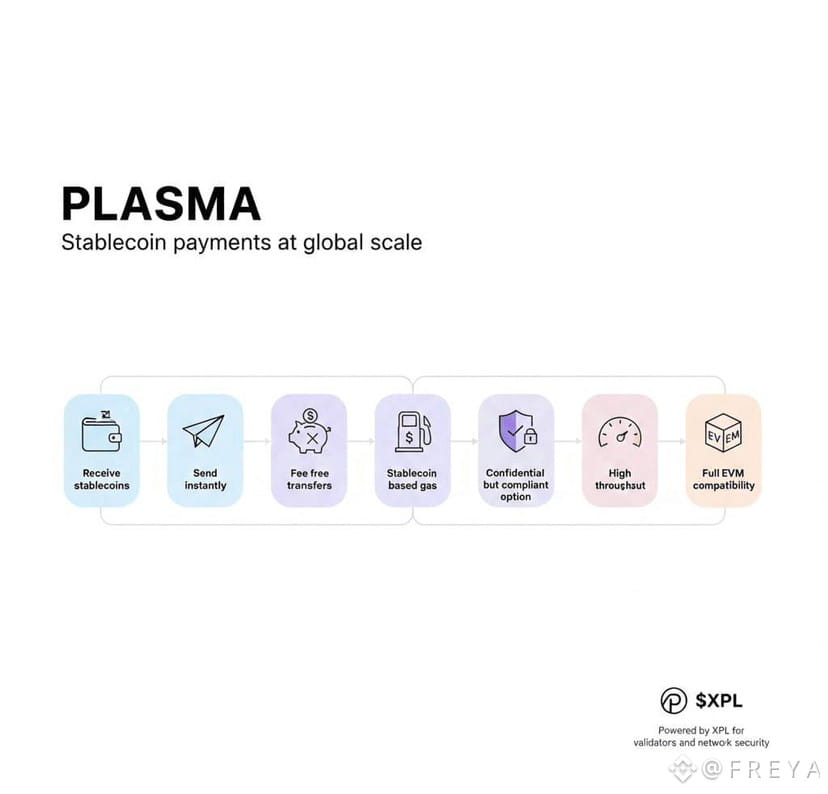
The fundamental question facing Plasma isn’t whether they executed impressive fundraising—$373 million public sale oversubscription and billion-dollar deposit campaign clearly demonstrate market interest and execution capability. The question is whether zero-fee USDT transfers, thousands of transactions per second, Bitcoin-anchored security, and deep DeFi integrations translate into sustained network usage where millions of people and thousands of businesses choose Plasma over alternatives for actual stablecoin payment needs rather than just speculative token trading.
The two billion dollar day-one total value locked across over one hundred DeFi protocols including Aave, Ethena, Fluid, and Euler provided impressive launch liquidity demonstrating serious preparation and partnership development. However, liquidity doesn’t equal usage. High TVL numbers could reflect strategic capital deployment from partners and ecosystem fund allocation rather than organic user deposits choosing Plasma for superior product experience. The real metrics emerge over months as transaction counts, active address growth, daily USDT transfer volume, and validator participation reveal whether infrastructure serves actual payment needs or remains impressive but underutilized technology.
The token price trading around twenty-four cents in early 2026—over seventy-five percent below dollar launch price—despite continued development progress and partnership announcements suggests market remains skeptical whether current network activity justifies valuations implied even at depressed pricing. The upcoming unlocks through mid-2026 and beyond create known selling pressure requiring offsetting demand growth that must come from fundamental usage driving validator rewards, fee generation, and token utility beyond just speculation about future adoption.
Looking forward several years, success means daily USDT transaction volume measured in billions rather than millions, active users numbered in tens of millions rather than thousands, external validator set comprising dozens or hundreds of independent operators rather than just team-run nodes, and Bitcoin bridge facilitating substantial two-way capital flow between Bitcoin holders seeking stablecoin access and stablecoin users wanting Bitcoin security. It means Plasma One neobank attracting millions maintaining balances and executing payments because product genuinely superior to alternatives, not because early adopters claim tokens or promotional incentives temporarily drive activity. Most importantly, it means the zero-fee value proposition and stablecoin-first architecture create sufficient differentiation that rational users and businesses migrate from Tron, Ethereum, Solana despite those networks’ established presence and network effects accumulated over years of operation. The infrastructure exists to enable all this. Whether execution matches ambition determines if Plasma becomes essential financial rails or becomes cautionary tale about confusing impressive launch metrics with sustainable adoption.