
4 Feb 2026. Biên soạn bởi Paul de Bruyn 2026 ©
Giới thiệu
Trong bối cảnh tài chính toàn cầu đang phát triển không ngừng,
các loại tiền điện tử đã chuyển từ những thử nghiệm bên lề thành phần thiết yếu
của các hệ thống tài chính được thể chế hóa. Được sinh ra từ cuộc khủng hoảng tài chính toàn cầu 2008
với sự ra đời của Bitcoin do người ẩn danh Satoshi Nakamoto,
các tài sản kỹ thuật số này ban đầu được hình dung như là những lựa chọn phi tập trung cho
các loại tiền tệ fiat truyền thống, thoát khỏi sự kiểm soát của ngân hàng trung ương.
Ngày nay, tuy nhiên, câu chuyện đã chuyển biến một cách đáng kể.
Các tổ chức toàn cầu—từ ngân hàng trung ương và chính phủ đến các tổ chức lớn—
Các công ty đầu tư và tập đoàn đa quốc gia không chỉ thừa nhận
tiền điện tử nhưng chủ động tích hợp chúng vào hoạt động của họ thông qua
các cơ chế như Tiền kỹ thuật số của Ngân hàng Trung ương (CBDC), tài sản được mã hóa và
Các sàn giao dịch được quản lý. Việc thể chế hóa này đề cập đến cấu trúc
việc áp dụng tiền điện tử và công nghệ blockchain bởi các tổ chức tài chính truyền thống
các thực thể, chuyển đổi chúng từ các công cụ đầu cơ thành các thực thể được quản lý và có khả năng mở rộng.
các công cụ để chuyển giao giá trị, đầu tư và đổi mới kinh tế.
Điều gì thúc đẩy sự thay đổi này? Đó là sự kết hợp của nhiều yếu tố, bao gồm:
sự rõ ràng về quy định, sự trưởng thành về công nghệ, áp lực kinh tế và...
Theo đuổi đa dạng hóa trong bối cảnh bất ổn toàn cầu. Tính đến năm 2026,
Vốn hóa thị trường tiền điện tử vượt quá vài nghìn tỷ đô la, với
Dòng vốn đầu tư tổ chức lần đầu tiên vượt qua sự thống trị của đầu tư bán lẻ.
lịch sử.
Bài viết này đi sâu vào các cơ chế nền tảng của điều này.
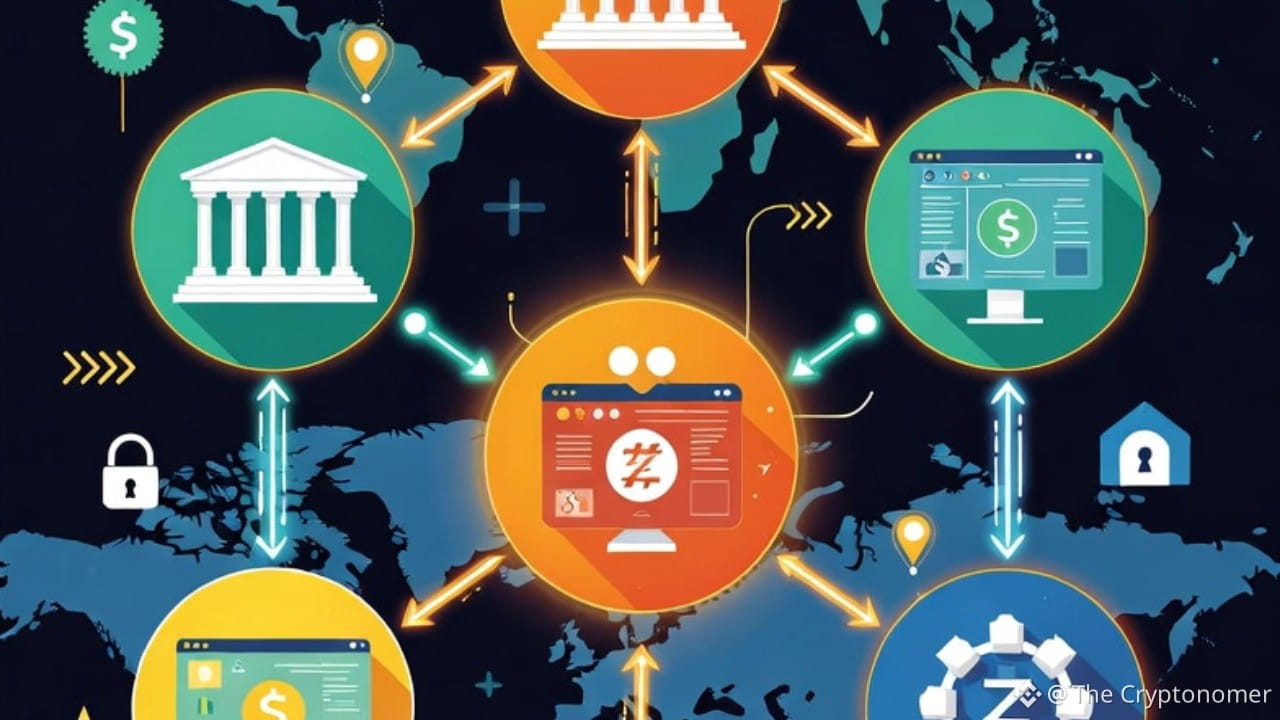
Thể chế hóa toàn cầu, khám phá cách thức các loại tiền điện tử đang được kết nối.
vào cấu trúc của tài chính quốc tế. Chúng ta sẽ xem xét bối cảnh lịch sử,
Các khuôn khổ hiện tại, động lực chính, thách thức vốn có và định hướng tương lai.
Bằng cách hiểu rõ những yếu tố này, các bên liên quan có thể vượt qua những phức tạp của vấn đề.
Một nền kinh tế toàn cầu tích hợp tiền điện tử, nơi lời hứa về tính minh bạch, hiệu quả và toàn diện của blockchain gặp gỡ thực tế về sự giám sát của các thể chế.
Về bản chất, việc thể chế hóa được thúc đẩy bởi nhu cầu ổn định trong một xã hội.
Thế giới bất ổn. Rủi ro kinh tế, như lạm phát và gánh nặng nợ, đang đẩy mọi thứ vào tình trạng khó khăn.
các tổ chức hướng tới các tài sản như Bitcoin như một công cụ phòng ngừa rủi ro, trong khi những tiến bộ trong
Công nghệ blockchain cho phép tích hợp liền mạch với các hệ thống truyền thống.
Các cơ quan quản lý trên toàn thế giới đang xây dựng các khuôn khổ để
giảm thiểu rủi ro, tạo môi trường thuận lợi cho tiền điện tử phát triển mà không cần
Làm suy yếu sự ổn định tài chính. Sự tiến hóa lịch sử của tiền điện tử.
Thể chế hóa. Hành trình hướng tới việc áp dụng trong thể chế bắt đầu một cách khiêm tốn.
nhưng đã tăng tốc nhanh chóng. Sách trắng của Bitcoin năm 2008 đề xuất mô hình ngang hàng (peer-to-peer).
Hệ thống tiền điện tử, tận dụng công nghệ blockchain - công nghệ sổ cái phân tán.
(Công nghệ sổ cái phân tán) — nhằm loại bỏ các trung gian.
Những năm qua được đánh dấu bằng sự hưng phấn và biến động của thị trường bán lẻ, với
Các sự kiện như vụ tấn công mạng Mt. Gox năm 2014 đã làm nổi bật những lỗ hổng bảo mật.
Vào giữa những năm 2010, các tổ chức bắt đầu thử nghiệm. Năm 2017, Chicago
Sàn giao dịch hàng hóa CME đã ra mắt hợp đồng tương lai Bitcoin, cung cấp một nền tảng được quản lý.
một kênh để phòng ngừa rủi ro và đầu cơ.
Điều này đánh dấu một bước ngoặt quan trọng, khi các hợp đồng tương lai mang lại tính hợp pháp và thu hút vốn đầu tư từ các tổ chức. Tuy nhiên, "mùa đông tiền điện tử" năm 2018-2019 đã làm giảm bớt sự lạc quan, cho thấy nhu cầu về quản trị mạnh mẽ. Thập niên 2020 đã mở ra một kỷ nguyên mới. Đại dịch COVID-19 đã thúc đẩy quá trình chuyển đổi kỹ thuật số, với các khoản thanh toán không tiếp xúc và tài chính từ xa làm tăng sức hấp dẫn của blockchain.
Các ngân hàng trung ương, thận trọng với các loại tiền điện tử tư nhân như Libra của META (sau này là Diem), bắt đầu nghiên cứu về tiền kỹ thuật số của ngân hàng trung ương (CBDC). Đến năm 2023, hơn 100 quốc gia đã thử nghiệm hoặc ra mắt tiền kỹ thuật số, với Nhân dân tệ kỹ thuật số của Trung Quốc dẫn đầu. Các cột mốc pháp lý đã thúc đẩy hơn nữa quá trình thể chế hóa. Quy định về Thị trường Tài sản Tiền điện tử (MiCA) của Liên minh Châu Âu, có hiệu lực đầy đủ vào cuối năm 2024, đã cung cấp một khuôn khổ thống nhất về tính minh bạch, ủy quyền và giám sát trên khắp các quốc gia thành viên.
Tại Mỹ, việc SEC phê duyệt các quỹ ETF Bitcoin giao ngay vào năm 2024, tiếp theo là Đạo luật GENIUS về stablecoin vào năm 2025, đã mở khóa hàng nghìn tỷ đô la vốn tiềm năng.
Những diễn biến này đã chuyển đổi quyền sở hữu từ tập trung vào bán lẻ sang
bị chi phối bởi các tổ chức, với các công ty như BlackRock và Fidelity tham gia vào thị trường tiền điện tử.
sản phẩm. Trên phạm vi toàn cầu, Ngân hàng Thanh toán Quốc tế (BIS) đã đóng một vai trò
đóng vai trò then chốt, nhấn mạnh những rủi ro và cơ hội của hệ sinh thái tiền điện tử.
Stablecoin xuất hiện như những cầu nối, duy trì tỷ giá cố định với tiền pháp định.
các loại tiền tệ và thúc đẩy sự phát triển của DeFi (Tài chính phi tập trung). Từ các loại tiền tệ không được bảo đảm
Từ các loại tài sản như Bitcoin đến các stablecoin được bảo đảm bằng tài sản, sự phát triển này phản ánh sự pha trộn.
của sự phân quyền và tập trung, trong đó các trung gian như các sàn giao dịch đóng vai trò quan trọng.
(Ví dụ: Binance, Coinbase) giành lại quyền kiểm soát.
Quá trình phát triển lịch sử này nhấn mạnh một mô hình: khủng hoảng thúc đẩy đổi mới, các quy định cung cấp rào cản, và các thể chế thúc đẩy quy mô. Các cơ chế toàn cầu hiện tại cho tiền điện tử được thể chế hóa. Các cơ chế hiện nay rất đa diện, bao gồm khung pháp lý, tích hợp công nghệ và cơ sở hạ tầng thị trường. Trước hết, khung pháp lý tạo thành xương sống. Tại châu Âu, MiCA hài hòa các quy tắc cho các nhà cung cấp dịch vụ tài sản tiền điện tử, bao gồm mọi thứ từ phát hành đến lưu ký.
Hoa Kỳ áp dụng một phương pháp chắp vá, trong đó SEC phân loại hầu hết các token là chứng khoán, trong khi CFTC giám sát các loại hàng hóa như Bitcoin.
Lập trường tiến bộ của Singapore thông qua Cơ quan Tiền tệ
thúc đẩy đổi mới thông qua các môi trường thử nghiệm, trong khi lệnh cấm tiền điện tử tư nhân của Trung Quốc lại gây cản trở.
thúc đẩy việc phát hành tiền kỹ thuật số của ngân hàng trung ương (CBDC) do nhà nước kiểm soát.
Thứ hai, CBDC thể hiện sự tham gia trực tiếp của các tổ chức.
Các loại tiền kỹ thuật số quốc gia này, do các ngân hàng trung ương phát hành, nhằm mục đích tăng cường
Hiệu quả thanh toán trong khi vẫn duy trì kiểm soát tiền tệ. Đồng Sand Dollar của Bahamas và eNaira của Nigeria là những ví dụ về các quốc gia tiên phong, trong khi các dự án thí điểm ở EU và Mỹ tập trung vào khả năng tương tác với các blockchain tư nhân.
Thứ ba, tài sản được mã hóa đang cách mạng hóa lĩnh vực tài chính.
Công nghệ Blockchain cho phép số hóa các tài sản trong thế giới thực (RWA) như trái phiếu,
Bất động sản và hàng hóa, giúp cải thiện tính thanh khoản và khả năng tiếp cận. Các tổ chức như JPMorgan và Goldman Sachs đang mã hóa các quỹ và chứng khoán, giảm thời gian thanh toán từ vài ngày xuống còn vài phút.
Thứ tư, các sàn giao dịch và các tổ chức lưu ký đóng vai trò là cổng kết nối. Các sàn giao dịch tập trung (CeFi) như Coinbase cung cấp các dịch vụ cấp độ tổ chức, bao gồm môi giới chính và giao dịch OTC. Các giải pháp lưu ký từ các ngân hàng, được các cơ quan quản lý như OCC cấp phép, đảm bảo lưu trữ an toàn.
Thứ năm, các giao thức DeFi, dù phi tập trung, đang ngày càng được thể chế hóa. Các nền tảng như Aave và Uniswap thu hút vốn đầu tư mạo hiểm, trong khi các công ty truyền thống xây dựng các mô hình lai.
Cuối cùng, sự phối hợp quốc tế thông qua các tổ chức như Hội đồng ổn định tài chính (FSB) và IMF giải quyết các rủi ro xuyên biên giới, thúc đẩy các tiêu chuẩn về chống rửa tiền (AML) và nhận dạng khách hàng (KYC).
Các cơ chế này đảm bảo tiền điện tử tích hợp liền mạch vào hệ thống tài chính toàn cầu, cân bằng giữa đổi mới và giám sát. Các yếu tố chính thúc đẩy sự chấp nhận của các tổ chức Một số yếu tố thúc đẩy sự gia tăng này trong giới tổ chức. Sự rõ ràng về quy định đứng đầu danh sách. Các quy tắc rõ ràng làm giảm sự không chắc chắn, khuyến khích sự tham gia. Việc phê duyệt MiCA và ETF của Hoa Kỳ đã củng cố niềm tin, với các tổ chức coi các quy định là yếu tố chính tạo điều kiện thuận lợi.
Vào năm 2025, các đạo luật lưỡng đảng của Hoa Kỳ như Đạo luật Clarity đã tích hợp hơn nữa công nghệ blockchain với các thị trường truyền thống.
Sự trưởng thành về công nghệ cũng là một yếu tố thúc đẩy khác. Những tiến bộ về khả năng mở rộng (ví dụ: Ethereum 2.0) và khả năng tương tác giúp blockchain trở nên khả thi cho việc sử dụng trong doanh nghiệp.
Hợp đồng thông minh tự động hóa các quy trình, giảm chi phí trong thanh toán và quyết toán.
Các yếu tố kinh tế đóng vai trò then chốt. Trong bối cảnh nợ công của Mỹ ngày càng gia tăng,
Trước những lo ngại về lạm phát, các loại tiền điện tử như Bitcoin đóng vai trò như công cụ phòng ngừa rủi ro, tương tự như vàng kỹ thuật số. Các tổ chức tìm kiếm sự đa dạng hóa, với mối tương quan thấp với cổ phiếu và trái phiếu, mang lại khả năng phục hồi cho danh mục đầu tư.
Sự gia tăng thanh khoản toàn cầu sau đại dịch COVID đã thổi phồng giá trị truyền thống.
tài sản, thúc đẩy các nhà phân bổ vốn hướng tới tiền điện tử để tìm kiếm lợi nhuận. Nhu cầu thị trường và
Cạnh tranh thúc đẩy việc áp dụng. Với 86% các tổ chức có kế hoạch đầu tư vào tiền điện tử.
Đến năm 2025, các công ty như State Street và Franklin Templeton sẽ tung ra các sản phẩm.
để duy trì khả năng cạnh tranh.
Các phân khúc khách hàng, bao gồm cả những công ty am hiểu công nghệ blockchain như Coinbase,
Nhu cầu về các dịch vụ tích hợp ngày càng tăng. Sự bất mãn của các tổ chức đối với các hệ thống cũ đang thúc đẩy sự chuyển đổi này. Tham nhũng và sự thiếu hiệu quả trong lĩnh vực tài chính truyền thống có mối tương quan với tỷ lệ chấp nhận tiền điện tử cao hơn, vì các giải pháp thay thế phi tập trung mang lại sự minh bạch.
Các vấn đề môi trường được giải quyết thông qua phát triển bền vững.
Các giao thức khai thác và bằng chứng cổ phần.
Tâm lý cá nhân cũng ảnh hưởng đến:
Kiểm soát nội tại, lòng tự tin và sở thích rủi ro định hình đầu tư.
Ý định, được khuếch đại bởi khả năng tiếp cận toàn cầu.
Nhìn chung, những yếu tố thúc đẩy này tạo ra một chu kỳ tự củng cố, trong đó việc áp dụng dẫn đến sự trưởng thành. Những thách thức và rủi ro trong quá trình thể chế hóa. Mặc dù
Mặc dù có tiến bộ, nhưng thách thức vẫn còn tồn tại. Sự biến động vẫn là một trở ngại, ảnh hưởng đến giá tiền điện tử.
những biến động cản trở các thể chế bảo thủ.
Sự phân mảnh về quy định giữa các khu vực pháp lý tạo ra gánh nặng tuân thủ, làm trầm trọng thêm các rủi ro như rửa tiền và trốn thuế.
Các mối đe dọa an ninh mạng đang ngày càng gia tăng, với các vụ tấn công mạng và lừa đảo càng nhấn mạnh sự cần thiết của việc lưu trữ dữ liệu mạnh mẽ.
Tính chất ẩn danh giả tạo của phi tập trung hóa làm phức tạp thêm công tác quản trị.
Dẫn đến sự phân nhánh và tranh chấp. Tác động môi trường từ việc tiêu thụ năng lượng lớn.
Ngành khai thác mỏ đang bị giám sát chặt chẽ, dẫn đến việc chuyển sang các cơ chế thân thiện với môi trường hơn.
Cuối cùng, rủi ro hệ thống phát sinh từ mối liên hệ ngày càng chặt chẽ của tiền điện tử với tài chính truyền thống, có khả năng khuếch đại các cú sốc. Triển vọng tương lai. Nhìn về phía trước, năm 2026 hứa hẹn sự hội nhập sâu rộng hơn. Các đạo luật lưỡng đảng của Hoa Kỳ sẽ tạo điều kiện thuận lợi cho việc phát hành trên chuỗi, trong khi
Các tiêu chuẩn toàn cầu thông qua Diễn đàn Kinh tế Thế giới và FSB sẽ hài hòa hóa
quy định.
Việc mã hóa tài sản sẽ mở rộng lên đến hàng nghìn tỷ đô la, với CBDC (tiền kỹ thuật số của ngân hàng trung ương) cho phép tạo ra tiền có thể lập trình được.
Phần kết luận
Việc thể chế hóa tiền điện tử đánh dấu một sự thay đổi mang tính đột phá trong lĩnh vực tài chính toàn cầu, được thúc đẩy bởi quy định, công nghệ và kinh tế. Khi các cơ chế hoàn thiện hơn, nền kinh tế tiền điện tử sẽ thúc đẩy sự đổi mới đồng thời giảm thiểu rủi ro, mở đường cho một tương lai tài chính toàn diện hơn.
Bài viết được nghiên cứu và biên soạn bởi @thecryptonomer. 04-02-2026
© 2026