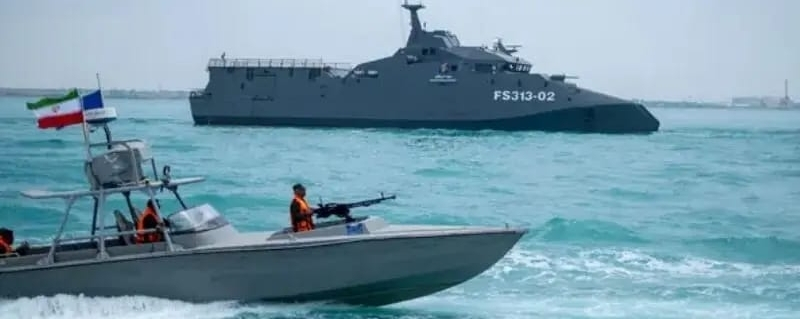
In a sharp escalation of maritime tensions, Iran has officially moved to re-close the Strait of Hormuz, one of the world’s most critical oil transit chokepoints. According to Iranian state media, the decision comes as a direct response to what Tehran describes as the continued U.S. blockade of Iranian ports.
This isn’t just another geopolitical headline — it’s a move with massive implications for global energy markets, shipping routes, and regional stability.
⚔️ What Just Happened?
Iran’s Islamic Revolutionary Guard Corps (IRGC) issued a strong statement confirming that control over the Strait has now been restored to its “previous operational status” — meaning tight military oversight and restricted access.
Just days earlier, Iran had conditionally reopened the Strait for international commercial vessels, under three key terms. But Tehran made it clear:
➡️ If U.S. naval restrictions continued, the Strait could be shut again.
➡️ That warning has now turned into action.
🔥 Iran’s Justification
Iranian military leadership didn’t hold back. In their official statement, they accused the United States of:
Conducting “maritime piracy” under the guise of enforcement
Targeting Iranian vessels despite no formal war declaration
Violating the spirit of de-escalation and ceasefire norms
As a result, Iran says it had no choice but to tighten its grip on this strategic waterway.
🌍 Why This Matters (Big Time)
The Strait of Hormuz handles roughly 20% of the world’s oil supply. Any disruption here can:
Spike global oil prices instantly
Disrupt supply chains across Asia, Europe, and beyond
Trigger military tensions in the Gulf region
Markets don’t wait for clarity — they react to risk. And right now, risk just went parabolic.
⛔ What Happens Next?
Iran has made its position crystal clear:
“Until the United States fully lifts restrictions on Iranian maritime movement, the Strait will remain under strict control.”
This sets up a high-stakes standoff:
Will the U.S. ease its naval pressure?
Or are we heading toward a deeper maritime confrontation?
📊 Final Take
This isn’t just about Iran vs. the U.S. anymore — it’s about who controls the arteries of global trade.
The Strait of Hormuz is no longer just a passage.
It’s now a pressure point — and the world is watching.
Stay sharp. This story is still unfolding.
#BREAKING #BTC #iran #StraitOfHormuz #AltcoinRecoverySignals?