

Vanar makes sense to me when I treat it like the backend of a consumer app, something that is not allowed to feel strange, not allowed to surprise people, and not allowed to demand that users learn crypto behavior just to do simple things
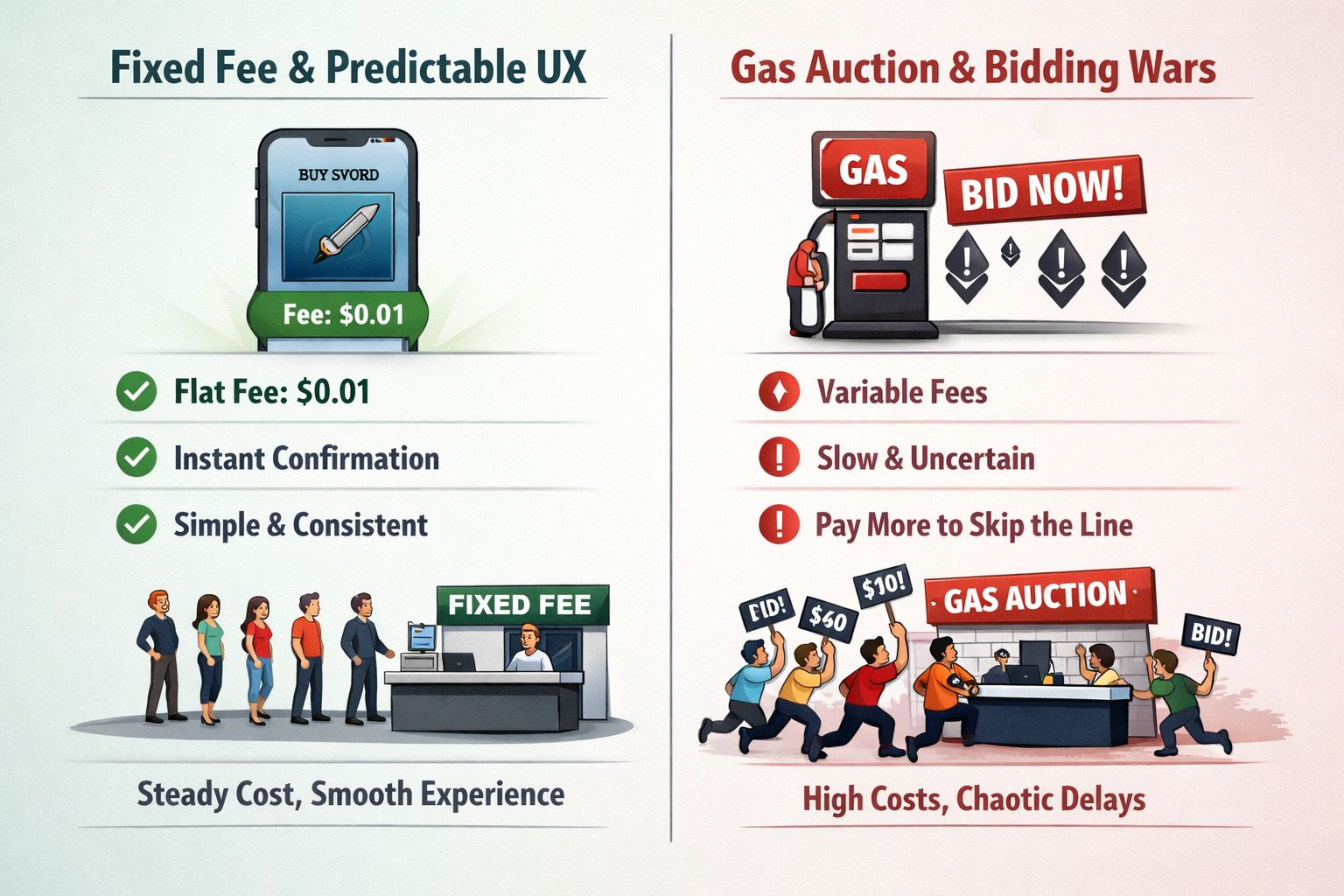
The core idea is invisible blockchain user experience, the chain should fade into the background, users should not have to notice gas, mempools, or bidding games, the product should feel like a normal app where actions complete, costs stay predictable, and nothing suddenly changes when demand spikes
That matters because mainstream users are not anti crypto, they are anti friction, the moment an action feels confusing they leave, and they do not come back, games and collectible flows are especially unforgiving, buying a game item, claiming a digital collectible, moving assets inside a metaverse, these are small actions but they carry emotion, status, and momentum, if the experience stutters, the magic breaks
Architecturally Vanar reads as pragmatic, it leans into EVM compatibility so builders can ship without rewriting their world, but the key move is shaping the transaction experience around predictability, fixed fees and more consistent handling are not just marketing, they are the design center, the goal is steady fee, steady experience, so studios and brands can budget like real businesses do, in fiat terms, without having their unit economics wrecked by fee auctions
The fee model is also about fairness, when chains turn into an auction, normal users become second class, pay more get included first becomes a product killer, Vanar aims for a more orderly flow, the mental model is simple, a price tag and a line at the counter beats a bidding war, especially for consumer products
On validators I think the honest view is stability first has logic, starting with known operators can help reliability and accountability, which matters for consumer rails, but credibility depends on what happens next, if the network does not open up over time then centralization risk becomes permanent, the best path is measured expansion with clear criteria and transparency, so reliability stays high while neutrality strengthens
VANRY fits best when you talk about it like a working token, not a ticker, it is the fuel for network activity, and it ties into staking and delegation dynamics that support security and validator incentives, the cleanest long term value story is usage driven, more real actions on chain, more demand for fees and security alignment, less reliance on hype
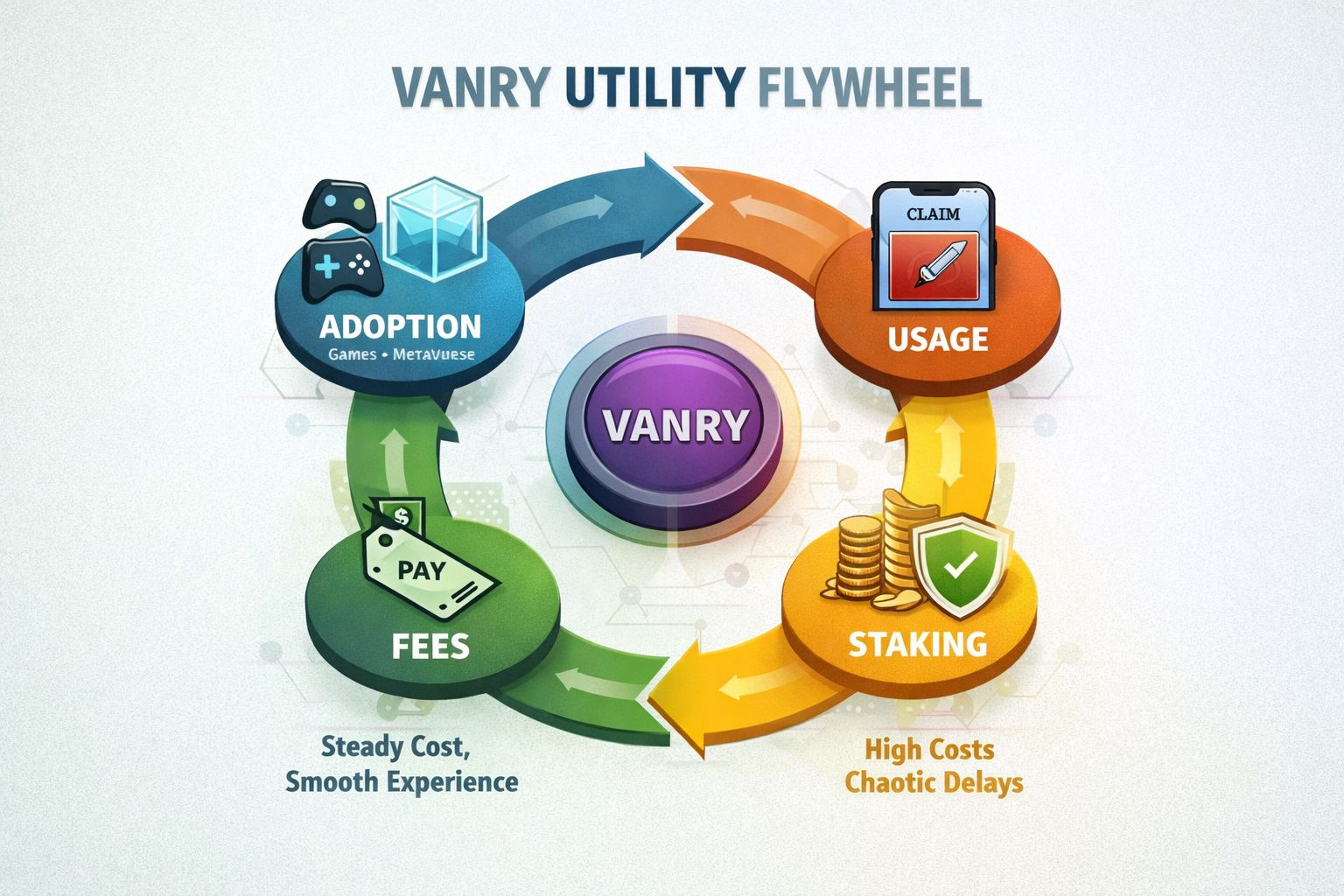
For data points I care more about chain reality than social buzz, explorer stats showing very large cumulative activity suggest the network is being used at scale, even if address counts can be noisy, high transaction volume aligns with a consumer chain thesis because games and metaverse loops create many small actions, that is the kind of load where predictable fees and consistent execution actually matter
The ecosystem role is where the thesis becomes real, Virtua and VGN matter because they represent consumer environments, not abstract demos, gaming is the stress test for any chain claiming mainstream readiness, it demands speed, stability, and the absence of weird moments, a chain built for traders can survive chaos, a chain built for players cannot
The future direction that could separate Vanar is the practical AI angle, it only works if it stays grounded in outcomes, not diagrams, the useful version is auditable data objects that are searchable, owned, permissioned, and provable, if Vanar can make that real then the stack becomes more than payments and collectibles, it becomes infrastructure for trust and provenance in consumer and enterprise contexts
My conclusion is simple, Vanar is trying to win by removing surprises, that is a harder promise than it sounds, because it must hold under stress, under growth, and under scrutiny, if Vanar keeps fees steady, keeps execution predictable, and opens validator participation in a credible way, then the chain becomes valuable for the most unglamorous reason imaginable, people use it every day without thinking about it, and VANRY matters because it is embedded in that normal behavior
