

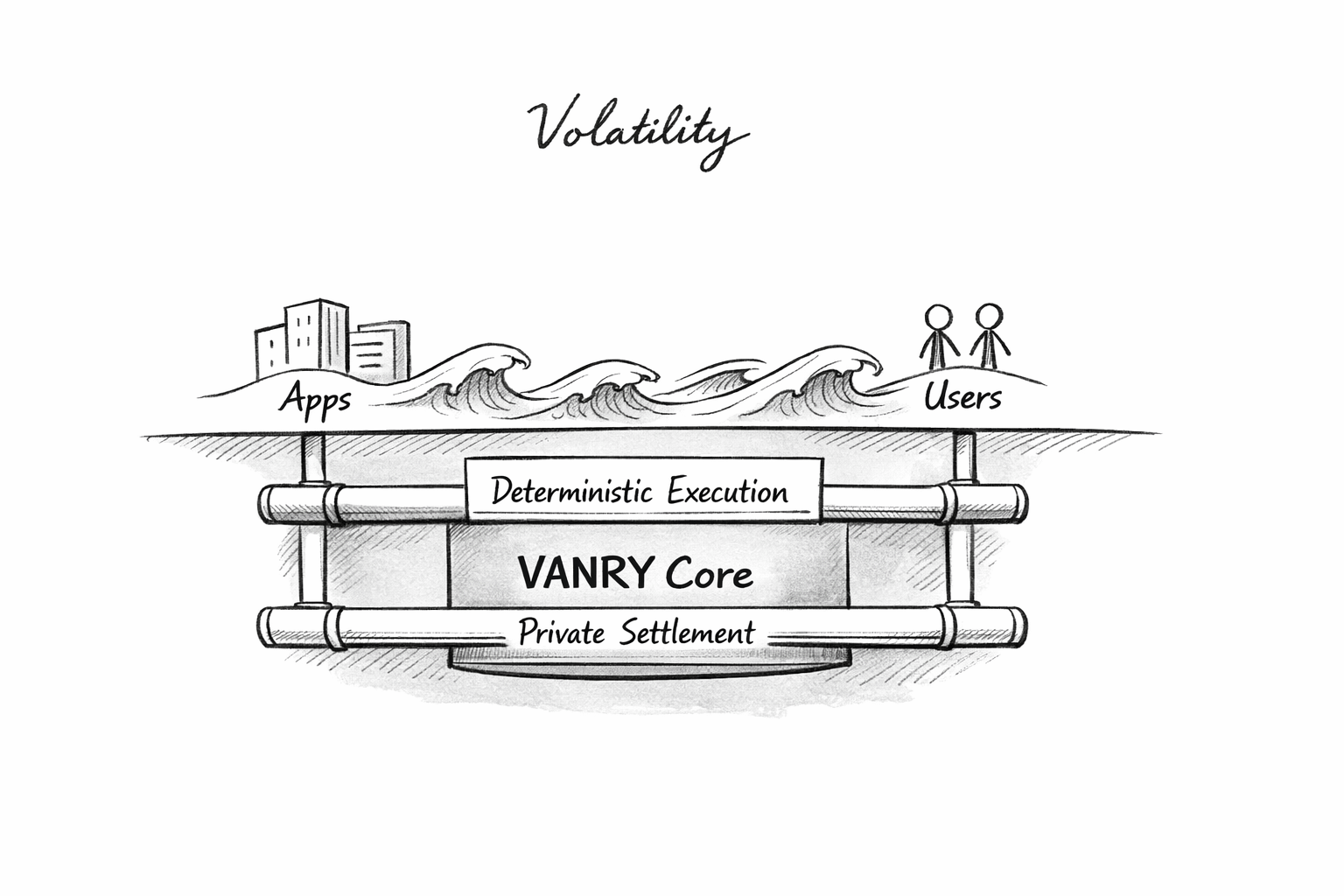
In every crypto cycle, the biggest stories get the most attention first. Speed. TPS. Meme velocity. Token multipliers. But ultimately, something more subtle separates the survivors: composure.
I’ve seen several cycles come and go—from the ICO explosion to DeFi summer, from NFT mania to AI-fueled speculation. Each cycle begins with observable performance characteristics and ends with a question of structural integrity. Which blockchains remained robust under congestion? Which ecosystems continued to support developers after the incentives dried up? Which infrastructures enabled actual products to be delivered without constant breakage?
This is where the discussion of VANRY and the Vanar ecosystem as a whole becomes fascinating—not from a hype cycle point of view, but from an architectural one.
Market composure is not a function of price stability. It’s a function of execution stability.
In gaming, where latency and determinism are more important than marketing, infrastructure is simply functional or it’s not. Gamers won’t accept unpredictable transaction results. AI systems engaging with on-chain logic require deterministic finality and privacy-preserving computation. These are not speculative needs—they’re design requirements.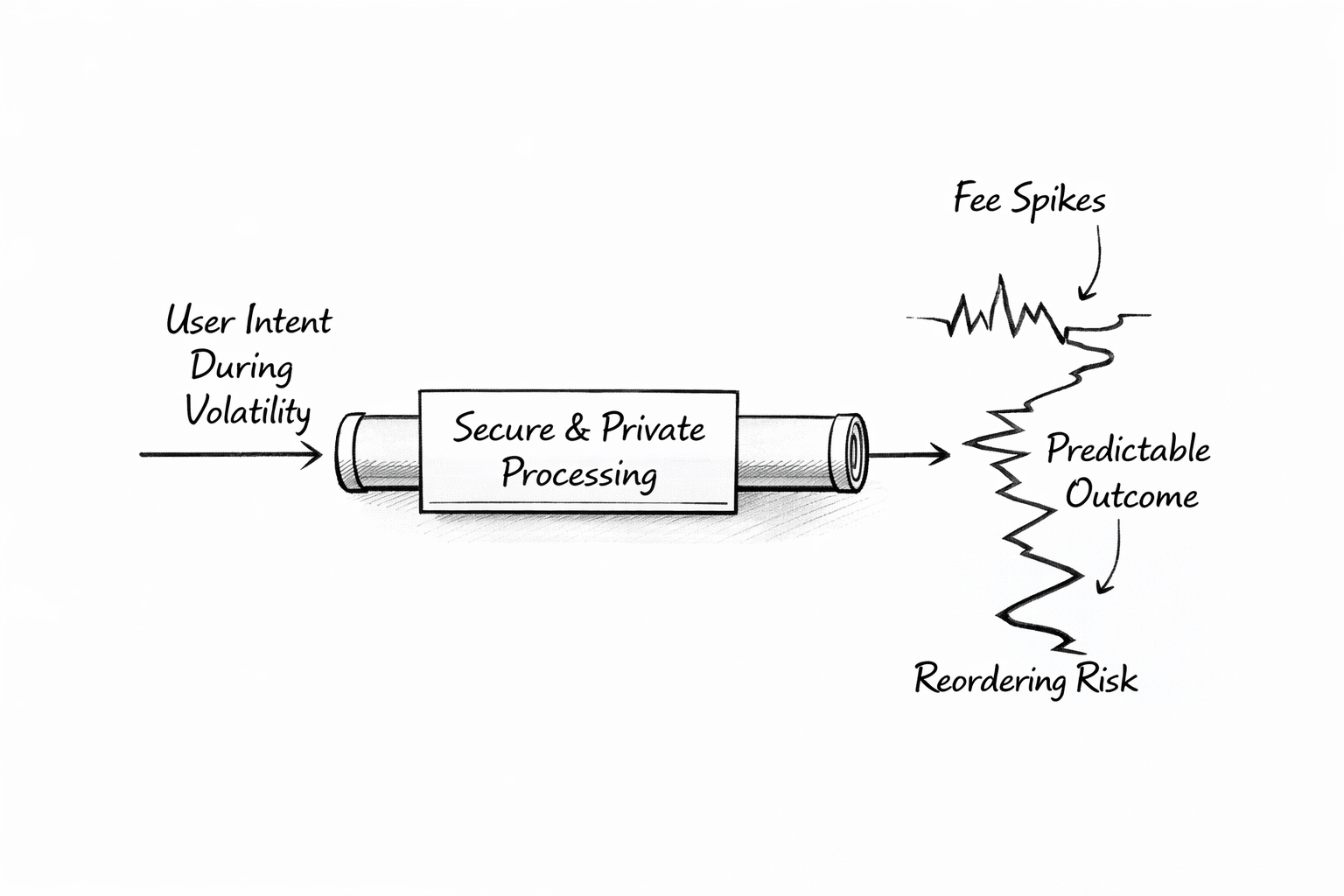
Many L1 blockchains were developed for open financial experimentation. Few were designed with high-frequency, user-facing environments in mind. When you look at blockchain cycles closely, you start to see that the blockchains that are most appealing to gaming and AI-native developers are those that value invisible properties: execution consistency, fee stability, and secure computation layers that don’t need constant user attention.
Security that requires attention is friction. Security that happens in the background is flow.
Vanar’s positioning on invisible security and deterministic execution implies a different set of values. Rather than competing solely on throughput, it seems to be about reducing uncertainty at the infrastructure level. This is more important than most traders appreciate.
In past cycles, those ecosystems that held onto developer talent did so because developers felt confident building complex systems. They weren’t concerned about unexpected state reorderings or unpredictable cost surges. They could model it. And modeling is everything—especially when AI agents start to interact autonomously with on-chain systems.
We’re moving into a realm where blockchain is no longer just about DeFi dashboarding. It’s about machine-to-machine communication, in-game economies, and Web2-Web3 convergence. In this scenario, composure is a strength.
When the infrastructure is stable, innovation happens on top of it.
From a market observation perspective, I care less about price action and more about ecosystem indicators:
– Are developers building past token price speculation?
– Are partnerships incorporating execution layers into actual products?
– Is user adoption organic or reward-driven?
– Are fees stable enough for consumer-facing applications?
These are the quiet indicators that drive long-term value.
As a token in this system, VANRY is less interesting to me as a speculative asset and more as a vulnerability to an ecosystem that is trying to solve invisible problems. And, historically, the best crypto infrastructure has solved problems users didn’t even know they had.
We’ve cycled through eras where noise was rewarded. We’ve also cycled through eras where the quiet building of strength around fundamentals happened before the wider world took notice.
The next era of Web3 will probably reward composure over chaos. Determinism over experimentation.
Execution quality over speed of marketing.
If you are looking at the space through a long-term perspective, it might be worth paying attention to adoption numbers, developer engagement, and actual use cases in ecosystems such as Vanar not to chase the mentions, but to gauge the direction.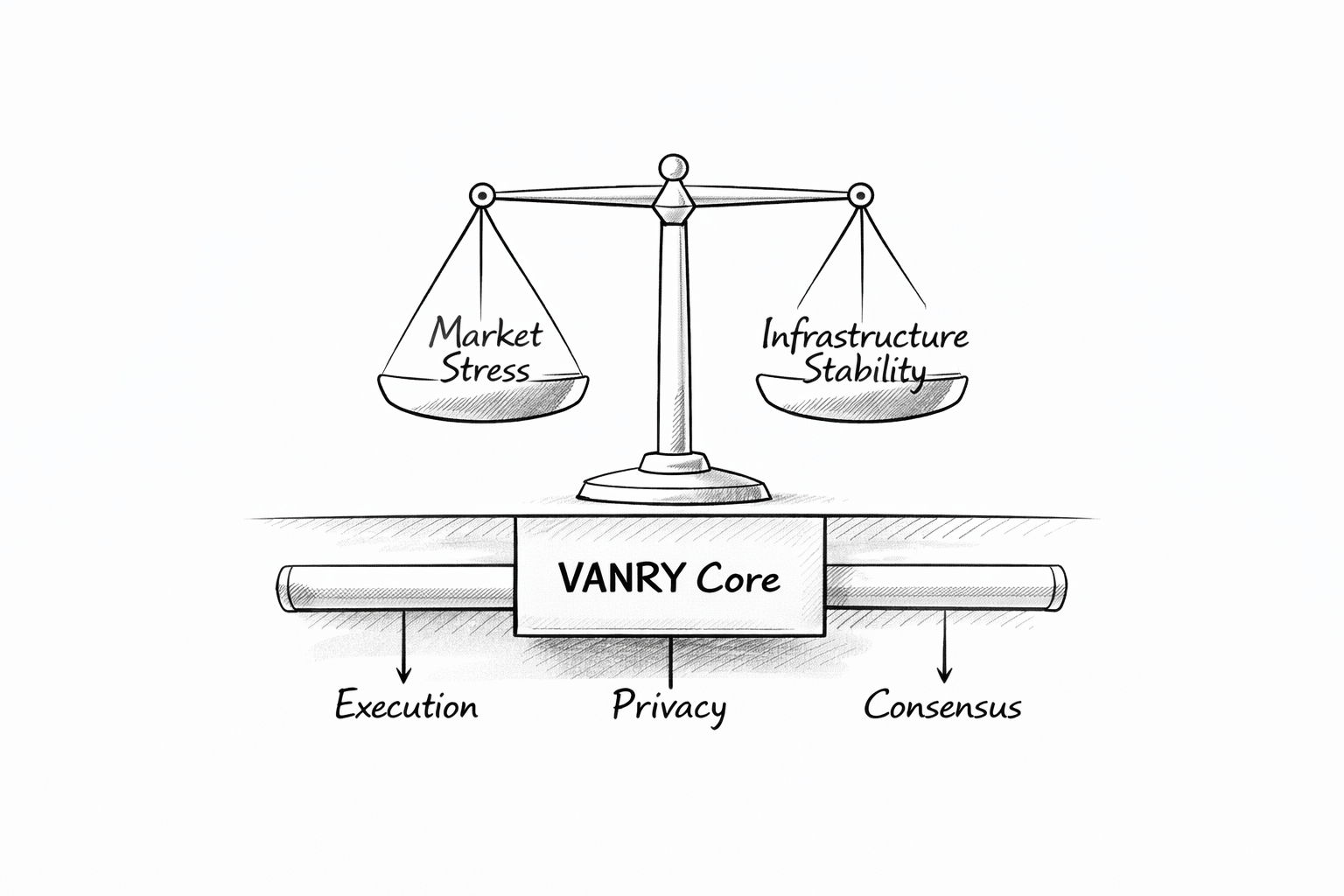
Because in the world of crypto, what seems quiet today can often determine what is critical tomorrow.