
Recent investigative reporting suggests that U.S. intelligence officials privately briefed a small group of senior technology executives about the possibility that China could consider military action against Taiwan later this decade — potentially around 2027 — if geopolitical conditions align in Beijing’s favor.
According to those reports, the discussion focused on China’s rapidly advancing military capabilities and the strategic importance of Taiwan’s semiconductor industry. Taiwan plays a central role in the global chip supply chain, making any instability there a matter of economic as well as military concern.
One executive reportedly described taking the warning very seriously, underscoring how sensitive the issue is within corporate and policy circles.
Why Taiwan Matters So Much
Taiwan is not only a political flashpoint between Beijing and Washington — it is also a cornerstone of the global technology ecosystem. Advanced semiconductor production is heavily concentrated there, and any disruption could ripple across industries from smartphones and data centers to defense systems and automotive manufacturing.
That’s why discussions around Taiwan are never just regional. They carry global implications.
The Broader Geopolitical Question
Online speculation has intensified around a broader scenario: if the United States were to become deeply engaged in another major geopolitical conflict — for example in the Middle East — could that shift strategic calculations in Asia?
It’s important to separate speculation from confirmed policy. The reported briefing was described as confidential and precautionary in nature, not a public declaration or formal prediction of an inevitable invasion. Intelligence assessments often outline potential risk windows rather than certainties.
Still, the fact that such timelines are being discussed at high levels signals that policymakers are treating the Taiwan question as a serious long-term strategic concern.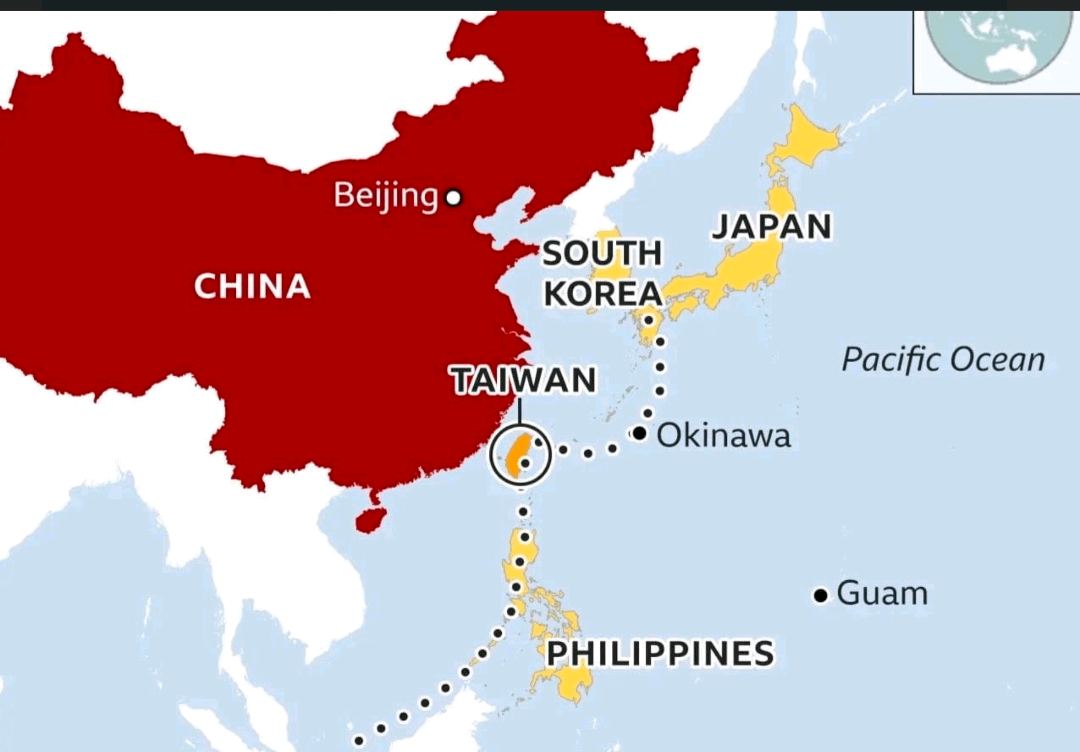
A Decade-Defining Flashpoint?
Whether or not any military action materializes, Taiwan remains one of the most sensitive geopolitical pressure points in the world. The intersection of great-power competition, advanced technology supply chains, and shifting global alliances makes it a focal issue for the remainder of the decade.
For now, the conversation reflects elevated vigilance rather than confirmed outcomes. But the strategic implications — economically and militarily — are significant enough that governments, corporations, and markets are all paying close attention.
This is not just headline noise. It’s a reminder of how tightly geopolitics and global technology infrastructure have become intertwined.