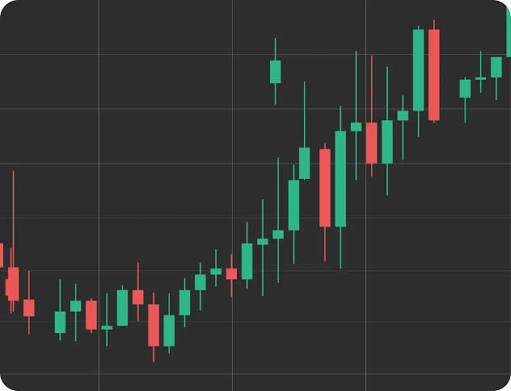
What Is Trading?
Trading is the activity of buying and selling financial assets in order to make a profit. Traders try to take advantage of price movements in markets such as stocks, cryptocurrencies, commodities, and foreign currencies.
Unlike long-term investing, trading usually focuses on shorter time periods. Some traders hold assets for minutes or hours, while others hold them for days or weeks.
Types of Trading
There are several common types of trading strategies:
1. Day Trading
Day trading involves buying and selling assets within the same day. Traders close all positions before the market closes to avoid overnight risks.
2. Swing Trading
Swing traders hold positions for several days or weeks. They aim to profit from short-term trends or “swings” in the market.
3. Scalping
Scalping is a very fast trading strategy where traders make many small trades in a short period of time to capture small price movements.
4. Position Trading
Position traders hold assets for a longer time—weeks, months, or even years—based on major market trends.
Markets You Can Trade
Traders can participate in many financial markets, including:
Stock Market – Buying and selling shares of companies.
Forex Market – Trading currencies from different countries.
Cryptocurrency Market – Trading digital currencies like Bitcoin.
Commodity Market – Trading assets such as gold, oil, or wheat.
Important Trading Concepts
Risk Management
Successful traders always manage risk. This includes using stop-loss orders, limiting how much money is used per trade, and avoiding emotional decisions.
Technical Analysis
Technical analysis involves studying price charts and indicators to predict future price movements.
Fundamental Analysis
Fundamental analysis focuses on economic data, company performance, news, and global events that can influence prices.
Advantages of Trading
Potential for quick profits
Access to global financial markets
Flexibility to trade online from anywhere
Risks of Trading
Trading also involves significant risks:
Prices can change quickly
Emotional decision-making can lead to losses
Lack of knowledge can result in financial loss
Tips for Beginner Traders
Start with education before investing money.
Practice with a demo trading account.
Never invest money you cannot afford to lose.
Develop a clear trading strategy.
Keep learning and improving your skills.
Conclusion
Trading can be an exciting way to participate in financial markets and potentially earn profits. However, it requires knowledge, discipline, and proper risk management. Beginners should start slowly, learn the basics, and practice strategies before risking real money.
If you want, I can also: