

Here's the story of the largest ever IPO and the world's first Trillionaire, Elon Musk.
Elon Musk sold his first company, Zip2, for $300 million in 1999. He then co-founded PayPal, which eBay acquired in 2002 for $1.5 billion. Musk walked away with roughly $180 million.
Most people would have stopped there. Instead, he became obsessed with getting humans to Mars. When he looked into buying rockets from Russia and found the costs too high, he decided to build his own.
In March 2002, he founded SpaceX in California and put roughly $100 million of his own money into it.
SpaceX operated out of a warehouse in El Segundo where employees worked 80 to 100 hour weeks. The company hired young engineers willing to take risks and built almost everything in house, a decision that would later become its biggest competitive advantage.
One of its most important early hires was Gwynne Shotwell, who joined in 2002 as employee number 7 and became the operational backbone of the company.
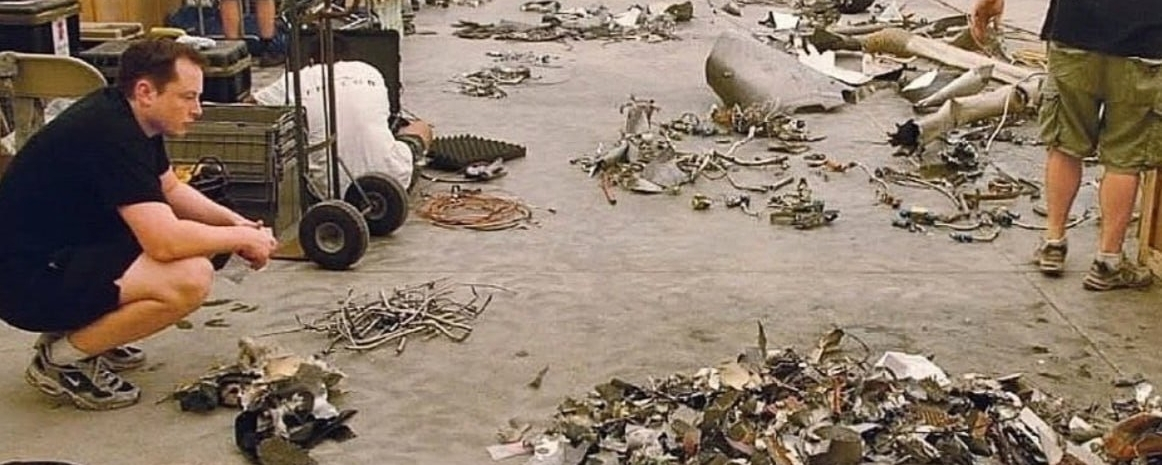
The first three launches of Falcon 1 all failed. The first in March 2006 ended in an engine fire. The second in March 2007 spun out of control before reaching orbit.
The third in August 2008 saw the first and second stages collide after separation.
 2008 was the worst year. SpaceX and Tesla were both near bankruptcy during the global financial crisis. Musk split his remaining personal fortune between both companies, betting everything on their survival. Employees feared neither would survive.
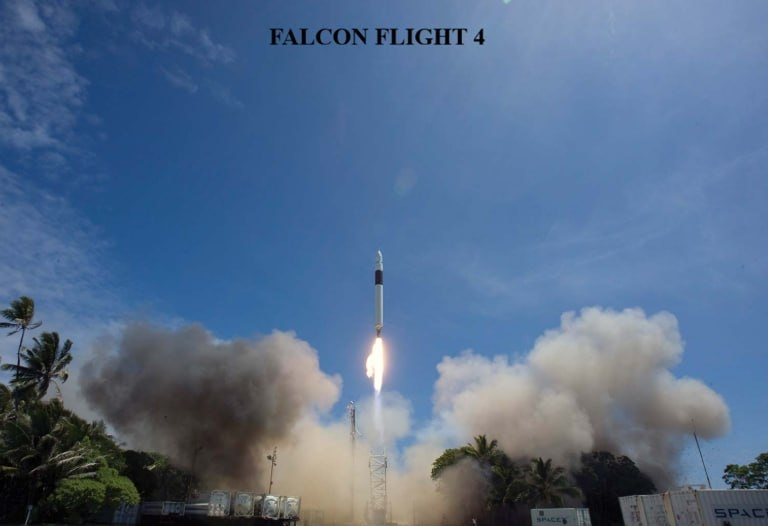
On September 28, 2008, Falcon 1 Flight 4 lifted off from Omelek Island in the Pacific. It reached orbit. SpaceX became the first privately funded company in history to put a liquid-fueled rocket into orbit.
Three months later, NASA awarded SpaceX a Commercial Resupply Services contract worth over $1 billion. The company was saved.
With funding secured, SpaceX built Falcon 9, which launched successfully in 2010 and went on to become the most frequently launched rocket in the world.
SpaceX has now completed more than 300 missions and reduced the cost of sending payload to orbit from $54,500 per kilogram on the Space Shuttle to roughly $2,700 per kilogram on Falcon 9.
In December 2015, SpaceX landed a Falcon 9 booster for the first time in history after years of failed attempts. Reusable rockets went from an industry joke to standard practice.
In May 2020, SpaceX sent astronauts to orbit aboard Crew Dragon, making it the first private company in history to put humans in space on its own spacecraft.
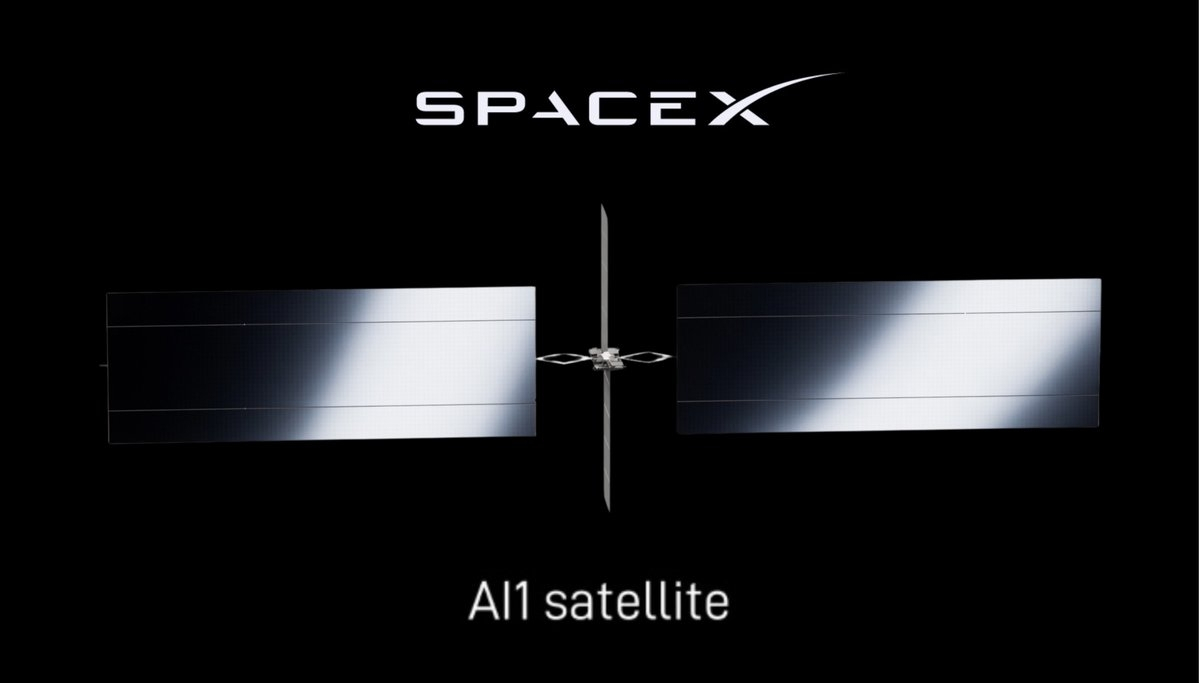 SpaceX then launched Starlink, a satellite internet network that now serves more than 6 million subscribers worldwide and has become one of the company's largest revenue streams. Revenue across the company reached $18.7 billion in 2025.
Then Musk made his next move.
In February 2026, SpaceX acquired his AI company xAI and filed plans with the FCC to launch one million solar-powered satellites into orbit.
The goal is to build the world's first space-based AI data center network. Each satellite would generate power directly from the sun, eliminating the need for ground-based energy infrastructure entirely.
Musk's argument is direct: "The only logical solution is to transport these resource intensive efforts to a location with vast power and space."
He expects that within 2 to 3 years, the lowest cost way to generate AI compute will be in space.
Starship is the prerequisite to making this work at scale. Without a fully reusable heavy lift rocket capable of carrying large payloads cheaply, space based data centers are not economically viable.
Musk stated that IPO proceeds from the SPCX listing will help fund this buildout.
Jeff Bezos's Blue Origin and Google's Project Suncatcher are both working on similar plans , but SpaceX is the only company with a rocket capable of launching at the scale required.
The ultimate goal remains Starship, a fully reusable rocket designed to carry more than 100 tons to orbit and eventually take humans to Mars.
 Yesterday, SpaceX listed on Nasdaq under the ticker SPCX at a $1.77 trillion valuation. At that price, Musk's personal stake in SpaceX alone is worth over $866 billion, making him the first person in history to cross $1 trillion in net worth
Elon Musk currently controls SpaceX, Tesla, xAI, X Corp, Neuralink, and The Boring Company.
It started with one warehouse, $100 million, and a rocket that failed three times in a row