
Following my previous post on Vitalik Buterin's reflections (the founder of Ethereum) on prediction markets, I saw a lot of interest, but also quite a bit of confusion. The topic remains unclear for many: "Is it just crypto gambling? Or can it really serve a purpose?" Today, I offer you a comprehensive, clear, and documented article to demystify all of this. We will explore the history, the current state, the problems... and above all, Vitalik's bold vision to make it a powerful risk management tool in the DeFi of the future.
1. What is a Prediction Market?
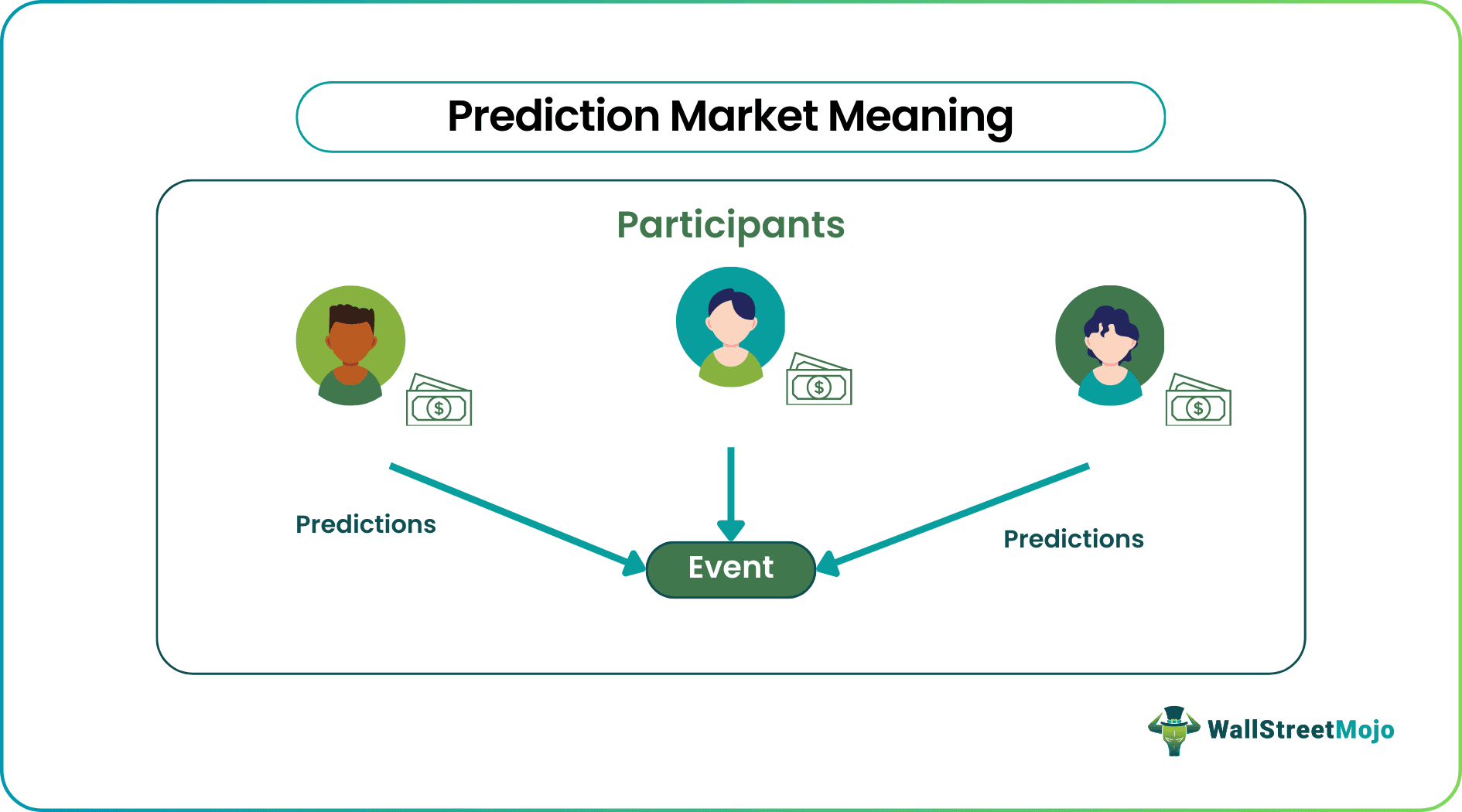
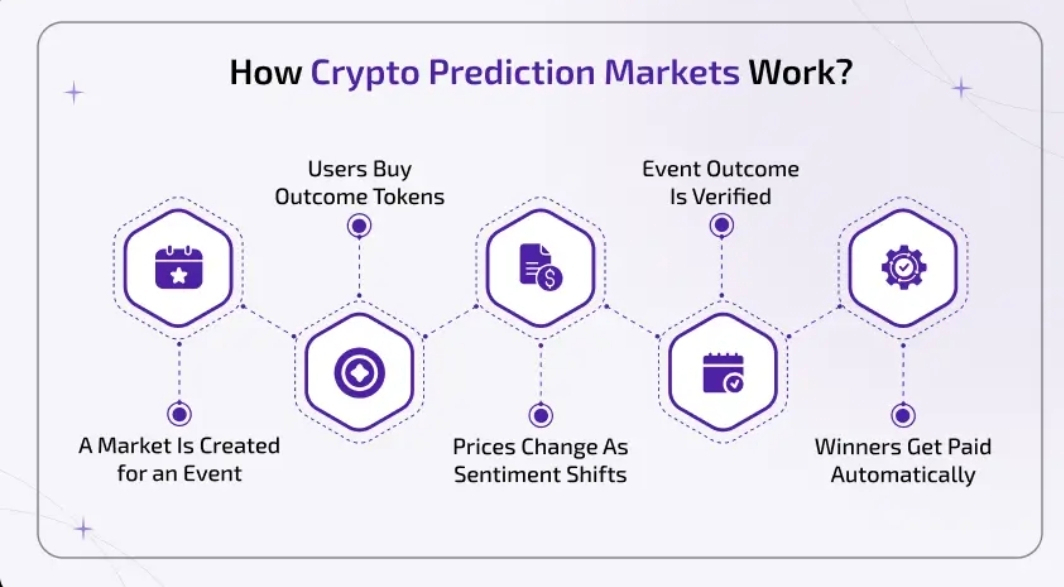
A prediction market is a system where people bet on the outcomes of future events. The prices of "contracts" (yes/no, or more nuanced) reflect the collective probability of an outcome.
How does it work?
You buy a "Yes" contract at $0.60 if you think the event will happen with a 60% chance.
If it’s true, you win $1 per contract; otherwise, nothing.
Markets aggregate information from thousands of participants, often more accurate than traditional polls.
Simple examples:
"Will Trump win the 2024 elections?" (yes, Polymarket predicted it accurately).
"Will the Fed lower rates in March 2026?"
It's like the stock market, but for the future.
2. The History: From Ancient Origins to Crypto Explosion
Prediction markets are not a new concept:
Antiquity: Paris on papal elections since 1503, or the Greek oracles.
19th century: On Wall Street, bets were placed on US presidential elections (more accurate than the media!).
1988: Iowa Electronic Markets (academic): predicts elections better than polls.
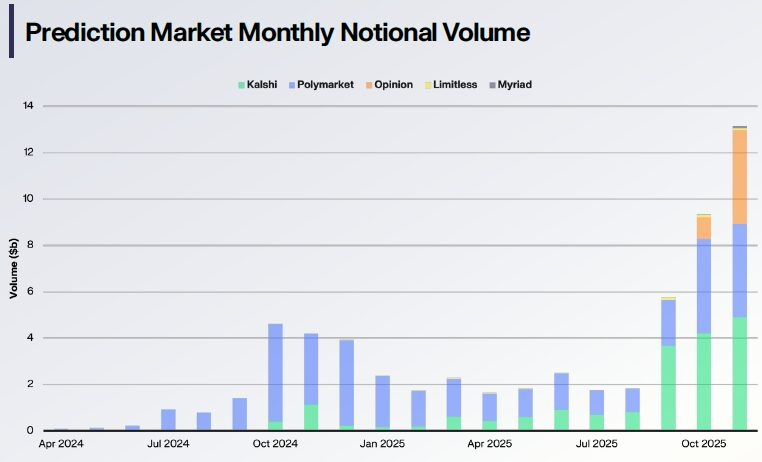
Crypto: Augur (2015), then Polymarket, Kalshi... Boom in 2024-2025 with the US elections.
Today, it's a $63.5 billion market volume in 2025 (x4 vs 2024), dominated by Polymarket ($22 billion) and Kalshi ($17 billion).
3. The Current State: Success... But a Major Problem
The good sides:
Volume records: Polymarket processed $22 billion in 11 months 2025.
Accuracy: Better than the media for elections, the economy, etc.
Supplement to journalism: Real-time information.
But Vitalik is worried (and he is right):
In his post from February 14, 2026, he says: "Prediction markets are converging towards an unhealthy 'product-market fit': short bets on crypto prices, sports, and other dopamine without long-term value."
It attracts "dumb money" (naive bettors), pushes platforms to seek low-quality traffic, and leads to "commercial corruption" (corposlop).
Result: no sustainable societal value.
4. Vitalik's Solution: Prediction Markets as Hedging Tools
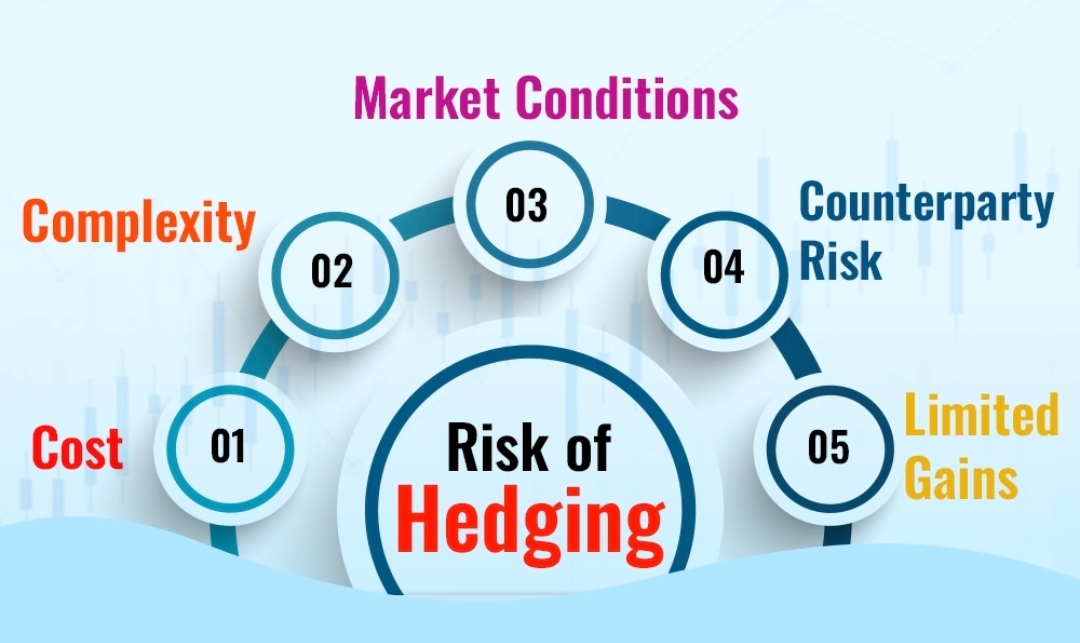
Instead of gambling, let's transform them into insurance against uncertainty!
Concrete example:
You invest in a biotech. If an "anti-tech" party wins, your stock drops.
Bet "Yes" on this victory: you lose a bit on average but reduce overall risk (like insurance).
Futuristic vision: Goodbye fiat?
Create markets on consumer price indices (food, housing, energy... by region).
Each user has a local AI (LLM) that analyzes their future expenses.
The AI generates a "customized basket" of contracts: "N days of my projected expenses."
Hold growth assets (ETH, stocks) + this basket for stability.
No need for USD-backed stablecoins! This is DeFi 2.0: sustainable, attractive for "quality" capital, and customized.
Why is it better?
The "hedgers" (insured) lose on average but gain peace of mind.
Attracts institutional capital (not just gamblers).
Solves the "public goods problem" of info-buyers.
5. Real Examples and Perspectives
Today: Gas futures on Ethereum (hedging fees).
Tomorrow: Markets on personal inflation, via AI (ongoing experiments).
Evidence: PMs are already beating risk experts (weather, project costs).
Remaining challenges: Regulation (CFTC in the US), reliable oracles, AI adoption.
6. Why It Changes Everything?
Vitalik concludes: "Let's build the next generation of finance, not corposlop."
Prediction markets are not doomed to short-term. With hedging + AI + DeFi, they become a pillar of decentralized economic stability.
What do you think? Ready for "customized" prediction markets? Share your thoughts in the comments!