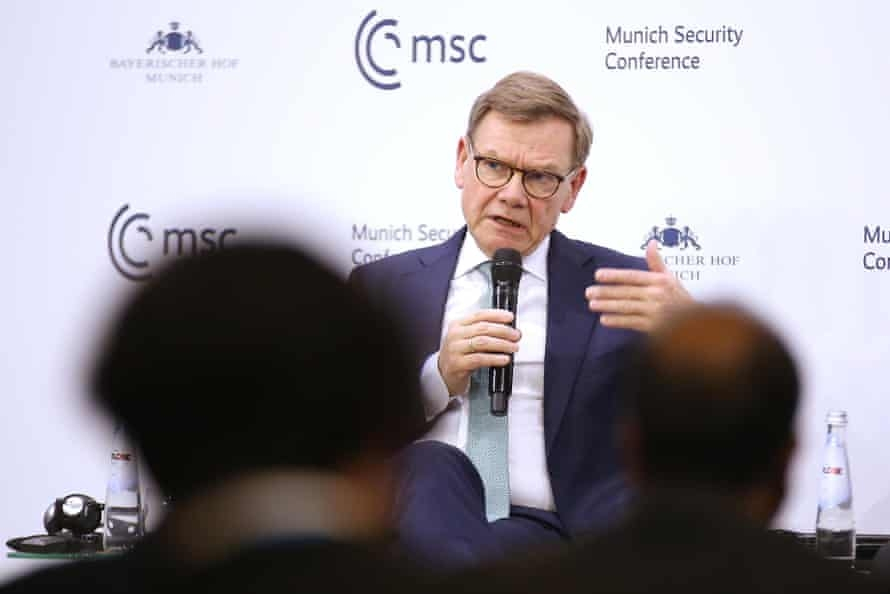
The geopolitical tectonic plates under Europe are shifting, and the tremors are being felt most acutely in the historic engine room of the European Union: the Franco-German alliance. At the recent Munich Security Conference, a clear message emerged from Berlin, delivered with a level of assertiveness we haven’t seen in decades. Germany isn’t just asking for cooperation anymore; it’s demanding a receipt for European sovereignty. 📝⚖️
Putting Money Where the "Sovereignty" Is 💶🏗️
For years, French President Emmanuel Macron has been the leading voice calling for "European strategic autonomy." It’s a vision of a Europe that can stand on its own two feet, less dependent on the shifting political winds of Washington. However, Germany’s Foreign Minister, Johann Wadephul, recently threw down the gauntlet. His message? If you’re going to talk the talk of sovereignty, you have to fund the walk. 🚶♂️💰
While Germany has made the painful political choice to exempt defense spending from its constitutional "debt brake"—earmarking a staggering €500bn for defense between 2025 and 2029—France finds itself in a fiscal vice. Currently sitting as the third-most indebted nation in the EU (trailing only Greece and Italy), Paris is struggling to match Berlin’s financial commitment. 📉🇫🇷
The friction is palpable. We aren't just talking about abstract numbers; we are talking about a 5% GDP defense spending target by 2035, a goal set during last June’s NATO summit. Wadephul’s critique was pointed: France's efforts have been "insufficient." In the world of high-stakes diplomacy, that’s about as close as you get to a public call-out. 📣💥
The Nuclear Umbrella: Protection or Provocation? ☢️☂️
Perhaps the most startling development is the discussion surrounding a "European Nuclear Umbrella." Chancellor Friedrich Merz has confirmed initial talks with Macron about Germany potentially joining France's nuclear deterrence program. 🇩🇪🤝🇫🇷
This represents a massive shift in German strategic thinking. For decades, the US nuclear shield was the undisputed bedrock of European security. But as doubts linger over the long-term consistency of transatlantic commitments, the "unthinkable" has become a boardroom discussion.
However, this move isn’t without its internal critics. Within the German coalition, voices like Lars Klingbeil and Armin Laschet are waving yellow flags. The concerns are two-fold:
The Transatlantic Rift: Would pursuing a European nuclear option signal to Washington that we’re giving up on them? 🇺🇸🛰️
The Sovereignty Trap: As Laschet pointed out, it is highly unlikely Macron would ever give a German Chancellor a "finger on the trigger." If France maintains sole control, is it truly a "European" shield, or just German funding for French power? 🤨🗝️
A Continent Under Pressure 🇷🇺⚡
The backdrop to these debates is, of course, the persistent threat from the East. The "moral case" for rearmament is no longer a fringe theory; it is being championed by military leaders across the continent. In an unprecedented move, the highest-ranking military officers from the UK and Germany issued a joint appeal for the public to prepare for the reality of potential conflict with Russia. 🇬🇧🇩🇪
This isn't just about buying more tanks or jets (though the discord over the next-generation European fighter jet project remains a thorn in the side of cooperation). It’s about a fundamental psychological shift. Europe is moving from a "peace-time" mindset to a "security-first" posture. 🎖️🌲
The Challenges Ahead: Friction in the Engine Room ⚙️⚠️
Despite the shared recognition of the threat, the Franco-German "motor" is sputtering. Beyond defense spending, the two nations are locked in disagreements over:
Pooled Debt: Macron wants it to boost investment; Merz has firmly rejected it. 🙅♂️💸
Trade: Deep discord remains over the EU trade deal with South American nations. 🚢🌎
Industrial Policy: Competitions over defense contracts and technology continue to slow down unified projects.
Chancellor Merz summarized the situation perfectly at Munich: "In the era of great power rivalry, even the United States will not be powerful enough to go it alone." 🤝🌍
The goal is a "European complement within NATO"—not necessarily a replacement for the US, but a robust, self-sufficient pillar that ensures Europe isn't just a spectator in its own security. The coming months will determine if France can find the fiscal room to match its rhetoric, or if the leadership of European defense will continue to tilt decisively toward Berlin and its newly opened coffers. 🏛️📈
The era of "security for free" is over. The era of "sovereignty through investment" has begun. 🚀🇪🇺
#Geopolitics #MacroEconomics #EuropeanUnion #DefenseSpending #MarketAnalysis