

The more I study autonomous AI systems, the more I think the market is still focusing on the wrong layer.
Everyone keeps debating:
Which model is smartest?
Which AI agent is fastest?
Which chain is best for AI?
But the deeper issue feels much more uncomfortable.
What happens when autonomous systems start handling real economic activity inside infrastructure nobody can properly verify?
Because honestly, that future is arriving faster than most people expected.
AI Agents Are Quietly Becoming Financial Actors
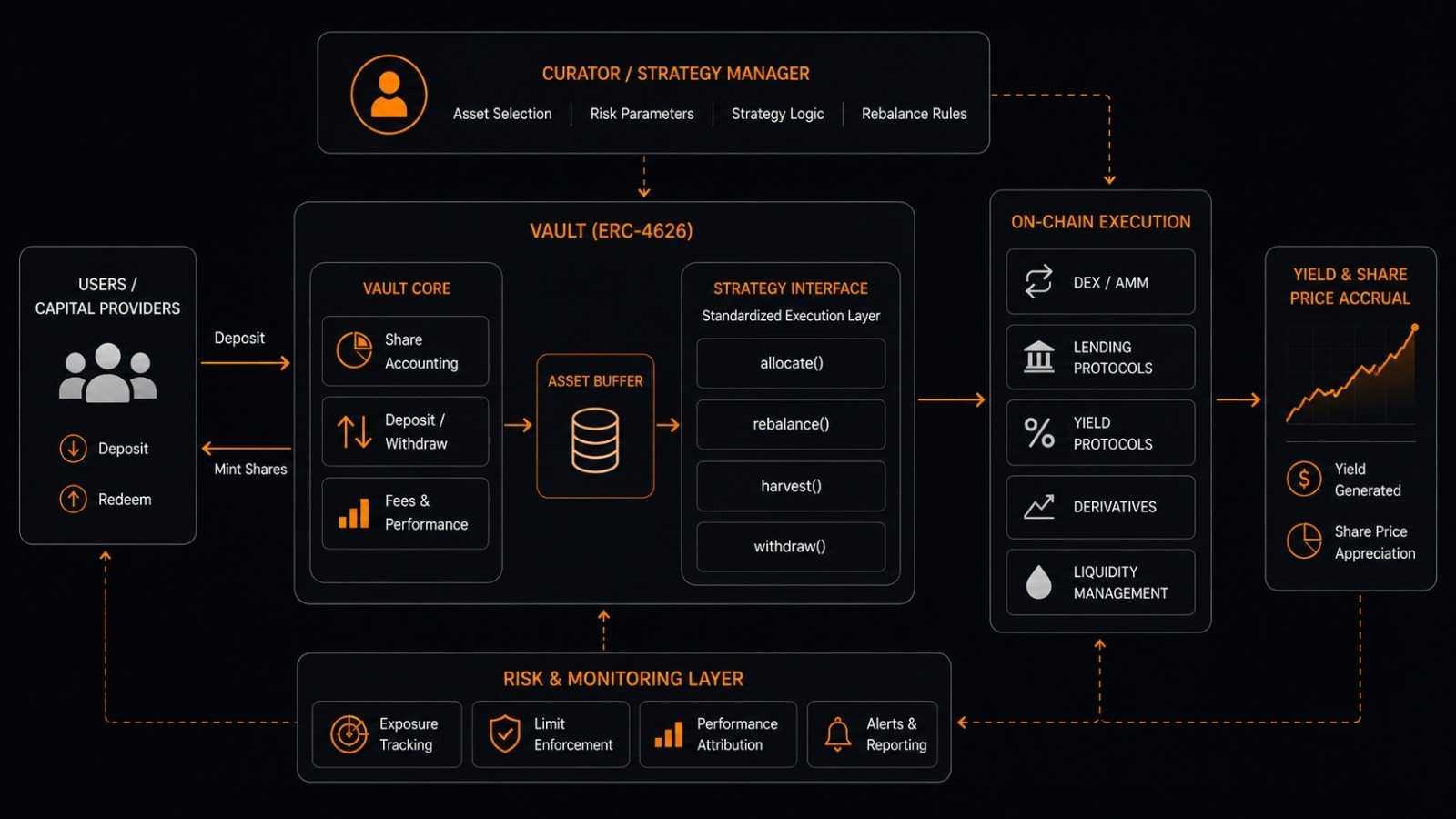
Over the past few months, the crypto industry has aggressively shifted toward AI-agent infrasinfrastructur
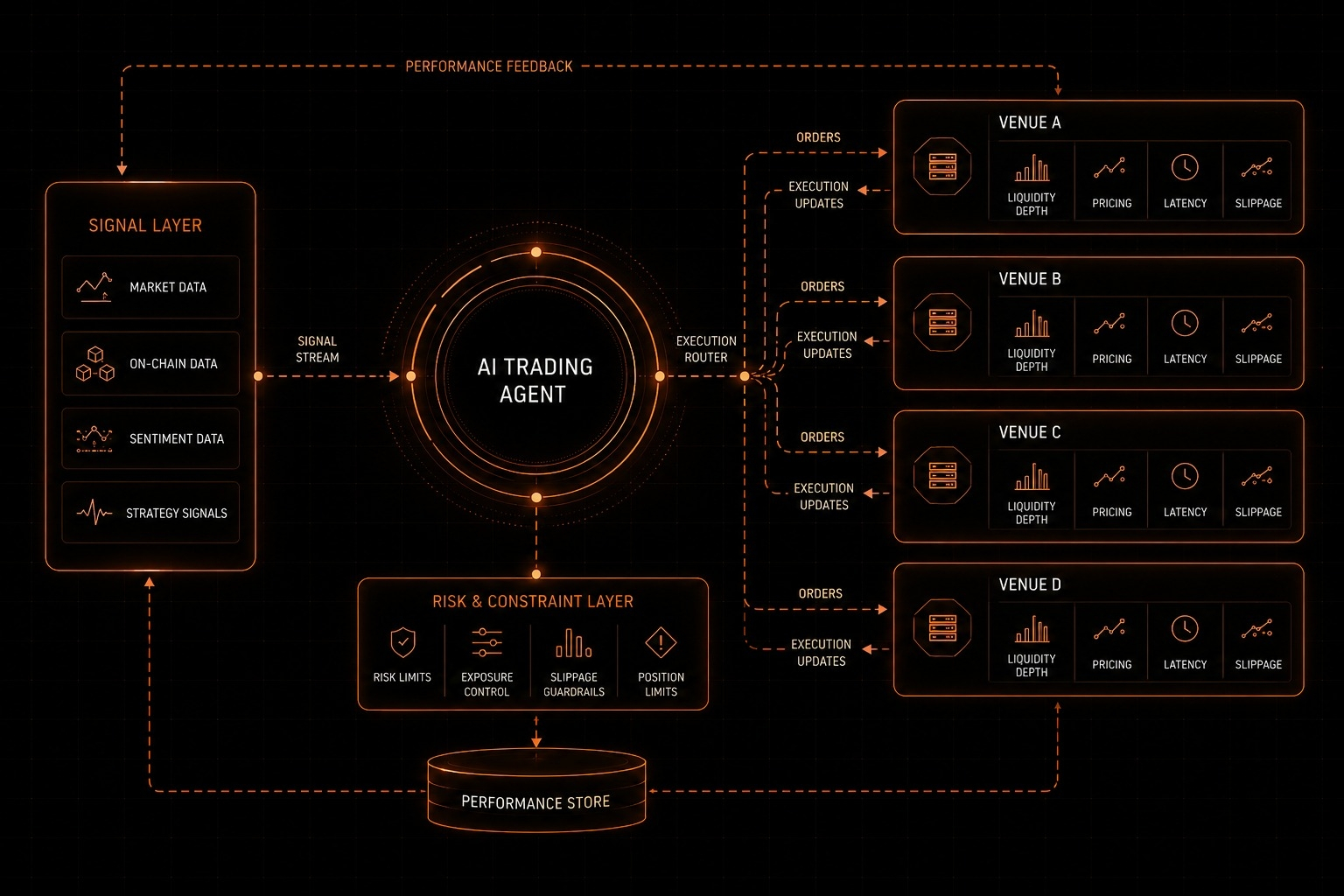
Autonomous trading systems
Onchain execution frameworks
Agent payment rails
Cross-chain coordination
Decentralized inference systems
Even large infrastructure players are openly discussing “agentic finance” now.
That matters.
Because once AI systems begin:
Moving capital
Executing transactions
Coordinating liquidity
Operating continuously across chains
the problem stops being intelligence alone.
The real problem becomes:
How do you verify what autonomous systems are actually doing?
And honestly, current infrastructure still feels dangerously immature for that future.
The LayerZero Situation Quietly Changed My Perspective
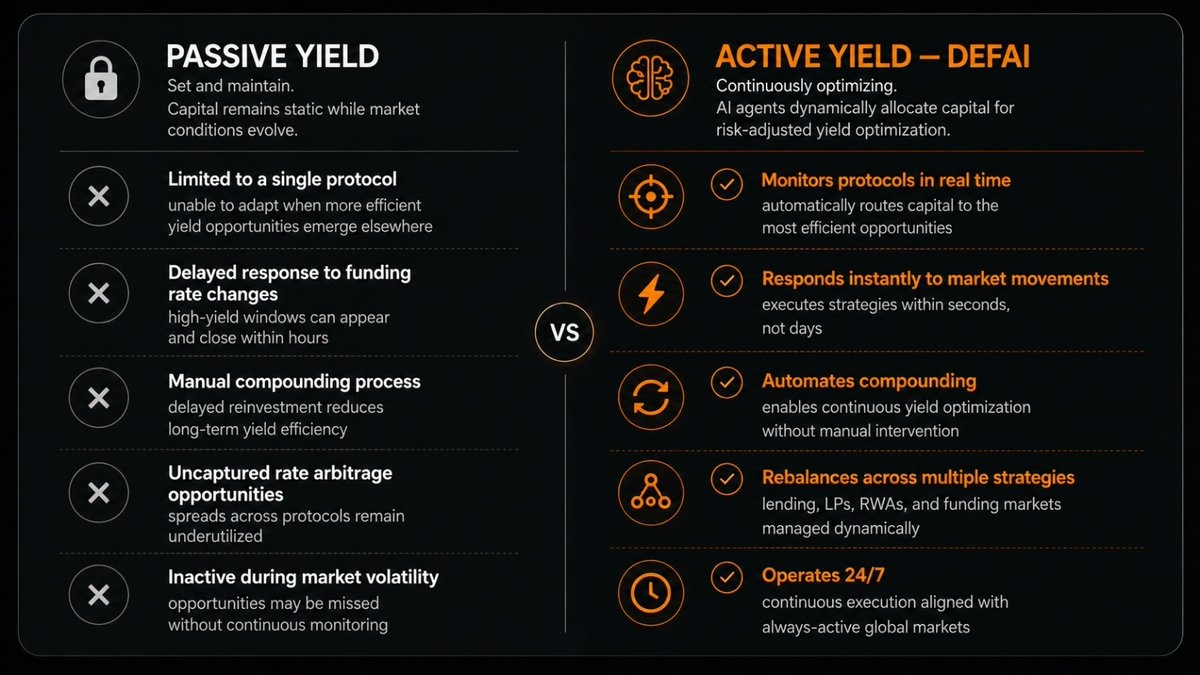
The recent LayerZero ecosystem fallout after the $292M Kelp exploit was probably one of the clearest reminders that infrastructure risk becomes catastrophic once systems scale economically.
What stood out to me wasn’t only the exploit itself.
It was the realization that:
Attribution layers
Execution validation
Verifier trust assumptions
Cross-chain coordination
can become single points of systemic failure.
And that changes how I evaluate AI infrastructure projects now.
Because autonomous AI systems operating across decentralized environments will eventually depend on:
Observability
Attribution
Execution transparency
Verifiable coordination layers
without those systems, trust breaks extremely fast.
This Is Why OpenLedger Feels More Important Lately
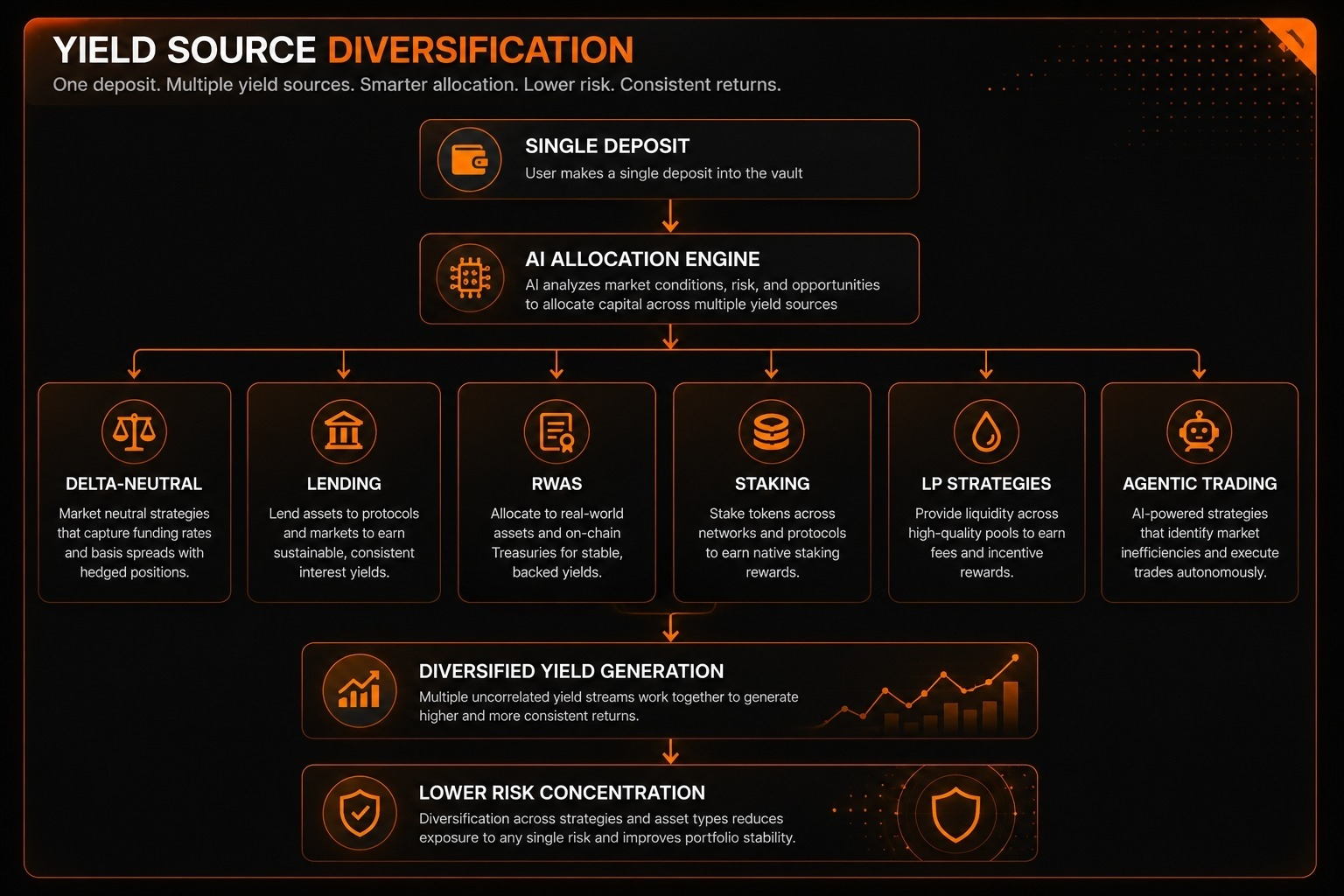
OpenLedger keeps focusing on infrastructure underneath autonomous AI systems instead of simply marketing “AI agents.”
That distinction matters more than most people currently realize.
The project’s direction around:
Proof of Attribution
Decentralized inference
Transparent execution
Contributor-linked economics
Datanets
feels increasingly aligned with the actual infrastructure problems the market is slowly discovering.
Because eventually autonomous systems will need to answer:
Which model executed the action?
Which datasets influenced the output?
Who contributed to the intelligence?
How should economic rewards flow?
Current AI ecosystems still struggle badly with those questions.
OpenLedger is at least attempting to build architecture where attribution itself becomes native infrastructure instead of an afterthought.
And honestly, I think attribution may become one of the most valuable layers in decentralized AI later.
Not because it sounds excexciting
Because economic systems eventually require accountability.
I Think The Market Is Still Very Early Psychologically
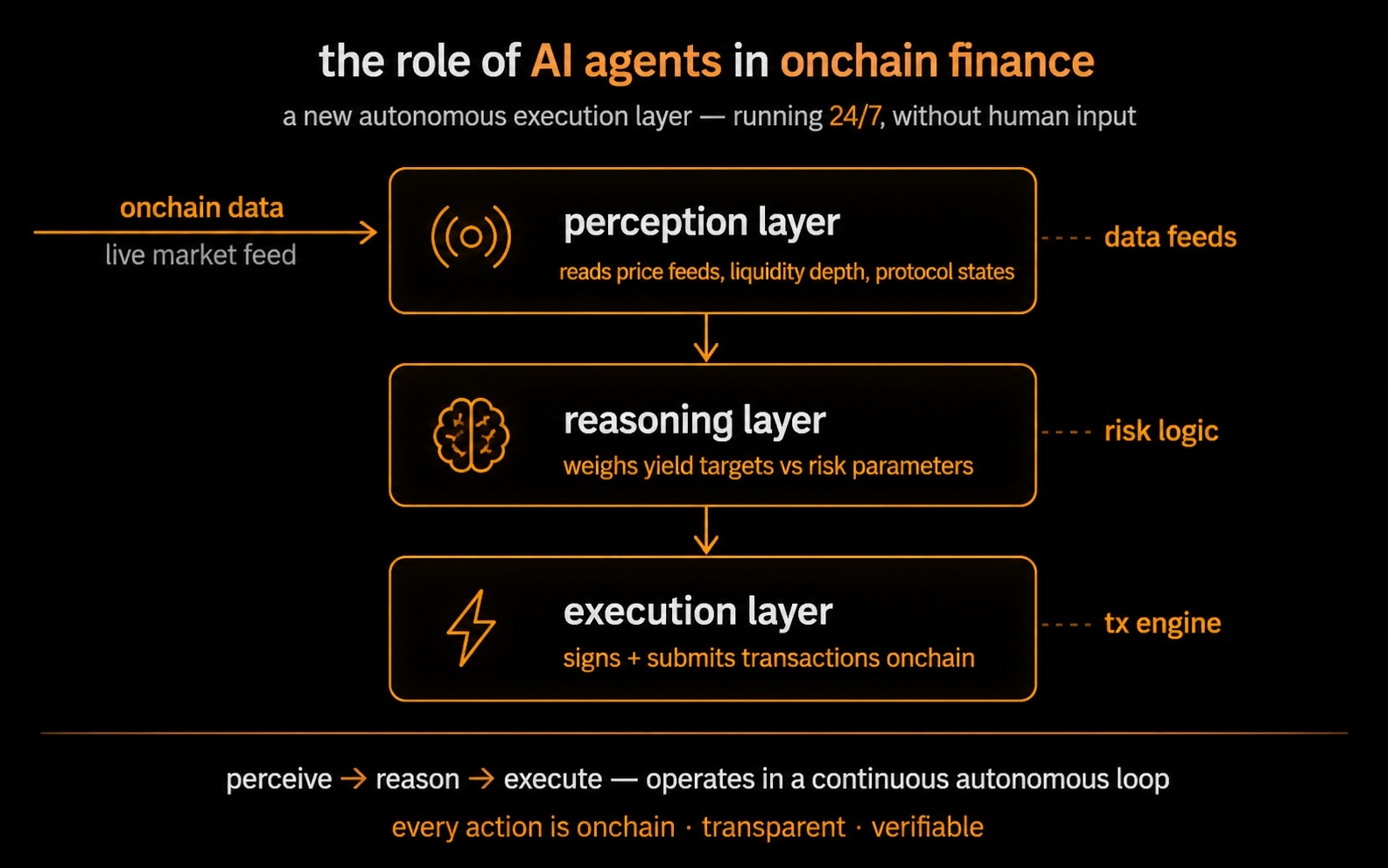
Most people still think AI means:
chatbots,
content generation,
consumer apps.
But infrastructure conversations are evolving much faster underneath:
AI execution rails
Verifiable inference
Autonomous payment systems
Observability frameworks
Attribution economies
That’s probably why projects building infrastructure layers underneath AI feel more important to me than projects simply competing on model outputs.
Intelligence eventually commoditizes.
Infrastructure usually compounds.
And the projects solving accountability problems early may become far more important once autonomous systems begin operating at scale.
Conclusion
I honestly think the AI market is gradually shifting from:
“Which AI is smartest?”
toward:
“Which infrastructure can safely coordinate autonomous economic systems?”
That is a much bigger problem.
And much harder.
OpenLedger’s focus on:
Proof of Attribution
Decentralized inference
Transparent execution
Contributor economics
feels increasingly connected to where the broader industry is actually heading.
Still early obviously.
But the infrastructure layer underneath autonomous AI systems may eventually matter far more than most people currently realize.