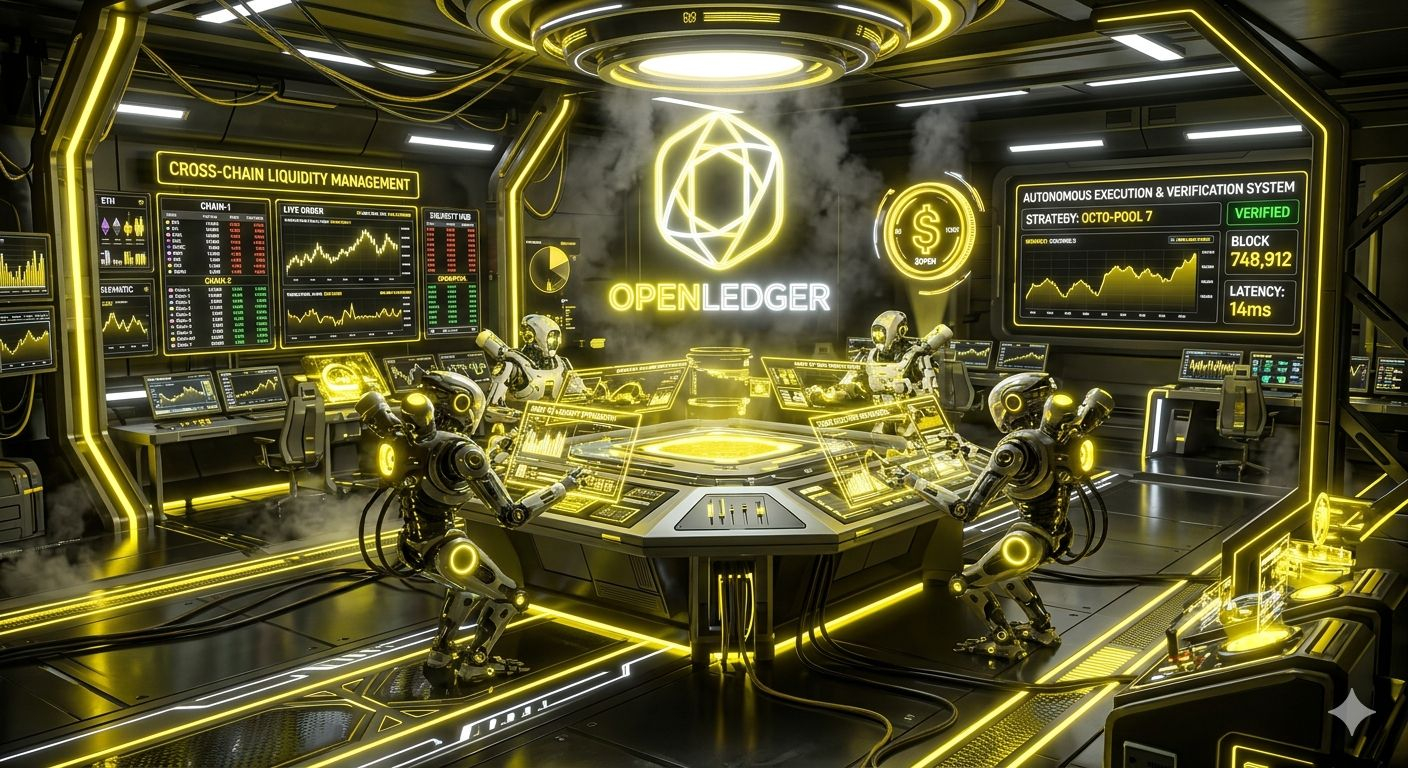
Sometimes I feel like the AI industry is no longer just a race for 'smart answers.' It used to be that the fastest model with the best reasoning would win the market. However, the deeper I dive into the @OpenLedger structure, the more I sense that the real battle isn't about intelligence... it's about coordination and accountability.
Today, AI is no longer just chatbots. Models are connecting with datasets, autonomous agents are executing workflows, liquidity is moving between chains, and systems are starting to depend continuously on each other's outputs. That's where the problem begins.
When so many layers interact simultaneously, just having 'smart output' isn't enough.
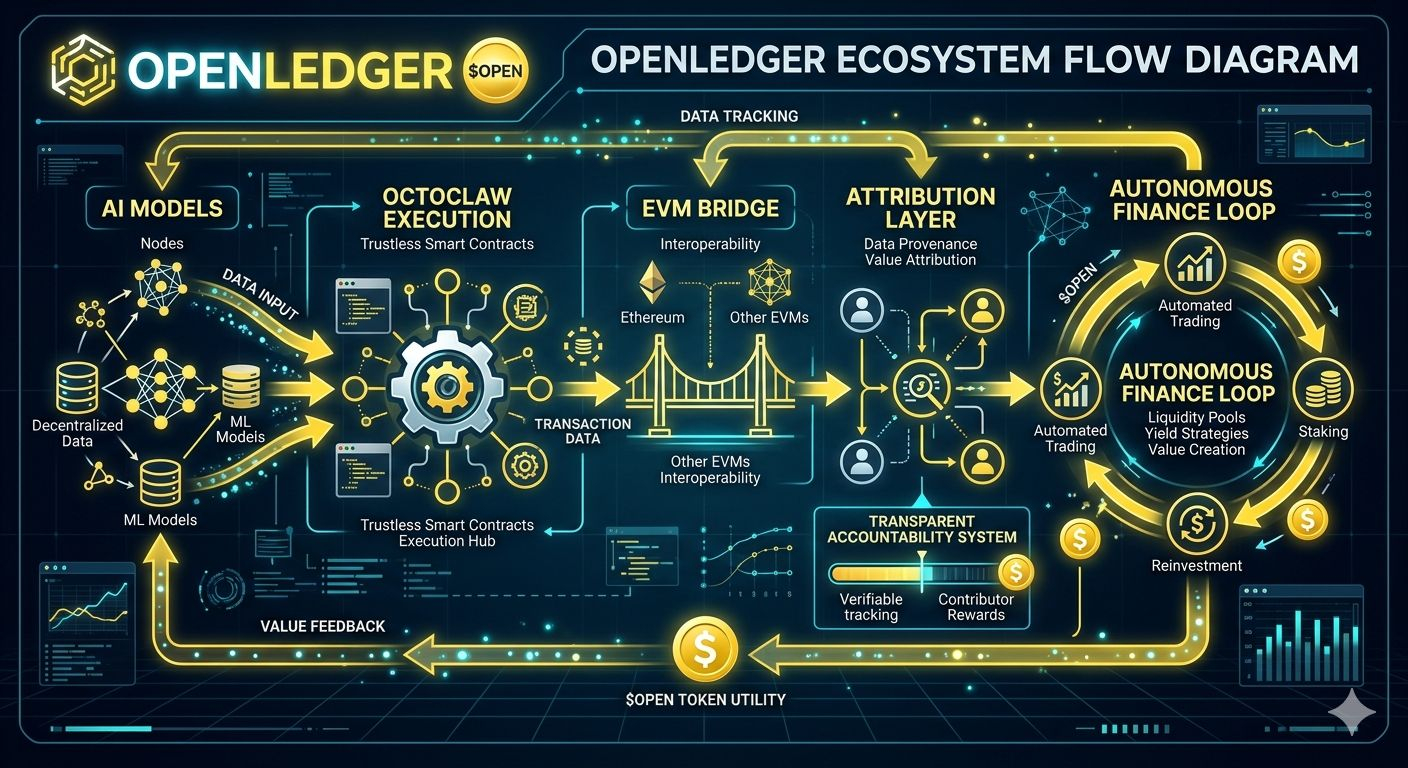
Think of it like a fast-food franchise. Each branch is in a different place, operated by different people, but the customer should receive the same trust and consistency. If one location breaks quality, it impacts the entire network. I feel like OpenLedger's ecosystem is trying to do just that… keeping distributed intelligence stable.
The interesting thing here isn't just the AI models. The real focus seems to be:
attribution,
execution history,
verification,
cross-system coordination,
and accountability continuity.
And honestly, this part of the market is being underestimated right now.
Today, most AI systems behave like black boxes. Output comes, job done. But when those outputs start influencing rankings, finance, governance, or autonomous execution… then provenance matters. 'What data was this decision based on?' 'Which agent was involved?' 'In what context was execution done?' These questions can't be ignored.
That's why $OPEN makes me feel different from the normal AI narrative token. OpenLedger isn't just scaling intelligence; it's trying to embed trust at the infrastructure level.
And then things like OctoClaw make the picture even bigger.
If in the future AI agents:
monitor the market,
let's make a cross-chain liquidity move,
handle DeFi execution,
and start making autonomous decisions…
so the ecosystem will need not just intelligence, but also reliable coordination.
That's why OpenLedger's bridge, attribution layer, and orchestration model feel important. Many projects just show AI. Here, there's an attempt to connect AI + execution + mobility + accountability within one ecosystem.
Yes, risk does exist.
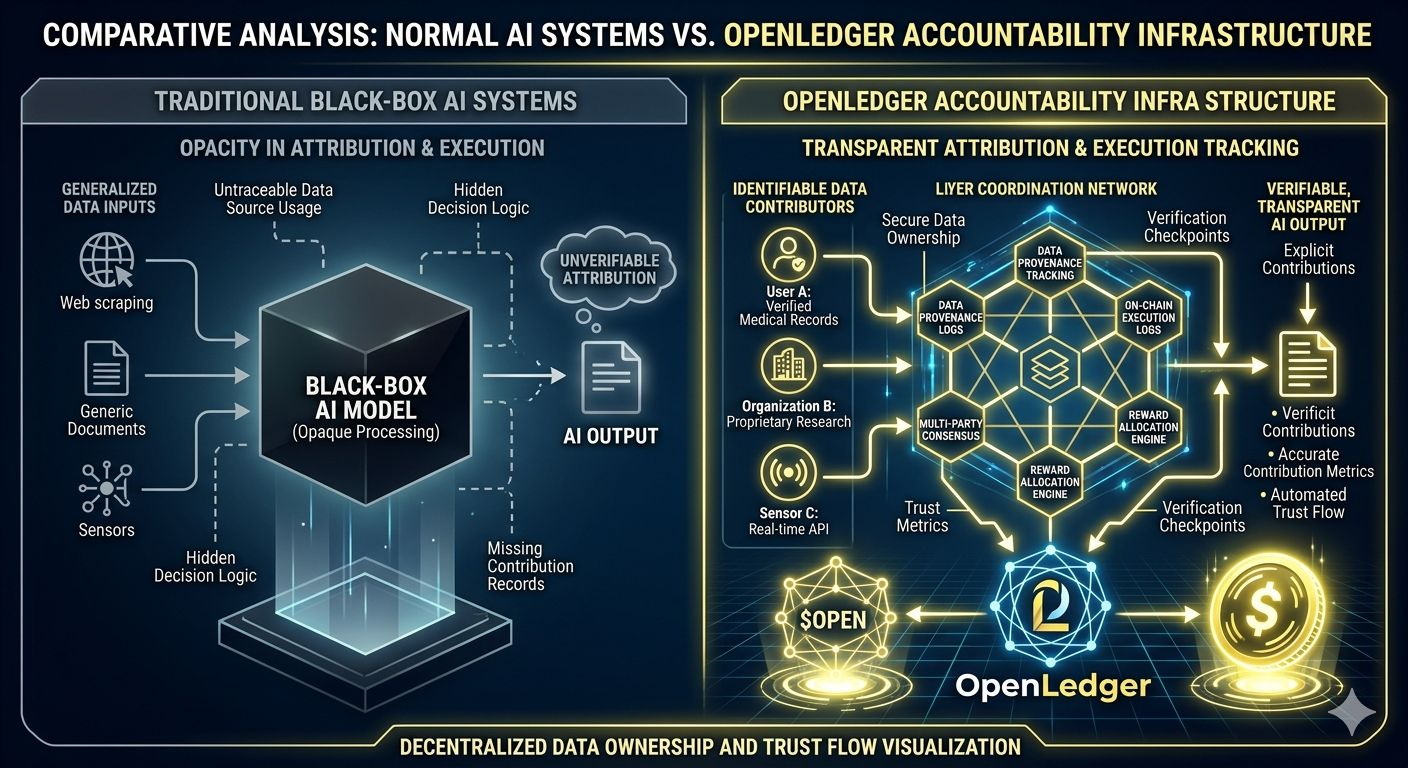
The more automation grows, the more the system becomes invisible. And the biggest issue with invisible systems is trust. If attribution weakens or execution loses clarity, confidence in autonomous systems can break quickly.
But maybe that's why OpenLedger is making accountability a core layer instead of an optional feature. I think that's the long-term solution too… more transparent coordination over smarter AI.
Another interesting thing.
In crypto, capital used to build reputation:
wallet history,
liquidity behavior,
governance activity.
In the AI economy, reputation may be built from intelligence behavior. Which agent is reliable? Which system preserves replayable evidence? Which execution layer can resist manipulation?
This seems to be the future narrative.
And honestly… the more the market chases flashy outputs, the more I feel OpenLedger is quietly building its gravity on the backend infrastructure side.
Maybe the strongest AI of the future won't be the one that seems the most intelligent.
Maybe it will be the one that systems can trust for the longest time 🚀