When I first came across VanarChain, I was immediately struck by its ambition to combine speed, security, and community governance in a single blockchain ecosystem. In a landscape crowded with networks that promise high throughput or low fees, VanarChain doesn’t just chase numbers it focuses on building practical infrastructure that developers and users can rely on. For me, that distinction makes all the difference between a blockchain that’s a fleeting experiment and one with real-world impact.
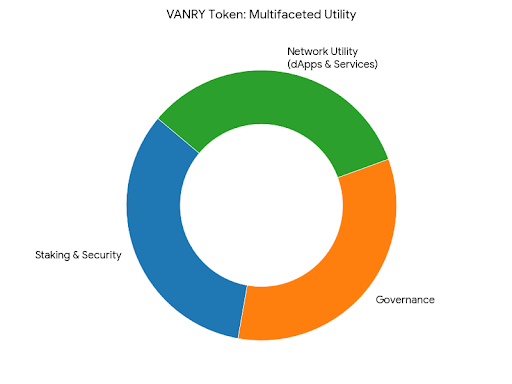
At the heart of VanarChain is the VANRY token, which serves multiple critical purposes. It powers staking, ensuring validators are incentivized to maintain network security. It also fuels governance, giving the community a voice in decisions that shape the protocol’s evolution. Beyond this, VANRY acts as the medium for network utility, enabling users to pay for services, deploy dApps, and participate in the ecosystem. This combination of roles makes VANRY more than a token it’s the lifeblood of a growing, self-sustaining ecosystem.
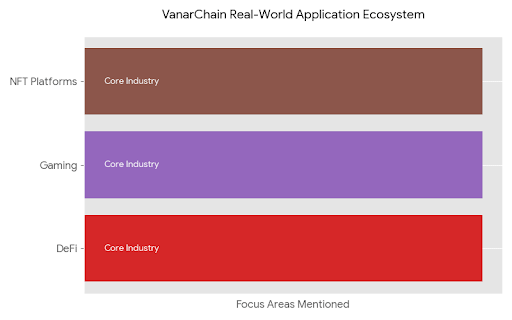
One aspect that impresses me most is VanarChain’s developer-friendly architecture. The network is designed to handle high-performance dApps without sacrificing security, which opens the door for real-world applications ranging from decentralized finance to gaming and NFT platforms. The modular design of its consensus and settlement layers allows transactions to move quickly and reliably, a feature that many blockchains struggle to deliver consistently.
VanarChain’s community governance model is another feature that sets it apart. I’ve seen firsthand how networks often become controlled by centralized teams, leaving users as spectators. With VanarChain, VANRY holders participate directly in protocol upgrades, voting on proposals that influence the network’s future. This active governance strengthens the ecosystem, encourages responsible development, and aligns the interests of users, developers, and validators.
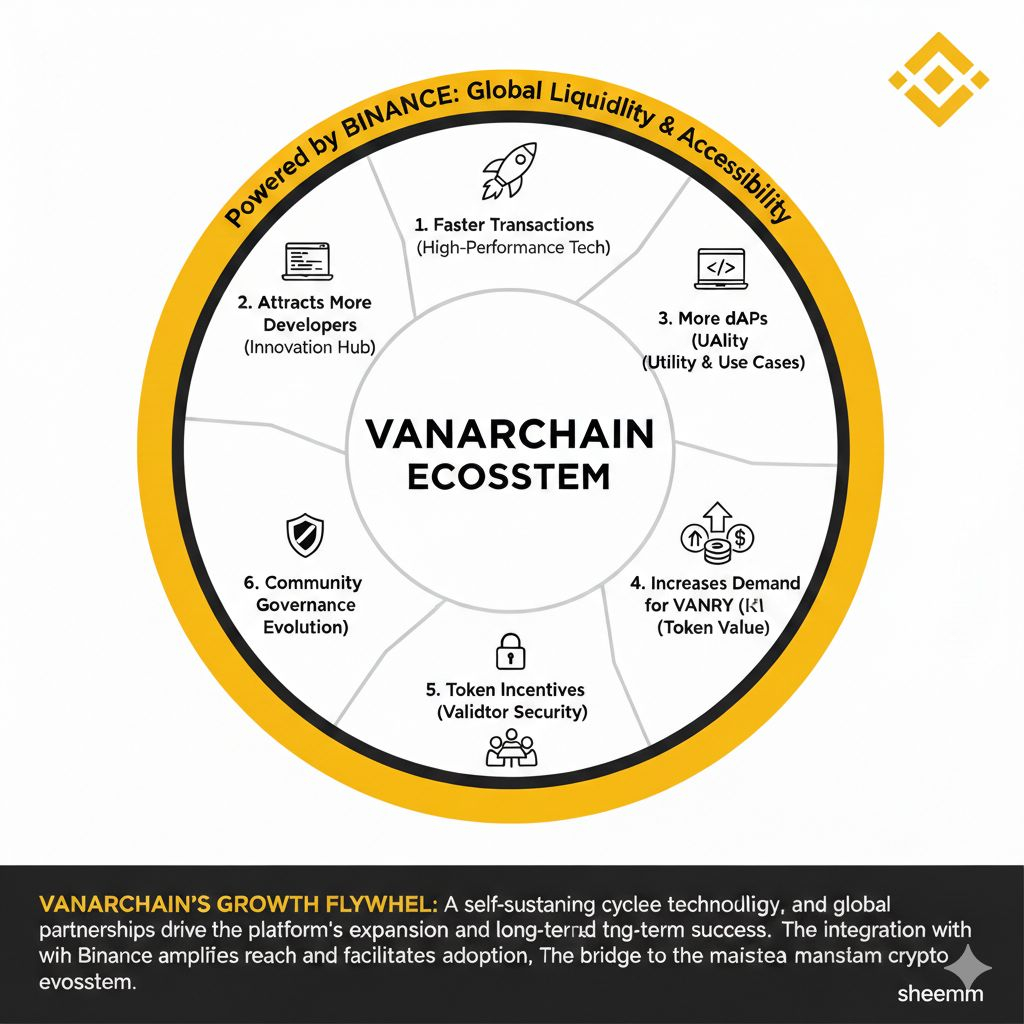
@Vanarchain The relationship with Binance amplifies VanarChain’s potential. Being listed on Binance not only increases visibility but also provides access to one of the world’s most liquid and widely used exchanges. This facilitates adoption, allows users to trade and stake $VANRY easily, and encourages more developers to experiment on the network. For me, this integration demonstrates how VanarChain isn’t just building technology it’s building a bridge between innovative blockchain infrastructure and the mainstream crypto ecosystem.
Looking at the bigger picture, VanarChain is creating a self-reinforcing growth cycle: faster transactions attract more developers, more dApps increase demand for VANRY, token incentives secure validators, and community governance ensures that the network evolves responsibly. The result is an ecosystem that’s scalable, secure, and aligned with the long-term interests of its participants.
#vanar What excites me most is the potential for real-world impact. VanarChain isn’t just a platform for speculation; it’s an infrastructure that can support decentralized finance, NFTs, supply chain applications, and more, all with the performance and security that businesses and users require. Combined with Binance’s reach and liquidity, the network is positioned to move from being a promising project to a mainstream, widely used blockchain ecosystem.
In the end, VanarChain exemplifies what I believe the next generation of blockchains should be: high-performance, community-governed, and purpose-built for real-world adoption. VANRY isn’t just a token; it’s a tool for participation, growth, and innovation. For anyone looking to explore a blockchain with both ambition and practical utility, VanarChain is a project I’m watching closely, and one that’s worth attention as adoption expands globally. #Vanar