
Over the last few months, I’ve started paying more attention to how blockchains behave on ordinary days, not just on big announcement days. Anyone can look impressive when traffic is low and users are relaxed. What matters more is how a system reacts when activity picks up, when people are impatient, and when mistakes become expensive. That’s usually where you find out if something was built with discipline or just good marketing.
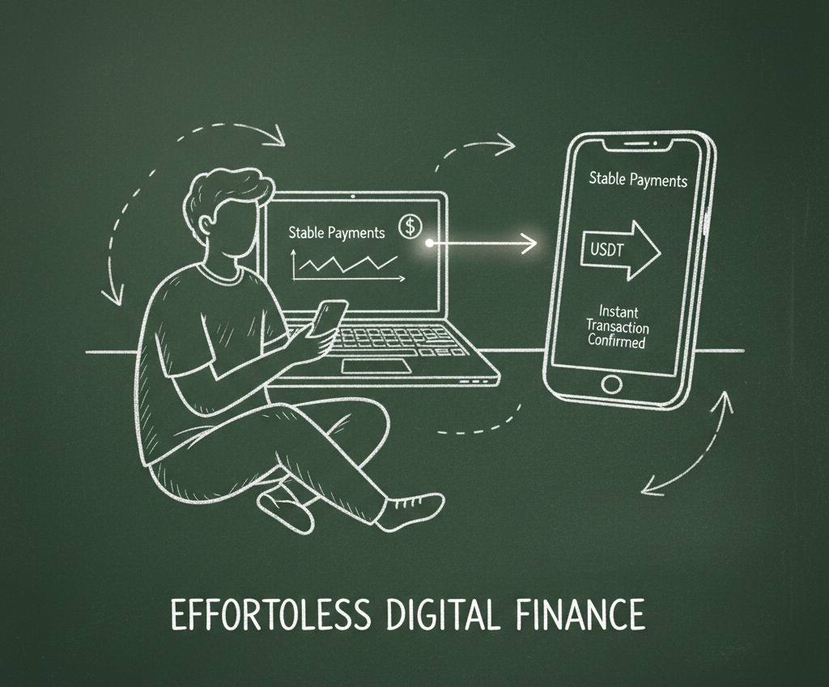
One night, I was sending a small transaction on VanarChain without any particular goal. I wasn’t trading. I wasn’t chasing a pump. I just wanted to see how the network felt under light pressure. What stood out wasn’t the fee itself. It was the clarity. I knew what was happening. I knew when it was done. I didn’t feel the need to refresh my screen five times. That kind of calm experience is rare in crypto, and it doesn’t happen by accident.
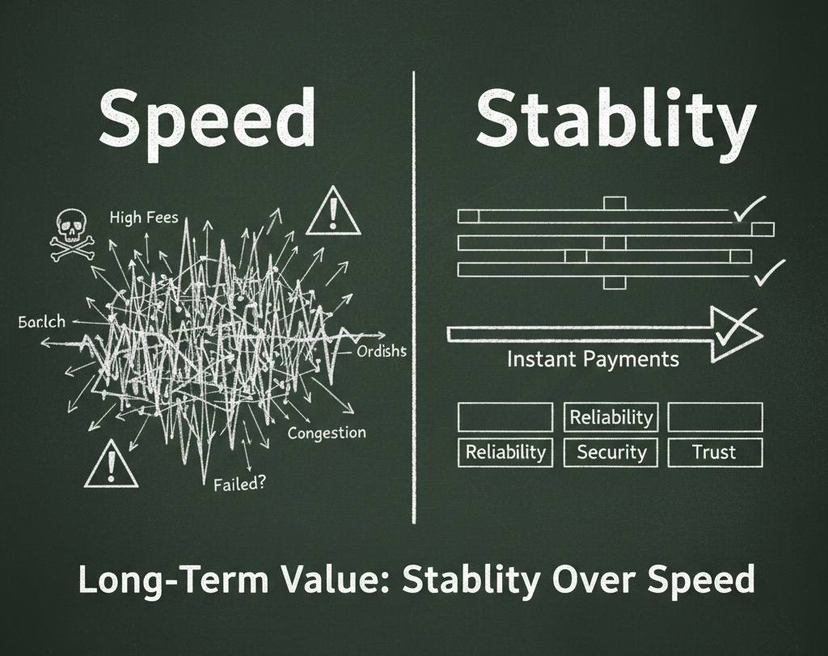
After being in this space for years, I’ve learned that “fast and cheap” is the most overused promise in the industry. Every cycle, dozens of projects repeat it. Most of them look fine until the crowd shows up. Then confirmations slow down, fees spike, interfaces break, and users panic. Speed without stability only creates faster confusion. Real speed means that when you click, you feel closure, not uncertainty.
Low fees work the same way. They’re not meaningful if they only exist when nobody is using the network. A system that is cheap today and unpredictable tomorrow isn’t really cheap. It’s stressful. People don’t mind paying small amounts. What they hate is not knowing what they’ll pay next time. When costs swing wildly, users stop trusting the platform’s rhythm, and once that trust is gone, it’s hard to rebuild.
Ease of use is where most projects quietly fail. Making something simple is harder than making it powerful. True simplicity means a new user doesn’t need a manual. They don’t need to learn strange terms. They don’t need to feel nervous about every click. They shouldn’t be scared of losing everything because they misunderstood one screen. Vanar’s direction seems focused on reducing that mental load, not just hiding it behind fancy design.
This also matters for developers. A good network doesn’t just help teams launch. It helps them survive. Reliable tools, readable documentation, clear error messages, and stable behavior under load save months of frustration. When traffic grows, builders shouldn’t be forced into emergency mode every week. Infrastructure that respects developers usually ends up respecting users too.
What I’m watching with Vanar isn’t announcements. It’s behavior. Does it stay predictable when usage grows? Do fees remain reasonable when demand rises? Does the experience stay understandable when systems are stressed? Those answers matter more than any roadmap slide.
Crypto is full of ideas. What’s rare is consistency. The ability to show up every day, improve quietly, and resist shortcuts when the market wants hype. Networks that last aren’t the ones that talk the loudest. They’re the ones that keep working when nobody is clapping.
For me, Vanar’s real test isn’t during calm periods. It’s when speed, cost, and usability are all stretched at once. That’s when discipline shows. And that’s when you find out whether something was built to impress… or built to endure.