
Ten years ago you probably took photos on a phone you no longer own.
Maybe they were from a school trip, a wedding, a cricket match with friends, or just an evening sky that looked perfect. One day you suddenly try to find that picture again, and it is gone.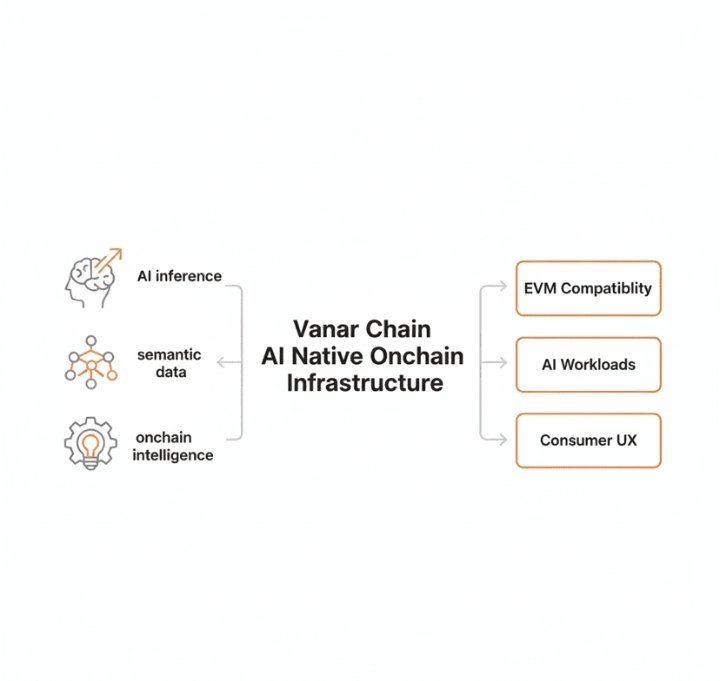
You check:
your old phone
your laptop backup
a USB drive
a cloud account you forgot the password to
Maybe you find one blurry thumbnail. The real file is missing.
This happens to almost everyone. We trust the digital world, but digital memory is fragile. Phones break, cloud companies close, hard drives fail, and accounts get locked.
Now think about a bigger question.
If our personal memories disappear so easily, how can AI, games, and digital identity survive long term on the internet?
This is exactly the real world problem Vanar Chain (VANRY) is trying to solve.
What Is Vanar Chain?
Vanar is a Layer 1 blockchain built for everyday users, not only crypto traders or developers. The team has experience in entertainment, gaming, and digital media. Their goal is simple.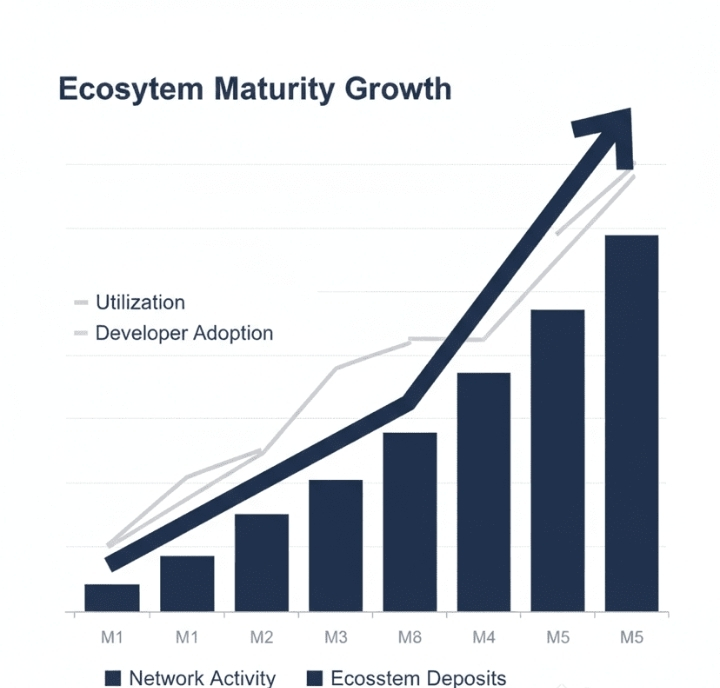
Make Web3 usable for normal people.
Instead of focusing only on finance, Vanar focuses on real industries:
gaming
digital ownership
AI applications
brands and entertainment
metaverse experiences
Two ecosystem examples are Virtua Metaverse (virtual worlds and ownership) and VGN (a gaming network). The VANRY token powers activity on the network.
But the most important idea behind Vanar is not a game or a metaverse.
It is memory.
The Big Problem, AI Has No Memory
Today’s AI assistants feel smart. You can ask questions, write emails, or generate images. But they all share a serious limitation.
They forget everything.
This is called stateless AI.
Stateless means:
the AI does not truly remember you
every conversation starts from zero
it cannot build a long term relationship
For example, you tell an AI:
“I am a graphic designer. I prefer dark themes. I work at night.”
Tomorrow you open a new chat. The AI does not know you anymore.
This is not a small issue. It is one of the biggest barriers preventing AI from becoming a true personal assistant.
A real assistant should:
know your preferences
remember your habits
learn over time
act independently
Current AI systems cannot safely store long term personal memory.
Why?
Because normal databases are centralized and risky.
Why Normal Storage Cannot Be Trusted
If AI stores your data in a company server:
the company controls it
the account can be banned
the server can shut down
data can be changed
We already see this with deleted social media accounts, lost game items, and removed digital purchases.
For AI agents to live for years, they need permanent and tamper resistant memory.
This is where Vanar introduces its main idea.
AI Memory Infrastructure
Vanar provides blockchain based persistent memory for AI.
Instead of storing knowledge in a private server, the AI can store memory on chain. This creates:
permanence
ownership
verifiable history
continuity over time
Now an AI assistant could actually remember you across months or years.
Why AI Needs Persistent Memory
Imagine a future personal AI assistant that:
manages your calendar
handles emails
learns your work style
helps you study
negotiates subscriptions
Without memory it is only a tool.
With memory it becomes a digital companion.
Persistent memory allows:
long term learning
personalization
independent decisions
trust
A stateless AI is like meeting a stranger every day.
A memory enabled AI is like working with a colleague for years.
Vanar’s infrastructure tries to turn AI from session based into lifetime based.
Neutron API, Connecting AI to Blockchain
Most blockchains are difficult for AI systems to use. Smart contracts require complex coding and wallet interaction.
Vanar introduces Neutron API.
Think of Neutron as a bridge. It allows AI agents to read and write blockchain memory easily.
Through this system an AI can:
store learned information
update user preferences
verify ownership
interact with digital assets
The important part is automation.
Humans do not need to manually approve every action. AI agents can operate programmatically while still keeping transparency and proof.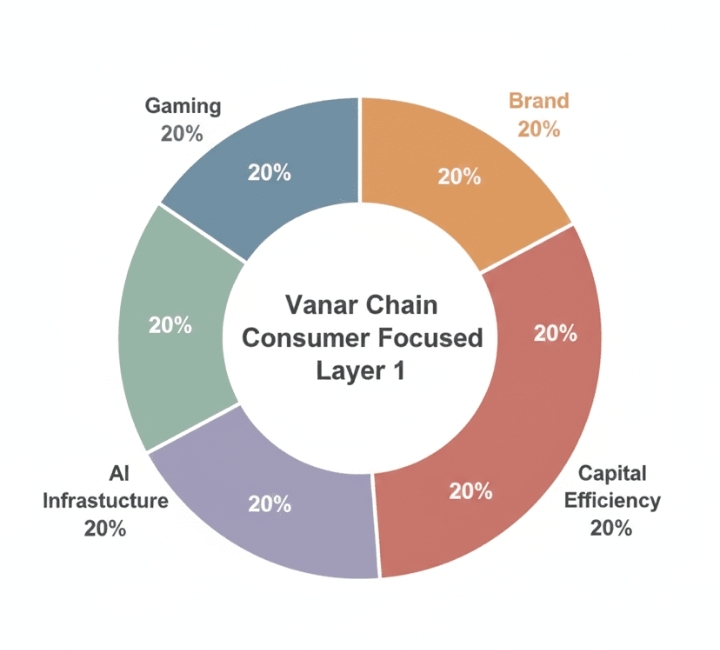
Usage Burn Model, Why Activity Matters
Vanar uses a usage burn system.
Instead of focusing on speculation, the network links token consumption to real activity.
When applications use the network, for example:
data storage
AI memory updates
agent interactions
digital ownership records
Tokens are used and part of them are burned.
So network demand comes from actual use, not only trading.
This design encourages building real products. AI tools, games, and identity systems must run on chain.
Real World Use Cases
1. AI Personal Assistants
An AI could remember:
your work habits
favorite apps
writing style
daily routines
You would not train it again every week. It grows with you.
2. Gaming Characters That Remember You
Imagine a game character that:
remembers your past choices
changes story based on your history
recognizes you years later
Your relationship with the game becomes persistent. This is especially relevant for networks like VGN.
3. Long Term AI Agents
Future businesses may deploy AI agents that:
manage customer support
track supply chains
handle subscriptions
These agents need permanent knowledge storage. Vanar allows agents to operate continuously instead of resetting.
4. Digital Identity
Instead of logging into many websites, your identity could exist on chain:
achievements
credentials
reputation
learning records
You would own your history instead of platforms owning it.
Why This Matters Beyond Crypto
The internet is evolving.
Web1, reading information.
Web2, creating content.
Next phase, autonomous software, meaning AI agents.
But autonomous software cannot exist without memory.
Vanar focuses on the missing layer between AI and long term identity, persistent verifiable memory.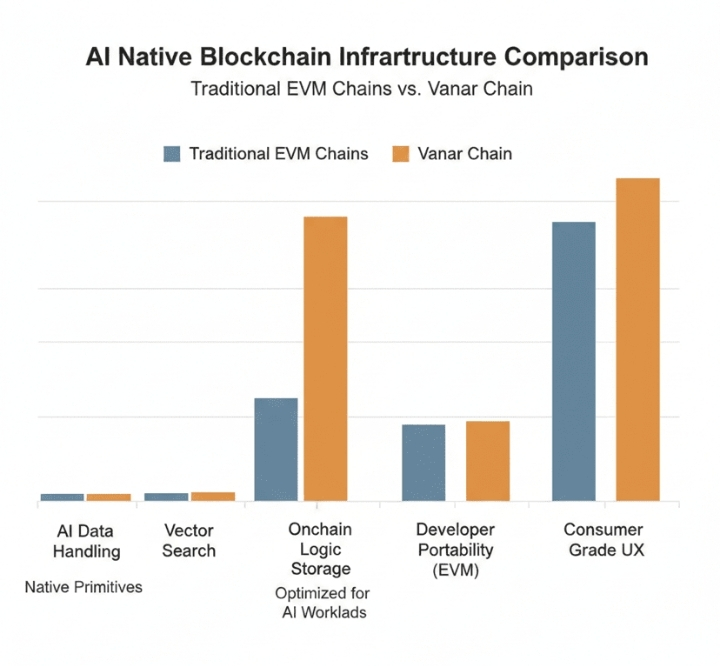
It is not about replacing AI. It is about enabling AI to function continuously.
Conclusion
Losing an old photo hurts because memory is meaningful.
Today’s AI is powerful but forgetful. It helps us for minutes, not for life.
Vanar Chain proposes a different direction, a blockchain designed not only for money or tokens, but for memory that AI, games, and digital identity can rely on.
If AI is going to live alongside humans, it must remember humans.
And memory, once digital and permanent, becomes infrastructure, not just storage.